European Protests Highlight Education and Economic Growth Challenges
European protests highlight significant public concern regarding the state of education and its impact on economic growth. These demonstrations reflect a widespread demand for systemic reforms within the continent's learning institutions.
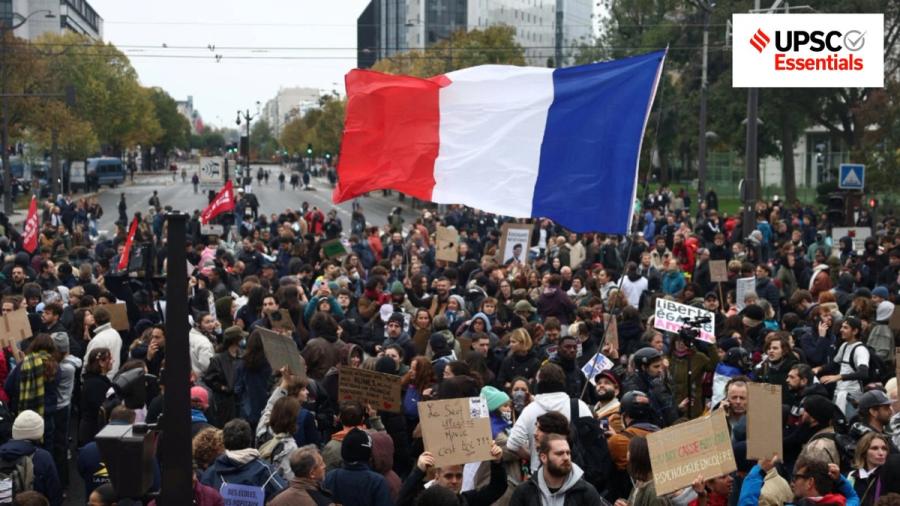
Widespread student and public demonstrations across various European nations are signaling a profound disquiet regarding the current state of education and its tangible link to future economic growth. These protests are not isolated incidents but rather part of a broader, continent-spanning movement demanding fundamental systemic reforms within established learning institutions, from primary schools to universities. The core contention revolves around whether existing educational models are adequately preparing youth for the demands of a rapidly evolving global and digital economy.
The background context reveals a tension between traditional, often state-controlled, educational structures and the urgent need for skills alignment in sectors like technology, green energy, and advanced manufacturing. Many participating students and educators point to curriculum rigidity, outdated pedagogical methods, and insufficient investment in vocational and critical thinking skills as major impediments to national competitiveness. This concern is amplified by reports indicating skills mismatches in key European labour markets, where graduates often lack the practical competencies employers require.
The impact of these sustained protests is twofold: immediate political pressure on governments to review educational funding and policy, and a long-term challenge to the social contract. If education fails to deliver equitable opportunities and relevant skills, it risks exacerbating social inequalities, thereby undermining the very social cohesion and stable growth that European economies have historically relied upon.
These demonstrations are, therefore, less about opposing education and more about demanding an agile, future-proof system—one that prioritizes adaptability, practical application, and equitable access, ensuring that the next generation can drive sustainable economic progress rather than merely maintain the status quo.
Also Read

बिहार MLC चुनाव 2026: प्रशांत किशोर का प्रदर्शन; महाराष्ट्र में महायुति 3 स्थानों पर आगे
बिहार में प्रशांत किशोर का प्रभाव दिख रहा है, जबकि महाराष्ट्र में महायुति 3 सीटों पर और MVA 2 सीटों पर आगे है। पुणे और अमरावती सहित विभिन्न स्थानों पर एमएलसी चुनाव परिणाम की मतगणना जारी है।
The sustained nature of these European demonstrations underscores a fundamental disconnect between current educational structures and the demands of a rapidly evolving global economy. The concerns voiced by students and educators are not merely about curriculum updates but about the perceived failure of existing systems to equip the next generation with the critical thinking, vocational skills, and adaptability required for modern employment landscapes. This signals a broader societal anxiety that educational investment is not translating into sustainable, equitable economic growth across member states.
The potential impact of these movements extends beyond immediate policy adjustments. If systemic reforms are not addressed, the risk is a widening skills gap, leading to increased youth unemployment and diminished national productivity, thereby stalling long-term economic potential. Conversely, successful, collaborative reforms—involving government, industry, and academia—could foster a more agile, innovation-driven workforce, bolstering competitiveness in international markets and addressing demographic challenges common across Europe.
What to watch next involves the legislative responses from national and supranational bodies. Close attention must be paid to proposed funding allocations for vocational training versus traditional academic tracks, as well as any concrete policy shifts regarding higher education accessibility and affordability. The dialogue between labor unions, industry bodies, and educational ministries will be a crucial barometer of whether these protests will catalyze meaningful, lasting structural change or remain episodic expressions of discontent.