Swara Bhasker criticizes influencers on Rise and Fall 2
Swara Bhasker criticized influencers during the 'Rise & Fall 2' show, stating she ruined her career by taking a stand. Her remarks drew attention to the pressures faced by public figures.
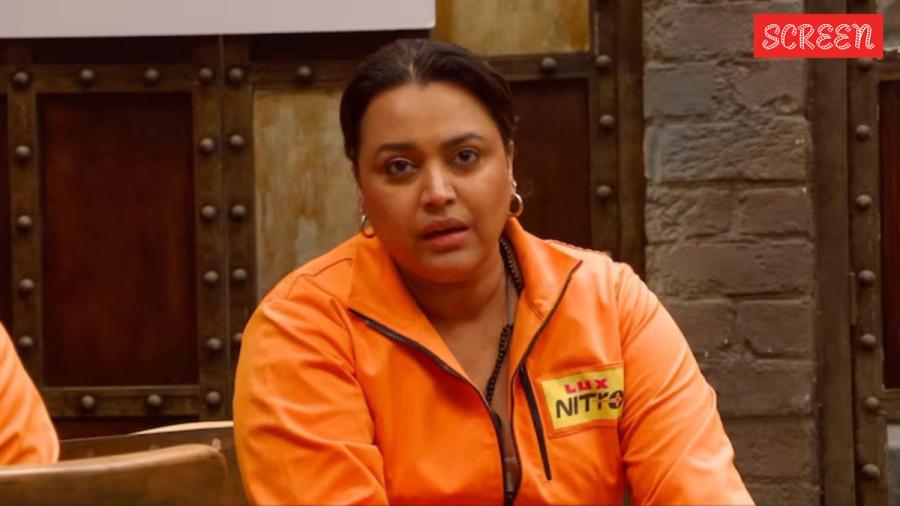
During a recent appearance on the reality show Rise & Fall 2, actress Swara Bhasker voiced sharp criticism towards the influencer culture, making a poignant statement that she had effectively "ruined her career by taking a stand." This comment resonated widely, drawing attention not just to the dynamics of celebrity life but also to the immense pressures public figures navigate when choosing to speak out on social or political issues.
The context of her remarks stems from a broader societal conversation regarding authenticity versus commercial viability in the digital age. Influencers, often lauded for their curated success, operate within an ecosystem where maintaining a palatable, non-controversial image is frequently prioritized over genuine advocacy or taking principled stances. Bhasker’s statement serves as a stark counterpoint to this commercial imperative, suggesting that integrity can come at a professional cost.
Bhasker’s career trajectory, marked by roles in mainstream cinema and her visible advocacy for social causes, provides a personal backdrop to her critique. Unlike many digital personalities whose visibility is intrinsically tied to marketability, her career has involved navigating critical public discourse. The impact of her comments lies in challenging the notion that career success necessitates silence on important matters, prompting a necessary dialogue about the boundaries between personal conviction and professional survival in modern Indian media.
Also Read
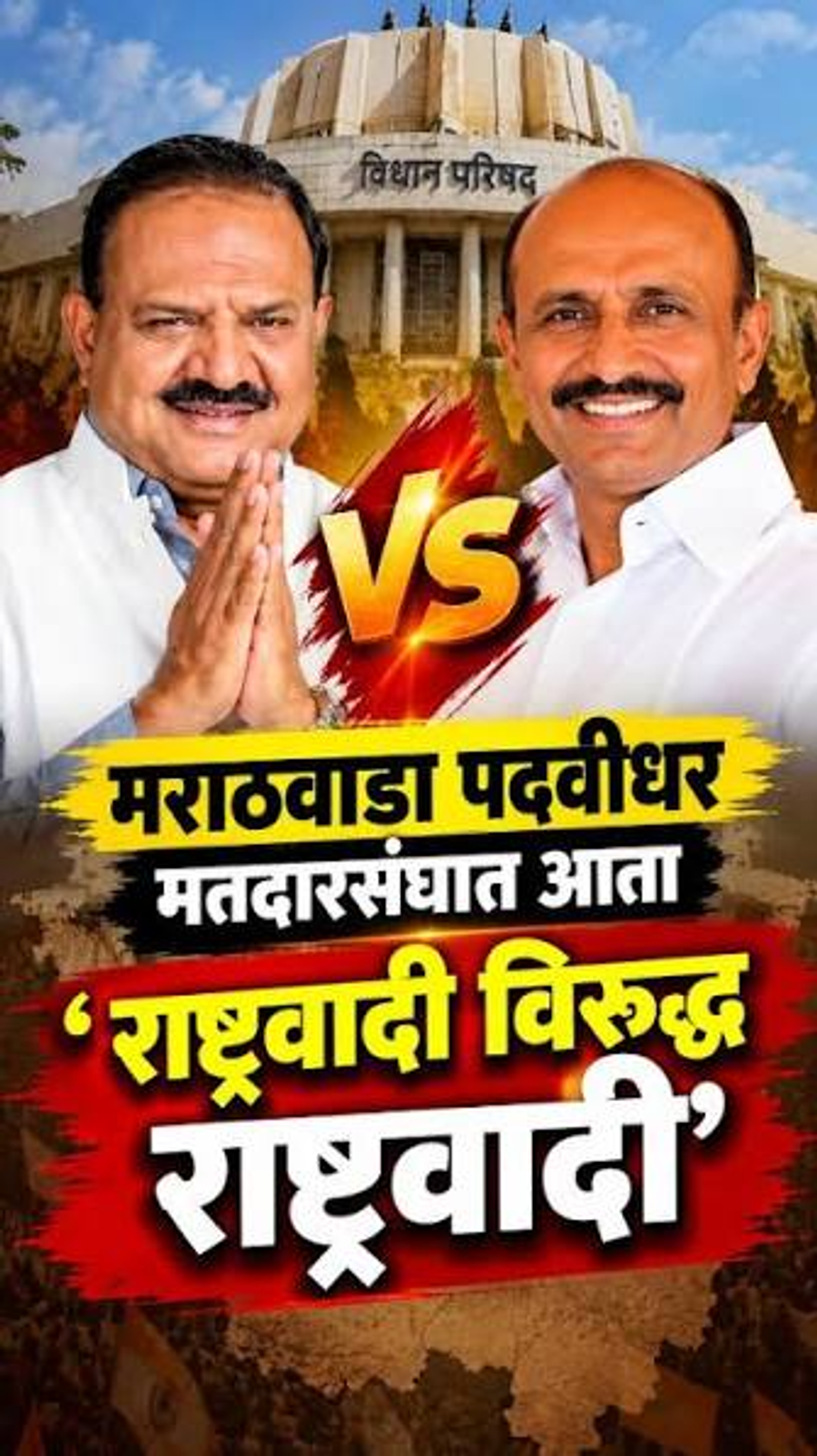
छत्रपती संभाजीनगरमध्ये प्रतापसिंह पाटील आघाडीवर, सतीश चव्हाण पिछाडीवर
छत्रपती संभाजीनगर पदवीधर मतदारसंघात ३५ हजार मतांची मोजणी पूर्ण झाली आहे. प्रतापसिंह पाटील यांनी सुमारे ४ हजार मतांची आघाडी घेत विजयाची शक्यता वर्तवली जात आहे.
The commentary by Swara Bhasker underscores a growing tension between public expression and career sustainability within the digital sphere. Her statement highlights the precarious nature of modern celebrity, where perceived misalignment with commercial interests can lead to professional repercussions. This incident brings into sharper focus the often-unspoken contract between public figures and their audience, particularly when that audience is heavily influenced by curated online personas. The pressure to maintain a marketable image often conflicts with the imperative to advocate for personal or social convictions.
The possible impact of such public discourse is a necessary recalibration of expectations across the influencer ecosystem. It prompts a broader conversation about authenticity versus commercial viability. For younger creators entering the industry, this serves as a cautionary note regarding the long-term costs of public stances. Conversely, it also validates the importance of moral courage, suggesting that genuine advocacy, even if initially costly, can redefine a public narrative rather than simply erase it.
Moving forward, the focus should remain on how the industry adapts to this pushback. We need to observe whether platforms and brands begin to offer more nuanced partnerships that respect an individual's values, rather than demanding complete ideological conformity. Furthermore, the audience reaction itself—whether it supports the right to principled dissent or demands conformity—will define the next chapter of digital celebrity culture in India. Continued monitoring of industry responses to this commentary will reveal the true trajectory of modern public life.