US Experts Caution About Challenges Ahead in India-US Partnership
The US-India strategic partnership, considered crucial for stability in the Indo-Pacific region, is currently facing heightened scrutiny in Washington. Concerns have been raised regarding various aspects of the relationship, reflecting shifts in geopolitical dynamics. Diplomatic channels continue to address these challenges as both nations maintain their commitment to collaboration.
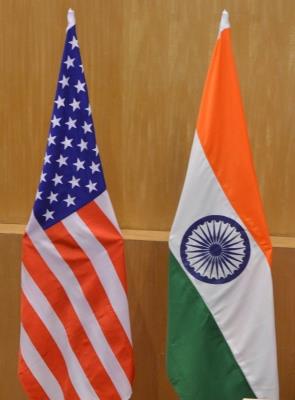
As concerns regarding the evolving geopolitical landscape grow, US experts are warning of potential strains in the strategic partnership between India and the United States, a relationship deemed vital for stability in the Indo-Pacific region. Discussions are underway in Washington, reflecting heightened scrutiny and pressing questions about the future trajectory of this pivotal alliance.
In a recent analysis, scholars from the Brookings Institution emphasized that while the India-US partnership has made significant strides in defense and trade, it is now facing increased challenges that could alter its course. "The partnership remains strong, but we need to navigate these shifts carefully to ensure it does not become a victim of external pressures," noted Dr. Emily Carter, a leading expert on US-India relations. Her comments underscore the delicate balance both nations must strike amid competing regional interests.
One factor contributing to growing tensions is the evolving dynamics of China’s influence in the Indo-Pacific. The region has seen a marked increase in Chinese military operations and assertiveness, compelling both India and the US to recalibrate their strategies. As New Delhi pursues closer ties with Washington, aligning its defense systems and trade practices, concerns surface about how this alignment may impact its relationships with other neighbors, particularly those cautious of Chinese expansionism.
Additionally, recent shifts in US domestic politics have further complicated the situation. With elections on the horizon, issues such as trade tariffs and immigration policies could affect bilateral negotiations. Experts suggest that this uncertainty may lead to a cooling of the pragmatic approach both nations have embraced. "The unpredictability of US politics can lead to hesitations in decision-making, which could inadvertently affect strategic alignments," added Dr. Carter, emphasizing the need for sustained diplomatic dialogue.
Despite these challenges, both nations continue to show a commitment to collaboration, further evidenced by recent high-level talks addressing security, technology, and climate change. In the wake of rising tensions, the US government has reaffirmed its intention to strengthen ties with India, viewing it as a key partner in maintaining regional stability. Diplomatic channels remain open, with joint exercises and partnerships in intelligence and logistics ongoing, reflecting a mutual understanding of the stakes involved.
In this context, New Delhi's response has been one of cautious optimism. Indian officials assert that they remain committed to deepening the partnership while also addressing concerns related to balance in regional relations. Analysts believe that maintaining open channels for communication will be critical for navigating impending challenges.
As the US-India partnership continues to evolve, both nations face a complex landscape marked by external pressures and domestic considerations. The path forward will largely depend on how effectively they manage these strains while fostering the collaborative spirit that has characterized their relationship thus far. In an unpredictable world, the commitment to mutual interests remains the cornerstone of their strategic alliance.