MP High Court quashes FIR against student over protest citing career concerns
The MP High Court quashed an FIR against a student involved in a protest, ruling that the charges should not jeopardize his career. This decision upholds the right to peaceful protest while protecting the individual's future.

The Madhya Pradesh High Court has quashed an First Information Report (FIR) registered against a student who participated in a recent protest, issuing a directive that the legal proceedings should not compromise his academic or professional future. This significant judicial intervention underscores the court's emphasis on balancing the right to peaceful assembly with the protection of an individual's life and career trajectory, particularly for students.
The FIR was lodged following the student’s involvement in a demonstration, an action rooted in voicing concerns over specific local or policy issues, though the precise details of the protest remain within the scope of the court's review. Such cases often highlight the tension between law enforcement action against dissent and the constitutional guarantees of free speech and assembly enshrined in the Indian Constitution.
Background context reveals that instances of FIR registration against student protestors frequently lead to prolonged legal battles, often resulting in academic disruption, reputational damage, and career impediments long after the protest has concluded. The High Court's ruling effectively preempts this potential long-term damage, recognizing that the act of protesting, when peaceful, should not be permanently penalized through criminal records.
This decision serves as a crucial precedent within the state, reinforcing the principle that the right to dissent is protected, provided it remains non-violent. It sends a clear message to authorities and the public that the judiciary prioritizes the future of young citizens over punitive measures stemming from legitimate expressions of public concern.
Also Read
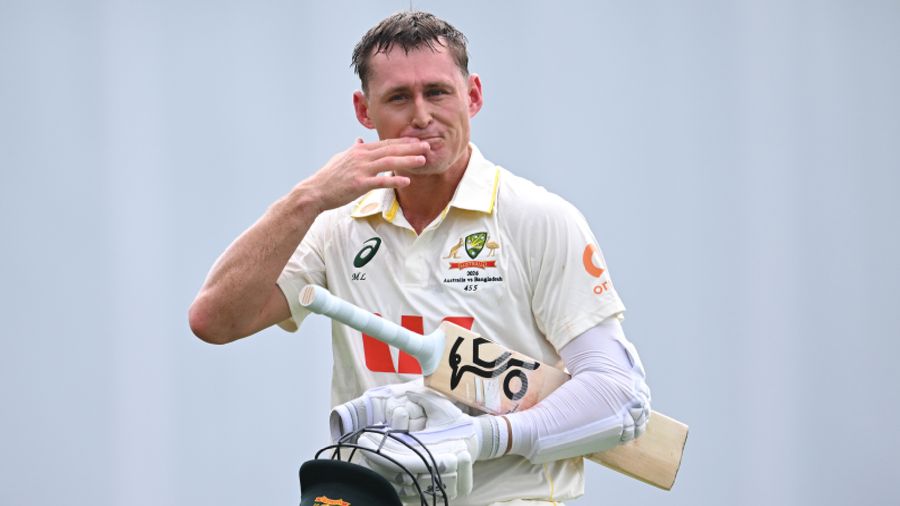
Chappell suggests methods for Labuschagne to improve batting form
Chappell suggests Labuschagne can turn around his batting form by adopting a more crab-like stance at the crease. This analysis offers insight into potential technical adjustments for the Australian cricketer.
The High Court's intervention sends a clear judicial signal regarding the boundaries of protest and personal liberty in the context of student activism. This ruling reinforces the constitutional protection afforded to peaceful assembly, emphasizing that the right to dissent, even when subject to legal scrutiny, should not automatically translate into a career-ending stigma. The significance lies in setting a precedent that prioritizes the developmental and future prospects of young citizens over punitive action stemming from participation in public discourse.
The possible impact of this judgment extends beyond the individual student. It serves as a crucial safeguard against the misuse of criminal proceedings to silence or intimidate students engaging in legitimate advocacy. For educational institutions and civil society groups, this decision provides a legal anchor, encouraging participation in civic life without the pervasive fear of unwarranted legal repercussions that can stifle constructive dialogue. It underscores the judiciary's role in balancing public order concerns with fundamental rights.
Moving forward, observers will be watching how this precedent is interpreted in similar cases across Madhya Pradesh and other states. Attention must remain on the implementation phase—whether the administrative and educational bodies adhere strictly to the court's directive to prevent career jeopardy, or if informal pressures persist. Furthermore, the ongoing dialogue around protest regulations, ensuring they are proportionate and not overly restrictive, remains a key area for continued monitoring by legal and human rights watchdogs.