Rohit Sharma scores duck in Auckland ODI against New Zealand
Rohit Sharma registered a duck in his first ODI against New Zealand in Auckland. This marks the first time the Indian captain has been dismissed for zero runs in three years.
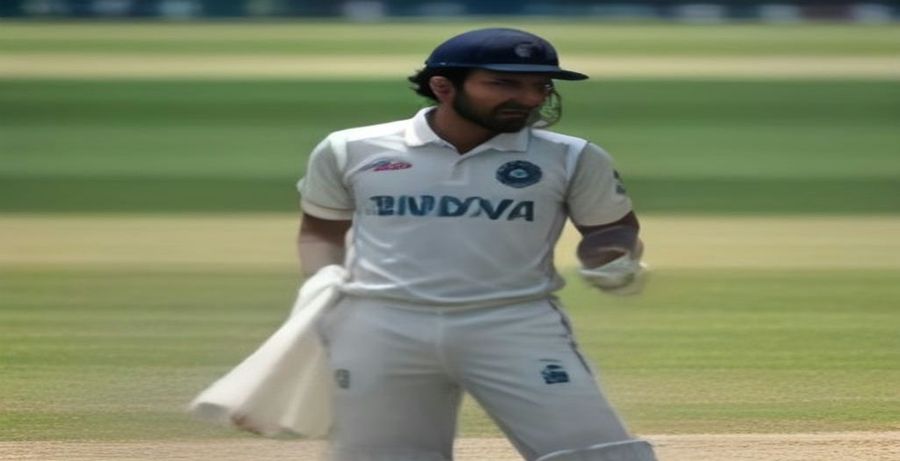
Rohit Sharma registered a duck in his first One Day International against New Zealand in Auckland, marking the first time the Indian captain has been dismissed for zero runs in the last three years. The match, part of the bilateral series, saw Sharma unable to convert his start into any significant score against the disciplined New Zealand bowling attack. This dismissal comes at a time when the Indian team is looking to build momentum in the series, following mixed results in recent outings.
The context of this innings is significant, not just for Sharma personally, but for the Indian batting line-up as a whole. Over the past few years, Sharma has been a cornerstone of the Indian ODI batting unit, known for his aggressive yet controlled accumulation of runs in the limited-overs format. His recent form has been crucial in anchoring innings and setting competitive totals. Therefore, a duck in a high-stakes international fixture draws considerable attention from both fans and analysts.
New Zealand, known for their sturdy fielding and disciplined bowling strategies in ODIs, capitalized on the opportunity presented by Sharma's early dismissal. The series has been closely contested, with both sides vying for dominance in the regional cricket landscape. The impact of this single innings extends beyond the scorebook; it places immediate pressure on the Indian middle order to stabilize the innings and prevent a premature collapse, a challenge they must address in subsequent fixtures of the tour.
Also Read

घरी व्यायाम करताना या चुका टाळा, गंभीर दुखापतीचा धोका कमी करा
घरी व्यायाम करताना होणाऱ्या सामान्य चुकांमुळे दुखापत होण्याची शक्यता असते. सुरक्षित वर्कआउटसाठी कोणत्या चुका टाळाव्या आणि व्यायाम कसा करावा, यावर माहिती देण्यात आली आहे.
The significance of this particular dismissal extends beyond the single score in a single match; it reflects a momentary lapse in form for a player of Rohit Sharma's stature, particularly during a crucial series against New Zealand. His recent run of consistent performance in ODIs, which had been a hallmark of his captaincy and batting prowess, has seen a brief interruption. This event serves as a small data point in a larger, ongoing narrative of Indian cricket, where the performance of key senior players under pressure is closely scrutinized by the cricketing fraternity and the nation.
The possible impact of this single duck on the broader team dynamic is likely minimal in the long term. Cricket is a sport of sustained performance, not isolated incidents. The focus for the Indian team will remain on the collective effort, the strategy deployed against the New Zealand bowling attack, and how the middle and lower order respond to the early loss. Any short-term tactical adjustments made by the coaching staff in response to this early wicket will be more telling than the score itself.
Moving forward, observers will be watching how Rohit Sharma recovers his rhythm in the subsequent matches of the series. The key indicators to monitor are not just his next score, but his approach to the pitch—whether he adapts his stroke play against the specific conditions and bowling variations presented by the New Zealand side in Auckland. Furthermore, the team's overall batting consolidation in the middle overs will determine the series trajectory, irrespective of this initial opening performance. Continued focus on sustained run-scoring and tactical maturity will define his immediate future in this series.