Rahul Gandhi Opposes PM Modi and Amit Shah in Selection of CIC and Panel Heads
Congress leader Rahul Gandhi submitted a formal note of dissent during a high-level meeting with Prime Minister Narendra Modi and Union Home Minister Amit Shah. The meeting aimed to finalize discussions on various national issues. Gandhi's dissent highlights differing opinions within India's political landscape. The specifics of his concerns were
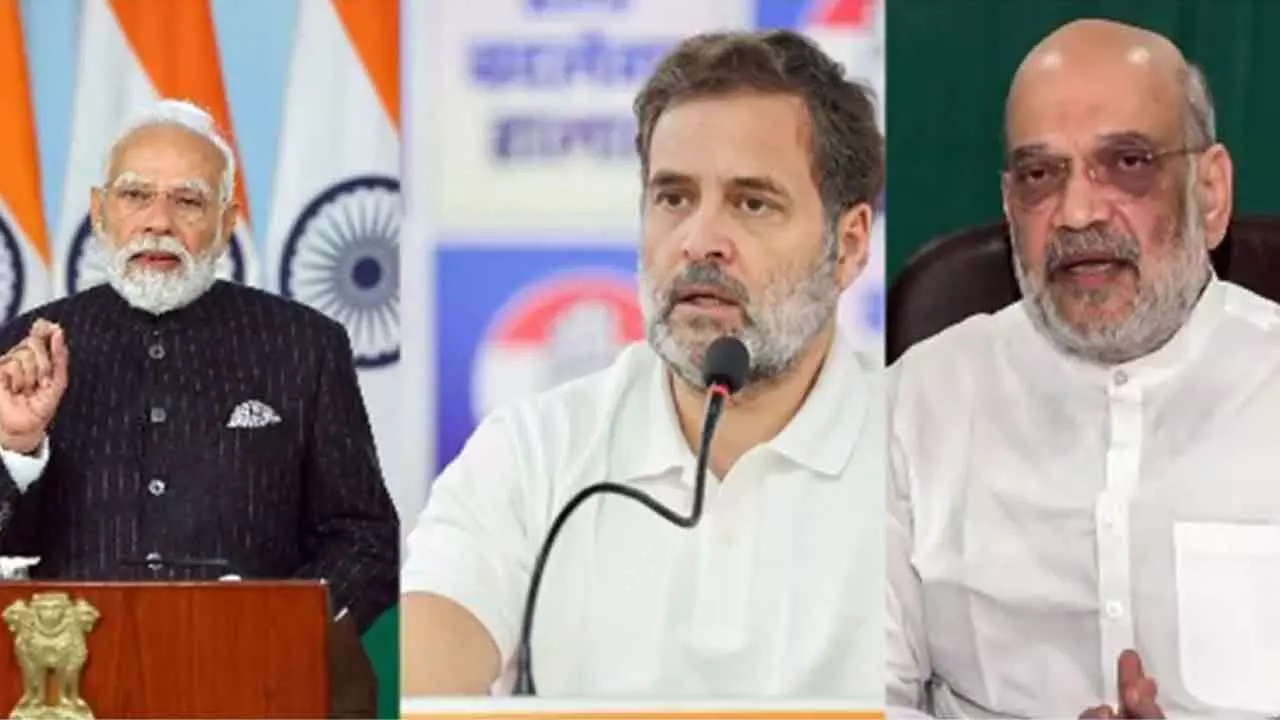
In a significant display of political dissent, Congress leader Rahul Gandhi has formally raised objections during a high-level meeting with Prime Minister Narendra Modi and Union Home Minister Amit Shah in New Delhi. The meeting, which was convened to discuss various national issues, has become a focal point of contention, reflecting the growing divide between the ruling party and the opposition.
Gandhi's note of dissent comes as discussions centered on the selection of the Chief Information Commissioner (CIC) and other panel chiefs, a topic that has gained prominence amid ongoing debates about transparency and governance in India. Sources indicate that Gandhi expressed concerns over the government's approach to appointing key officials, emphasizing the need for impartiality and accountability in such appointments.
"The selection process should not merely serve political interests," Gandhi stated during the meeting. "It is essential for the credibility of our institutions that these positions are filled transparently and with merit in mind." His remarks were aimed at ensuring that any selection process genuinely reflects the democratic ethos of the nation and is not clouded by partisan politics.
Participants at the meeting noted that Gandhi's dissent underscores a broader concern about the functioning of institutions in India. The Congress leader's stance is indicative of his party's criticism towards what they perceive as an effort by the ruling Bharatiya Janata Party (BJP) to consolidate power at the expense of democratic processes. Many observers believe that such dissent could further fracture relations between the Congress party and the BJP, which has already faced scrutiny from various quarters regarding its governance style.
The debate surrounding the appointment of the CIC is particularly pertinent, as this office has the pivotal role of ensuring transparency in government dealings. Critics of the current administration argue that the selection process must be insulated from political influence to maintain public trust. In that context, Gandhi's intervention is seen as an attempt to advocate for institutional reform within a framework that respects democratic values.
Political analysts view this episode as yet another chapter in the ongoing narrative of confrontation between the BJP and Congress, especially in the lead-up to upcoming elections. The significance of Gandhi's dissent may resonate beyond this single meeting, potentially galvanizing support for greater scrutiny of government actions among the electorate.
As the meeting concluded, both the Prime Minister and Home Minister reportedly committed to considering Gandhi's remarks, though no immediate resolution was reached. The tension surrounding this discussion is a reminder of the broader ideological battle playing out across the nation, as parties grapple with questions of governance, power dynamics, and the future of democratic institutions.
In an evolving political landscape, Rahul Gandhi's dissent in New Delhi stands as both a challenge to the current government's practices and a call to action for stakeholders who prioritize the health of Indian democracy.