"Lok Sabha's Health Security Cess Bill: Will Increased Taxes on Pan Masala and Tobacco Lower Consumption?"
The Lok Sabha has introduced the Health Security Cess Bill, aimed at increasing taxes on pan masala and tobacco products. The primary objective of this legislation is to assess whether a higher cess can effectively reduce consumption of these items. Lawmakers believe that by making these products more expensive, they
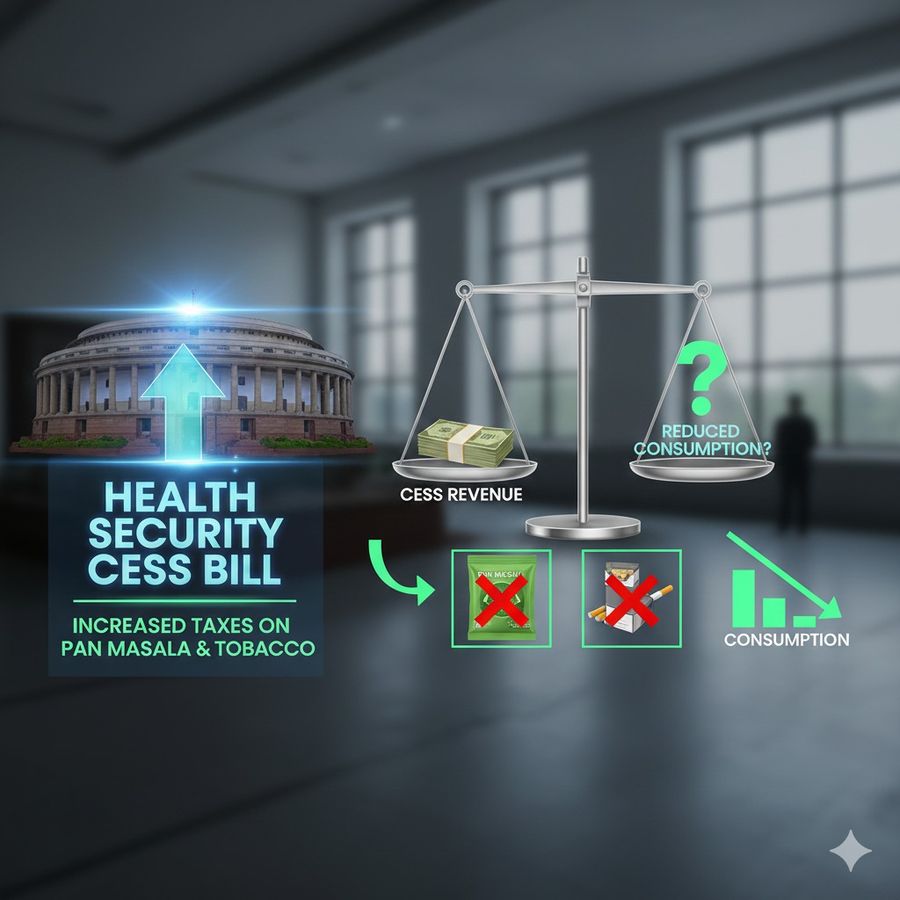
**Lok Sabha ‘Health Security Cess Bill’: Can Higher Taxes On Pan Masala And Tobacco Reduce Consumption?**
In a move aimed at bolstering public health, the Lok Sabha recently introduced the Health Security Cess Bill, which proposes an increase in taxes on pan masala and tobacco products. The bill reflects the Indian government’s commitment to curbing the rampant use of these substances that have long been linked to severe health issues, including cancer, cardiovascular diseases, and respiratory ailments.
One of the principal objectives of the bill is to evaluate the effectiveness of higher taxes in reducing the consumption of pan masala and tobacco. With the rising burden of diseases caused by these products, lawmakers believe that making them more expensive could deter users, especially the youth, from purchasing them. Previous studies have shown that higher prices can significantly influence consumer behavior, particularly among price-sensitive populations.
Tobacco use remains a pressing public health challenge in India. According to the Global Adult Tobacco Survey, nearly 275 million adults in the country consume tobacco in various forms, including cigarettes, bidis, and smokeless products like gutka and pan masala. The increase in taxes aligns with recommendations from various health organizations, including the World Health Organization (WHO), which advocates for excise tax increases as a proven strategy to reduce tobacco use.
The proposed cess aims not only to deter consumption but also to funnel the additional revenue generated towards enhancing healthcare infrastructure. The government has promised that the revenues collected will be allocated to public health initiatives, thus creating a dual benefit—reducing consumption while simultaneously bolstering the health sector.
However, critics of the bill warn that mere taxation may not be enough. Experts argue that alongside higher taxes, there should be comprehensive awareness campaigns to educate the public about the harmful effects of tobacco and pan masala. Such campaigns, complemented by the tax hikes, could magnify the impact on consumption reduction. Additionally, accessibility to cessation programs and support for individuals trying to quit could further enhance the effectiveness of these reforms.
Public reactions have shown a mix of support and skepticism. Many health advocates have lauded the initiative as a step in the right direction, emphasizing the need for stronger regulations. “Higher taxes can lead to a significant reduction in consumption. However, it is imperative for the government to back this with sustained awareness and support initiatives,” stated Dr. Anjali Rao, a public health advocate.
On the other hand, concerns about potential economic ramifications have surfaced, particularly among small businesses that rely on the sale of these products. Vendors argue that higher prices may drive consumers to the black market, potentially undermining legal sales and tax revenues. The government must address these concerns through robust enforcement against illegal trade and by ensuring that legal vendors are not unduly burdened.
As the bill progresses through the legislative process, consultations with various stakeholders—including health professionals, public health advocates, and industry representatives—will be crucial. Striking a balance between public health goals and economic realities will determine the success of the Health Security Cess Bill.
In conclusion, while the Lok Sabha’s introduction of the Health Security Cess Bill marks a significant step towards reducing tobacco and pan masala consumption, its success will hinge on comprehensive implementation strategies. Policymakers will need to adopt a multifaceted approach that goes beyond tax increases to include education, support systems, and stringent enforcement to truly protect public health in India.