Escalation of the Iran–Israel War: Current State of the Conflict
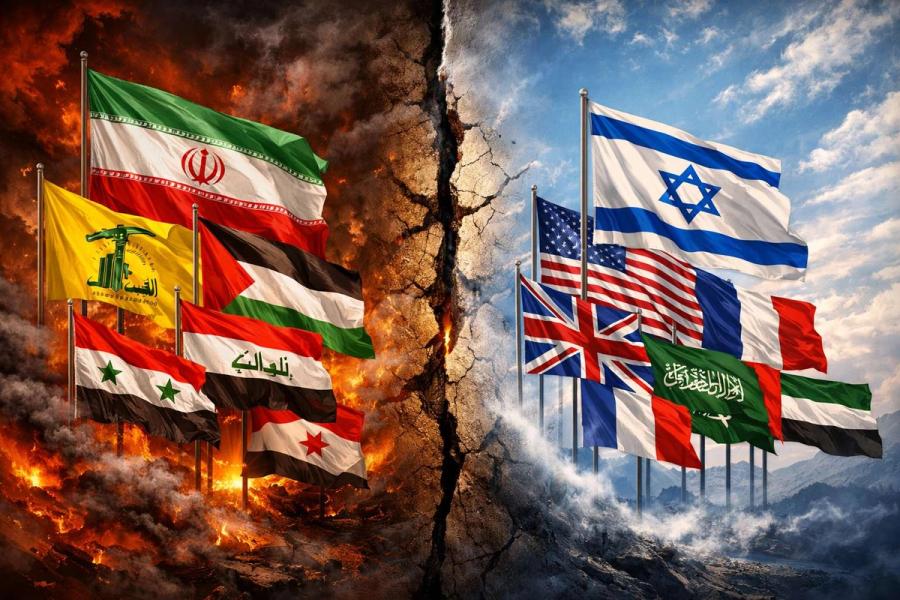
The war between Iran and the U.S.–Israel alliance has entered its fifth day, marking one of the most intense military confrontations in the Middle East in decades.
1. Massive Air Campaign and Ground Impact
The conflict began when Israeli and U.S. forces launched coordinated strikes against key Iranian targets, including military infrastructure and strategic command centres across multiple cities. The campaign has involved thousands of munitions, overwhelming Iranian air defences and targeting ballistic missile stocks and launch facilities.
High Casualties and Widespread Destruction
- Iran has reported hundreds of fatalities and significant destruction in urban areas, including Tehran and regional towns, with a mounting humanitarian toll.
- Civilian infrastructure as well as military targets have been hit, leading aid agencies to label the situation an unprecedented humanitarian crisis.
Control of Airspace
Israel and the United States now control most of Iranian airspace, according to statements from Israeli officials at the United Nations, asserting significant operational dominance even as some Iran weapon systems remain undestroyed.
Retaliation by Iran
Iran has launched ballistic missiles and drones against U.S. and Israeli positions across the region, including strikes at American military assets in Iraq, Kuwait, and naval units in the Gulf.
2. Regional Spillover and Proxy Involvement
The war has extended beyond Iran and Israel:
- Hezbollah, an Iran-aligned militia in Lebanon, has fired rockets at northern Israel, triggering Israeli counter-strikes in Beirut and surrounding areas.
- Sirens and reports of missiles have been heard in multiple Gulf states, prompting evacuations and heightened military alerts.
3. Political and Diplomatic Reactions
Global Condemnation and Calls for Peace
Many nations, especially across the Global South, have condemned the hostilities as disproportionate and called for an immediate ceasefire and diplomacy. Leaders from China, Turkey, Brazil, South Africa, and others have described the war as a threat to international law and global stability.
India’s Stance
India has urged an early end to the conflict and emphasized the risks posed to regional security, trade routes, and Indian nationals living in the Gulf.
4. Leadership and Strategic Messaging
The leadership on both sides has reinforced their resolve:
- Israeli Prime Minister Benjamin Netanyahu has vowed to intensify strikes and expand operations against Iranian positions and allied groups.
- U.S. officials have described the opening strikes as comparable in intensity to historic conflicts while signaling support for Israel’s strategic goals.
5. Human and Economic Costs
The conflict’s toll is palpable:
- Civilian casualties and infrastructure damage are increasing daily as strikes continue.
- Markets have reacted with sharp volatility, especially in energy sectors due to fears of disruptions near key shipping lanes like the Strait of Hormuz.