IndiGo Cancels More Than 200 Flights from Delhi and Mumbai on Saturday
On December 6, IndiGo, a prominent domestic airline in India, announced the cancellation of over 200 flights originating from Delhi and Mumbai. This significant disruption came as a shock to many passengers relying on the airline for travel. The cancellations were likely caused by adverse weather conditions, affecting air traffic
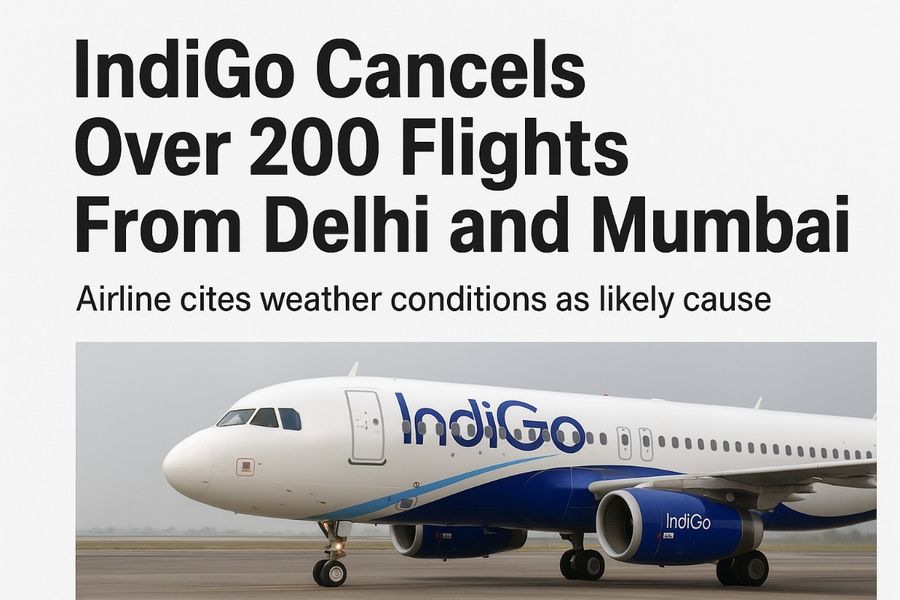
**Title: IndiGo Cancels Over 200 Flights from Delhi and Mumbai on Saturday**
On December 6, IndiGo, one of India's leading domestic airlines, announced the cancellation of over 200 flights originating from both Delhi and Mumbai, causing significant disruption for passengers across the country. The airline, known for its extensive route network and punctuality, faced tremendous backlash and frustration from travelers who were left scrambling to rearrange their plans in the wake of this unprecedented move.
The multiple cancellations were reportedly attributed to adverse weather conditions, particularly heavy fog and low visibility in the northern regions of India. As the winter season sets in, such weather phenomena often impede air traffic, creating a domino effect in flight schedules. Passengers who had booked tickets for holiday travel or urgent business commitments found themselves in a challenging predicament, with many expressing disappointment and confusion over the sudden flight disruptions.
IndiGo announced via social media platforms and its official website that affected passengers would be accommodated either through rescheduling or offered refunds. The airline stressed its commitment to ensuring passenger safety, emphasizing that the decision to cancel flights was made in light of weather advisories issued by the relevant authorities. In a statement, an IndiGo spokesperson mentioned, “We regret the inconvenience caused to our passengers. Safety is our utmost priority, and in the face of adverse weather conditions, canceling operations was a necessary precaution.”
Reports indicated that many travelers took to social media to voice their concerns, sharing their experiences of long waiting times at airport counters and the challenges faced in securing alternative transportation. Some passengers had arrived at the airport only to find their flights canceled without prior notification, prompting calls for improved communication from the airline in such eventualities.
The ripple effects of the cancellations extended beyond just the immediate passengers. Airports witnessed increased foot traffic from those rebooking flights, leading to long queues and crowded terminals. Travel experts noted that this situation underscores the necessity for both airlines and airport authorities to enhance their contingency plans and communication frameworks during peak travel seasons.
Passengers were advised to monitor the airline's official website for the latest updates on flight operations and to stay in touch with customer service for any assistance needed. Many took to booking services with rival airlines, although the last-minute nature of the situation made availability uncertain and prices surged for alternative routes.
In response to the growing frustrations among travelers, the Ministry of Civil Aviation has urged airlines to handle cancellations more efficiently and improve customer service protocols, especially during adverse weather conditions. They emphasized the importance of providing timely information to passengers to minimize confusion and dissatisfaction.
As cancellations continued throughout the day, travel experts warned that such incidents highlight the vulnerabilities within the air travel system during the winter months. Passengers are advised to plan their journeys carefully and consider travel insurance to mitigate potential losses incurred from such flight disruptions.
In conclusion, while adverse weather played a prominent role in the mass cancellations by IndiGo, the incident serves as a reminder of the fragility of travel plans dependent on external factors. As passengers wait for clearer skies and normalized schedules, the hope remains that airlines will use this opportunity to learn from the experience and enhance their operational resilience against unforeseen disruptions in the future.