Gay Black Muslim candidates achieve historic firsts in US midterms
US midterm elections saw three historic firsts: a gay candidate, a Black candidate, and a Muslim candidate achieving significant representation. These milestones mark notable shifts in American political demographics.
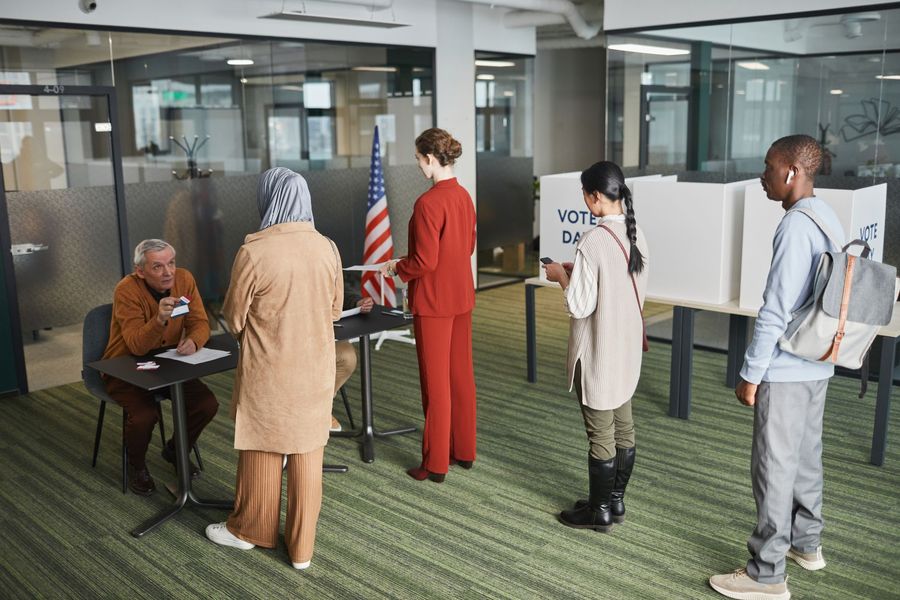
The recent US midterm elections witnessed a significant demographic milestone with a gay candidate, a Black candidate, and a Muslim candidate achieving notable representation across various races. These achievements are not isolated incidents but rather indicators of evolving political landscapes and shifting voter demographics within the American electorate. The presence of these individuals in elected or significant campaign roles signals a gradual, yet tangible, integration of previously underrepresented communities into the core of American political life.
Historically, the political sphere in the United States has often been dominated by established demographics, making the visibility and success of candidates from the LGBTQ+ community, the Black community, and the Muslim community particularly noteworthy. The background context reveals a long-standing push for greater inclusivity, driven by grassroots organizing, increased civic engagement among minority groups, and broader societal conversations regarding identity and rights.
The impact of these three firsts extends beyond individual victories; it influences political narratives and policy focus. Increased representation from these groups brings diverse lived experiences into legislative and electoral decision-making, potentially leading to policy considerations that better address the needs of varied populations. This trend challenges traditional monolithic views of American politics, fostering a more nuanced and representative democratic process.
These milestones underscore a broader national conversation about equity and inclusion, demonstrating that the American political system, while still facing challenges, is slowly becoming more reflective of its diverse population. The success of these candidates sets a precedent, encouraging future participation from similar communities and potentially accelerating the pace of demographic representation in future elections.
Also Read

इराणने होर्मुज जलडमरूस्तंभासाठी महत्त्वपूर्ण निर्णय जाहीर केला
होर्मुज सामुद्रधुनीतील वाहतुकीवर निर्बंध हटवून इराणने भारत, चीन, इराक आणि कतारसाठी मार्ग मोकळा केला आहे. ही भारतासाठी दिलासादायक बाब असली तरी अमेरिकेसाठी मोठा धक्का आहे.
These electoral milestones signify a gradual, yet tangible, broadening of the American political landscape. The presence of a gay, a Black, and a Muslim candidate achieving notable representation is not merely a statistical footnote; it reflects evolving societal acceptance and the increasing diversity within the electorate itself. Historically, political representation in the US has often mirrored, but not always reflected, the nation's demographic reality. These firsts suggest a growing mobilization among diverse communities, translating cultural visibility into tangible political power at the state and federal levels.
The potential impact extends beyond individual victories. Increased representation from these groups can reshape policy priorities, ensuring that issues pertinent to LGBTQ+ individuals, the Black community, and Muslim Americans—such as healthcare access, economic equity, and civil liberties—receive more focused attention from elected officials. This shift can moderate political discourse by introducing varied lived experiences into legislative decision-making, potentially leading to more nuanced and inclusive policy outcomes rather than purely partisan ones.
Looking ahead, the crucial element is the sustainability of this momentum. What to watch next is not just the immediate legislative actions of these representatives, but how their success influences subsequent election cycles. The next critical indicators will be the level of grassroots support these candidates build, their ability to translate local wins into broader coalition-building across demographic lines, and whether their presence inspires further diverse participation in local and state races. The long-term significance lies in whether these firsts become the foundation for sustained, equitable political inclusion across the country.