Dr. Srivastava: Robotic Surgery to Replace Laparoscopy
Dr. Srivastava stated that robotic surgery is expected to replace laparoscopy in the near future due to its advanced precision and capabilities. This transition aims to improve surgical outcomes and patient recovery times.
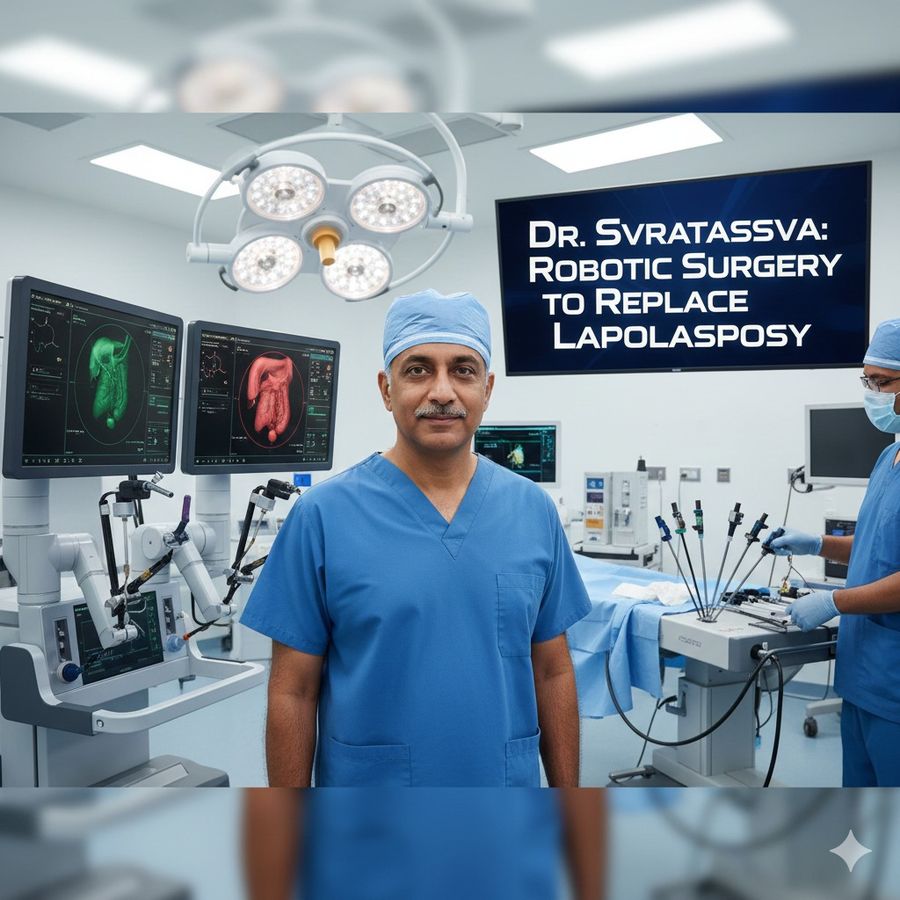
**Robotic Surgery To Replace Laparoscopy: Dr. Srivastava**
Dr. Srivastava, a leading expert in minimally invasive surgical techniques, has indicated that robotic surgery is poised to replace laparoscopy in the near future. This prediction stems from the growing advancements in robotic technology, which offer enhanced precision and capabilities compared to traditional laparoscopic methods.
Laparoscopy, a minimally invasive surgical procedure performed through small incisions using a camera and specialized instruments, has been a standard approach for various surgeries over the past few decades. It has been valued for reducing patient trauma, lowering post-operative pain, and shortening hospital stays compared to open surgery. However, the advent of robotic surgery systems, such as the da Vinci Surgical System, has introduced a new dimension to minimally invasive surgery.
Robotic surgery employs computer-assisted robotic arms controlled by the surgeon from a console, providing improved dexterity, range of motion, and visualization. These features allow surgeons to perform complex procedures with greater accuracy and control. According to Dr. Srivastava, these systems can potentially reduce surgical errors and improve patient outcomes through superior precision.
The transition from laparoscopy to robotic surgery is expected to impact various medical specialties, including urology, gynecology, general surgery, and cardiothoracic procedures. Robotic surgery has already gained widespread adoption in certain fields, such as prostatectomy and hysterectomy, with reported benefits including less blood loss, reduced infection rates, and faster recovery times.
While robotic surgery presents several advantages, there are considerations regarding cost, training, and accessibility. Robotic systems are expensive to acquire and maintain, which can limit their availability in some healthcare settings, particularly in developing regions. Additionally, surgeons require specialized training to operate these systems effectively, necessitating investment in education and skill development.
Dr. Srivastava emphasized that despite these challenges, the momentum behind robotic surgery is strong due to its potential to transform surgical care. “The precision and enhanced capabilities offered by robotic systems are revolutionizing how we approach complex surgeries. We anticipate that robotic surgery will become the new standard, gradually supplanting traditional laparoscopy,” Dr. Srivastava stated.
Healthcare providers and institutions are closely monitoring clinical outcomes and cost-effectiveness to determine how best to integrate robotic surgery into routine practice. Ongoing research continues to evaluate patient recovery times, complication rates, and long-term benefits compared to laparoscopy.
In summary, the surgical community is witnessing a significant shift as robotic technology evolves. Dr. Srivastava’s insights reflect a broader trend toward adopting advanced methods that improve surgical precision and patient care. The upcoming years may see robotic surgery firmly established as the preferred approach for minimally invasive procedures, marking a new era in surgical innovation.