Kerala High Court rules dharnas hunger strikes incompatible with constitutional democracy
The Kerala High Court ruled that dharnas and hunger strikes lack a place within a constitutional democracy. This judgment emphasizes the limitations of such protests under the existing legal framework.
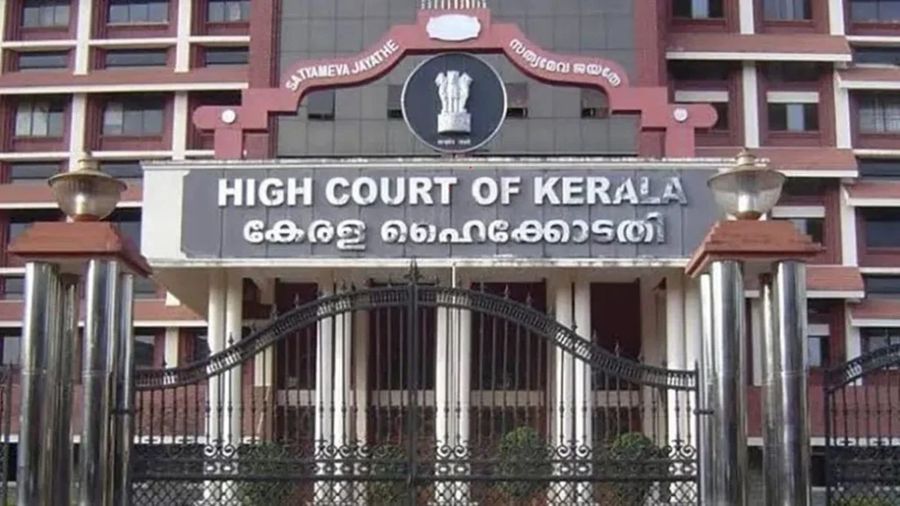
The Kerala High Court has delivered a significant ruling, asserting that dharnas and hunger strikes do not hold a legitimate space within the framework of a constitutional democracy. The judgment underscores the necessity of adhering to established legal procedures for dissent, effectively placing limitations on these forms of protest that often bypass statutory requirements. This decision signals a judicial emphasis on the rule of law over unbridled public demonstration, clarifying the boundaries of civil action in the state.
The background to this ruling lies in repeated instances where prolonged dharnas and hunger strikes have disrupted public order and infrastructure, leading to legal challenges. While the right to protest is enshrined under the Indian Constitution, the court has clarified that this right is not absolute; it is subject to reasonable restrictions imposed by law, particularly concerning public safety and order. The court meticulously examined precedents regarding public assembly and the scope of fundamental rights when they conflict with state governance and public welfare.
The impact of this judgment is considerable for civil society activism in Kerala and across India. It mandates that activists seeking redressal must utilize legal avenues such as filing petitions in courts, engaging with legislative bodies, or adhering to permissions granted under the relevant police and public assembly acts. This ruling does not negate the right to dissent but rather redirects it from potentially disruptive, extra-legal actions to structured, legally compliant forms of advocacy, reinforcing the institutional integrity of the democratic process.
Also Read

विराट कोहलीच्या ७ रेकॉर्डसह न्यूझीलंडविरुद्ध महत्त्वपूर्ण कामगिरी
विराट कोहलीने न्यूझीलंडविरुद्ध महत्त्वपूर्ण कामगिरी करत रेकॉर्ड्सचा डोंगर रचला. वयाच्या ३७ व्या वर्षीही तो तितकाच प्रभावी आणि दमदार खेळाडू सिद्ध झाला.
The judgment carries significant weight in defining the boundaries of public dissent within India's constitutional framework. While the right to protest is enshrined under fundamental rights, the High Court's ruling clarifies that this right is not absolute and is subject to reasonable restrictions imposed by law, particularly concerning public order and individual safety. This decision moves the discourse from a purely rights-based argument to one rooted in legal compliance, suggesting that extra-constitutional methods of protest must align with established legal avenues like petitions, public hearings, and organized demonstrations within permitted parameters.
The possible impact of this ruling is a potential shift in how civil society engages with governance. It encourages activists and concerned citizens to prioritize legal and institutional mechanisms over disruptive, non-sanctioned forms of protest. Conversely, it necessitates clearer guidelines from state authorities on what constitutes an unlawful assembly versus a legitimate expression of grievance, aiming to prevent arbitrary use of law against legitimate dissent.
Moving forward, the focus will likely shift to how lower courts and administrative bodies interpret this High Court directive. Stakeholders, including civil rights organizations and political parties, will monitor whether this judgment leads to a greater adherence to procedural law in protests, or if it inadvertently stifles genuine public outcry. Attention must remain on how the state balances the constitutional guarantee of free speech with the imperative to maintain law and order, ensuring that the legal framework supports, rather than obstructs, democratic participation.