Crypto Mogul Do Kwon Sentenced to 15 Years for Misleading Investors in Stablecoin Crash
Do Kwon, the co-founder of Terraform Labs, has been sentenced to 15 years in prison for fraud related to the 2022 collapse of the Terra stablecoin. The court found him guilty of misleading investors, which led to significant financial losses amounting to billions of dollars. This ruling marks a notable
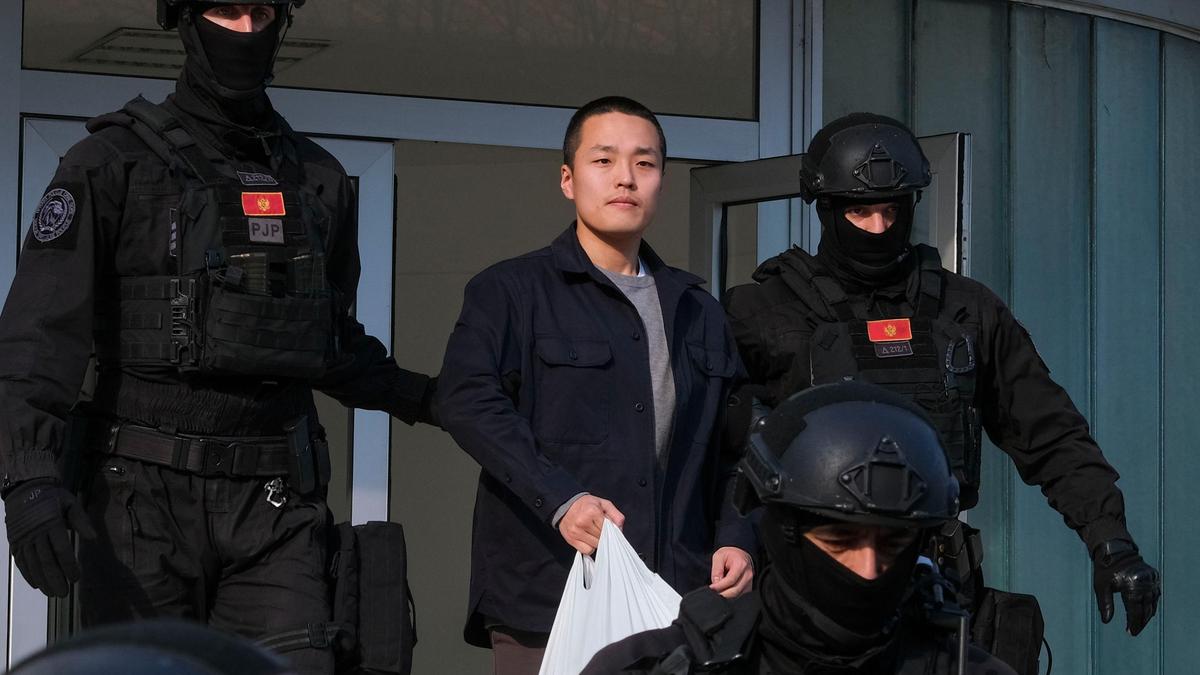
Do Kwon, the co-founder of Terraform Labs, has been sentenced to 15 years in prison for fraud related to the catastrophic collapse of the Terra stablecoin in 2022. The Seoul District Court's ruling comes after extensive hearings that revealed Kwon's role in misleading investors, culminating in losses that wiped out billions of dollars in value. This case highlights the growing scrutiny faced by cryptocurrency entrepreneurs amid fears of unregulated markets.
During the trial, evidence presented by prosecutors illustrated a pattern of deceptive practices employed by Kwon and his associates, which contributed to the Terra stablecoin's sudden implosion. The court found that Kwon intentionally misled investors about the stability and reliability of the cryptocurrency, assuring them of its resilience even as warning signs mounted. “The court’s decision reinforces the principle that no one is above the law, including those in the crypto sphere,” said one legal expert commenting on the ruling.
The TerraUSD stablecoin, pegged to the U.S. dollar, was marketed as a safe investment. However, its collapse led to a domino effect that resulted in a significant downturn in the broader cryptocurrency market. Retail investors, many of whom were drawn to the promise of high returns, found themselves financially devastated, with countless individuals losing their life savings. Kwon's actions were particularly scrutinized given the trust many investors placed in him, which ultimately crumbled as the market spiraled downward.
In court, several testimonials from affected investors underscored the emotional toll of the collapse. Many expressed feelings of betrayal and anger, having invested based on Kwon's assurances of a stable and innovative future. “I lost everything I had saved for my children's education. I trusted him,” one distraught investor shared during the proceedings. This sentiment resonated with many in attendance, amplifying the impact of the ruling.
In the wake of the verdict, regulatory bodies in South Korea and around the world are likely to use this case as a catalyst for stricter regulations in the cryptocurrency sector. Legal analysts believe that this landmark decision may set the tone for future cases involving fraudulent activities in digital currencies. "It serves as a warning to anyone considering similar deceptive practices," remarked another seasoned attorney. “The message is clear: transparency is non-negotiable.”
Kwon was arrested in Montenegro earlier this year after several months of evading authorities, having fled South Korea after the initial fallout from the Terra collapse. His capture marked a significant development in the global efforts to hold crypto figures accountable for their actions. As the cryptocurrency landscape continues to evolve, Kwon's lengthy prison sentence could serve as both a cautionary tale and a pivotal moment in the ongoing battle for investor protection.
The ruling against Kwon is seen as a significant moment in the realm of cryptocurrency regulations and accountability. As investors and regulatory bodies watch closely, it is evident that the effects of this case will reverberate throughout the industry for years to come, underlining the necessity of integrity in financial innovation.