Contempt Notices Issued to IAS Officers Karnan and Ilambarithi in Tamil Nadu
The Telangana High Court has set a deadline for authorities to respond to a contempt case, requiring them to file their counters by January 9, 2026. Justice Nagesh Bheemapaka warned that failure to comply would result in a mandatory court appearance, and any late submissions would incur a penalty of Rs 10,000.
Hyderabad — By Loksangharsh News Bureau
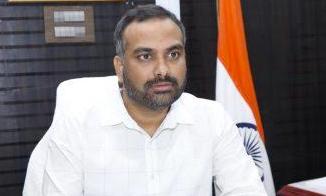
The Telangana High Court has issued contempt notices to IAS officers V. Karnan and K. Ilambarithi, requiring a formal response regarding pending orders by January 9, 2026. Justice Nagesh Bheemapaka emphasized the importance of adhering to the deadline, stating that any failure to comply could result in a mandatory court appearance for the officials involved.
The decision follows a series of setbacks in the execution of certain judicial directives. The court's intervention came after it was observed that the necessary actions mandated in previous orders were not addressed adequately. Justice Bheemapaka pointedly noted that this oversight reflects poorly on adherence to judicial processes in the state.
During the hearing, which took place earlier this week, the judge highlighted the ramifications of non-compliance. He stated, “The court expects timely and responsible action from the officials entrusted with such obligations,” underscoring the critical role of public servants in upholding the law.
In addition to the deadline, the court imposed a penalty framework, stipulating that any late submissions post the January deadline would incur a fine of Rs 10,000. This provision aims to ensure accountability among government officials and to deter future delays in responding to judicial orders.
Legal experts suggest that the court's ultimatum reflects an increasing trend of the judiciary to reinforce its authority and the necessity for public servants to comply with legal mandates. The implications of this ruling extend beyond the immediate case, as it sets a precedent for similar situations involving judicial oversight of executive actions.
In conclusion, the directive from the Telangana High Court serves as a reminder of the importance of timely compliance with legal orders, reinforcing the need for accountability within the administrative framework. The court's focus on deadlines and penalties is aimed at fostering a sense of urgency and responsibility among public officials moving forward.