Cockroach Janta Party: Meme Movement or Political Experiment?
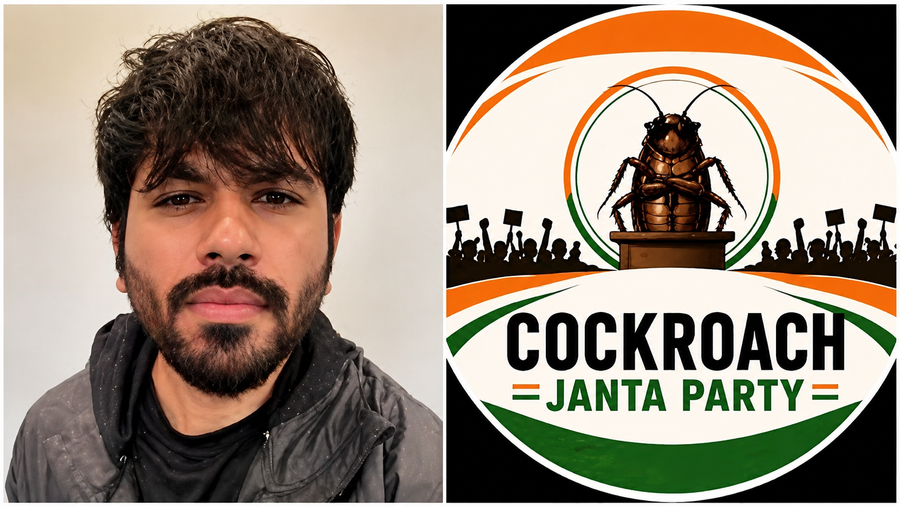
The so-called “Cockroach Janta Party” (CJP) began as an internet satire movement after controversial remarks allegedly comparing unemployed youth and activists to “cockroaches” triggered backlash online in India.
The Rise of the “Cockroach Janta Party”
India’s internet culture has seen many viral political trends over the years, but few exploded as quickly as the “Cockroach Janta Party.” Unlike traditional political organizations built through rallies, offices, and cadre networks, this movement was born entirely online — powered by memes, sarcasm, outrage, and frustration among young social media users.
The movement reportedly emerged after controversial courtroom remarks connected to Chief Justice Surya Kant sparked anger among unemployed youth and activists. Social media users began mocking the situation by reclaiming the insult and turning “cockroach” into a badge of resistance.
Within days, parody posters, fake campaign slogans, satirical manifestos, and edited political speeches flooded Instagram, Reddit, and X. The internet transformed the phrase into a full-fledged fictional political identity.
Unlike older protest cultures that depended on street demonstrations, this movement spread through reels, meme pages, livestreams, and influencer networks. That is why many observers describe it less as a political party and more as a digital psychological protest by frustrated youth.
Who Started It?
Most reports identify Abhijeet Dipke as the central figure behind the movement. Abhijit Dipke previously worked as a social media volunteer connected to the Aam Aadmi Party ecosystem between 2020 and 2023 before moving to Boston for public relations studies.
That connection became controversial after old posts surfaced in which Dipke publicly thanked senior Aam Aadmi Party leader Manish Sisodia for guidance and opportunities before leaving for the United States.
Supporters of the movement argue that:
satire does not automatically equal party propaganda,
young people are using humor to express frustration,
and online political experimentation is natural in modern democracies.
Critics, however, argue the campaign looks too professionally organized to be spontaneous.
Why Critics Say It Is Politically Motivated
The biggest controversy surrounding CJP is the allegation that it indirectly supports opposition narratives while aggressively targeting institutions associated with the Indian establishment.
Several critics online have accused the movement of:
amplifying anti-government sentiment,
promoting anti-BJP narratives,
glorifying protest culture,
and emotionally manipulating unemployed youth through meme politics.
Some Reddit discussions and political commentators also questioned:
why the movement suddenly gained millions of followers in just days,
how its branding became so polished so quickly,
and whether professional political PR teams were involved behind the scenes.
The movement has additionally received attention from opposition-linked figures including Mahua Moitra and Kirti Azad, which further strengthened claims from critics that the campaign leans toward anti-establishment and left-leaning political ecosystems.
The “Anti-India” Debate
One reason the movement became highly polarizing is because its critics argue that parts of the online ecosystem around it moved beyond satire and entered dangerous territory.
Some nationalist commentators accused sections of the campaign of:
mocking Indian institutions,
encouraging distrust in the judiciary,
promoting protest-driven instability,
and importing Western-style activist politics into India.
The fact that the founder was studying in the United States intensified suspicion among critics, who argued that Indian youth frustrations were being politically weaponized from abroad.
At the same time, supporters reject the “anti-India” label completely. They argue:
criticism of institutions is not anti-national,
satire is part of democracy,
and youth unemployment and frustration are real issues that deserve attention.
That divide is exactly why the movement became so viral — people are not only debating the memes, but also debating what modern political dissent should look like in India.
Why the Movement Spread So Fast
Three factors explain the sudden explosion:
1. Meme Culture
The movement speaks the language of Gen-Z internet culture — irony, sarcasm, short videos, and viral humor.
2. Youth Frustration
Many young Indians feel disconnected from traditional political parties. The movement tapped into anger about:
unemployment,
exam leaks,
corruption,
and political arrogance.
3. Digital Political Marketing
The branding looked extremely modern compared to old political communication:
cinematic posters,
meme-ready slogans,
influencer collaborations
and algorithm-driven Instagram content.
Critics say this proves organized political backing. Supporters say it simply proves modern political communication has changed.
Is It a Real Political Party?
As of now, the Cockroach Janta Party is largely viewed as a satirical digital movement rather than a registered political organization.
But history shows that internet jokes can sometimes evolve into real political pressure groups. That possibility is why many political observers are watching the movement closely instead of dismissing it entirely.
For now, CJP represents something bigger than memes:
a growing clash between traditional politics and internet-driven political culture in India.