Assam Struggles with Youth Outmigration Due to Lack of Skill-Based Growth Opportunities
Experts have emphasized the issue of unemployment in India, particularly in Assam, during a recent discussion. Dr. Saikia encouraged the youth to leverage local opportunities to address this challenge. The role of media in fostering democracy and informed dialogue was also underscored by the speakers.
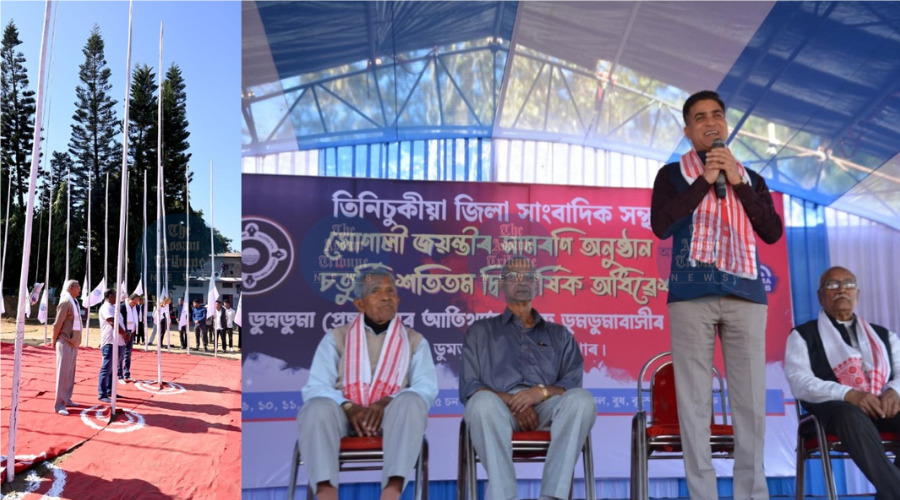
In recent discussions surrounding unemployment in India, particularly in Assam, experts have highlighted the pressing issue of youth outmigration as a critical barrier to local economic growth. With many young individuals leaving the state in search of better job prospects, the need for skill-based development initiatives has never been more urgent.
Assam, rich in cultural diversity and natural resources, has witnessed a steady exodus of its youth towards metropolitan areas. This trend raises concerns over the local economy's ability to absorb and develop its human resources effectively. During a recent panel discussion held in Guwahati, renowned economist Dr. Saikia pointed out that "the talent drought in Assam can be alleviated if our youth find meaningful opportunities right here at home." His remarks underscored the potential of local enterprises and traditional industries that could benefit from a more skilled workforce.
One of the primary reasons for the youth's migration is the mismatch between educational qualifications and market demands. Many graduates find themselves without the necessary skill sets required in various industries, leading to frustration and a sense of hopelessness. Local businesses, too, report challenges in finding adequately skilled candidates for available positions. "We're looking for passionate individuals, but often they've completed their education without any practical training," shares a representative from a prominent startup in Guwahati. This disconnect highlights the urgent need for educational institutions to align curricula with the needs of the job market.
Experts suggest that augmenting vocational training programs in Assam could be a significant step in addressing this issue. By focusing on skill development tailored to the state’s economic landscape, educational institutions can equip students for the realities of the job market. Dr. Saikia advocates for a collaborative approach where the government, industries, and educational institutions work together to establish dynamic skills training programs. "We need to create an ecosystem that encourages innovation and entrepreneurship among our youth," he emphasized.
The discussion also touched on the role of media in addressing public perceptions and informing communities about local opportunities. Speakers highlighted how effective communication can empower young individuals to explore homegrown career paths. By showcasing success stories of local entrepreneurs, the media can create a narrative that values staying in Assam and contributing to its development.
As authorities and stakeholders brainstorm potential solutions, grassroots initiatives are emerging across the state. Young innovators are beginning to harness local resources to create startups, addressing both environmental and economic concerns. This local resurgence could signal a shift in the trend of youth leaving Assam, demonstrating that fulfilling careers can indeed be fashioned within the region.
As the discourse continues, the challenge remains for Assam to create an environment where its youth can thrive, ensuring that they do not feel the need to seek opportunities elsewhere. The hope is that through collaborative efforts and a shift in focus towards skill-based growth, Assam can transform its youth outmigration dilemma into a story of local empowerment and economic resilience.