Tasmac Introduces QR Code System to Streamline Bottle Buy-Back Scheme
A new initiative is underway to replace manual stickers on bottles with QR codes to enhance tracking and recycling efficiency. While this move is expected to simplify processes, workers have expressed concerns about an increased workload associated with the change. They are requesting additional staff to manage the anticipated demands
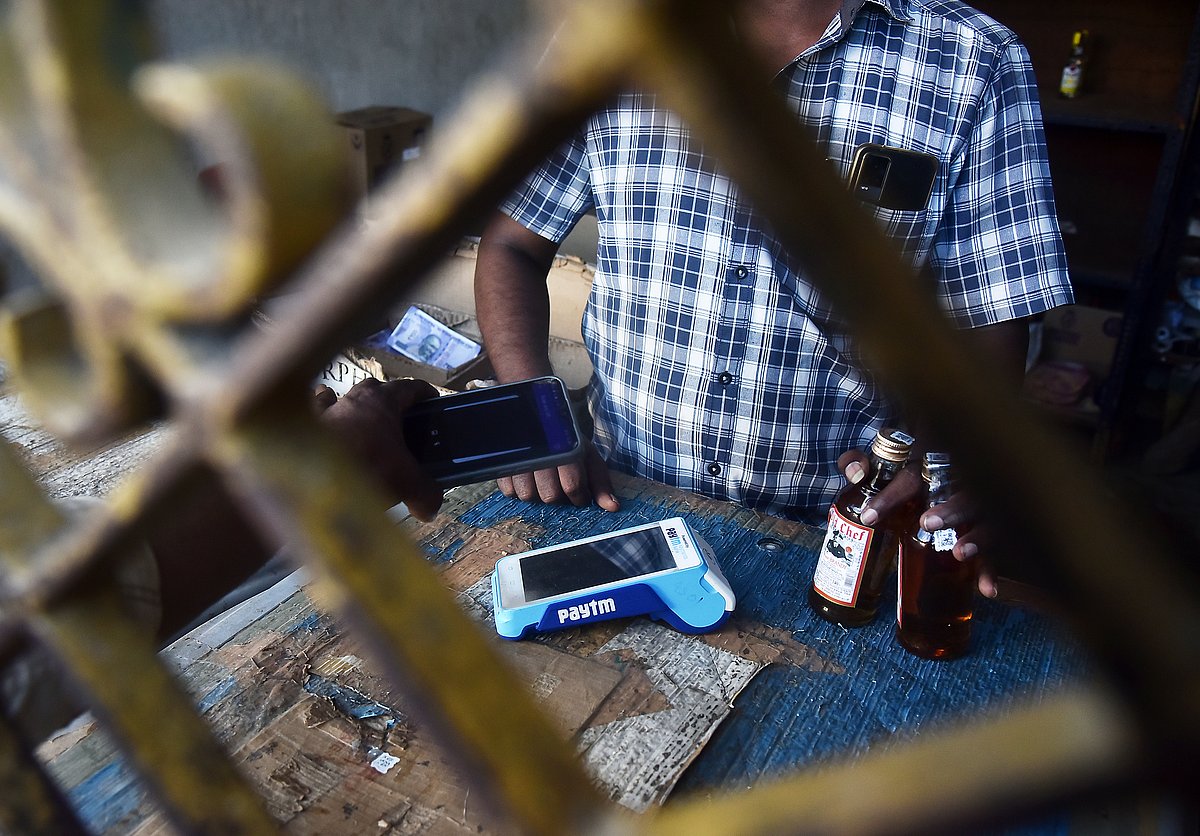
In a move aimed at streamlining its bottle buy-back scheme, the Tamil Nadu State Marketing Corporation (Tasmac) has announced the introduction of QR codes to replace traditional manual stickers on liquor bottles. This initiative seeks to enhance tracking and recycling efficiency across the state, promoting a more environmentally friendly approach to beverage consumption. However, employees at Tasmac have raised concerns regarding the potential increase in workload that may accompany these changes.
The new QR code system is set to be implemented in multiple locations across Tamil Nadu, including major cities like Chennai and Coimbatore. By utilizing digital tracking technology, Tasmac aims to make the process of returning empty bottles simpler and faster for consumers. The QR codes will allow for real-time data collection, enabling the corporation to monitor the recycling process more effectively and ensure compliance with waste management regulations.
Despite the expected benefits, workers have voiced apprehensions about the impact of this transition on their roles. “While we support efforts to improve the system, there is a fear that this will require more manpower to handle the additional tasks,” noted Rajesh Kumar, a Tasmac employee from Chennai. Employees are concerned that they may not only have to learn new systems but also deal with increased customer interactions as the QR codes become a part of regular transactions.
The implementation of QR codes is seen by some as a necessary step toward modernizing Tasmac’s operations. Advocates argue that a more efficient tracking system could lead to a higher rate of bottle returns and subsequently reduce litter in public spaces. “This is a positive development, and we need to embrace technology to enhance customer service and environmental responsibilities,” shared an anonymous official involved in the initiative.
However, the staff concerns prompt a critical question about the support structure necessary for the successful rollout of the QR code system. Tasmac management is reportedly aware of these concerns and is discussing the possibility of hiring additional staff to assist during the transition period. This could alleviate some of the pressure on existing workers while ensuring that operational efficiency remains intact.
As the plan progresses, stakeholders are closely monitoring the situation. Environmental activists have lent their support to the initiative, emphasizing the importance of effective recycling programs in addressing the solid waste crisis facing Tamil Nadu. They argue that a well-implemented bottle buy-back scheme can not only mitigate waste but also educate the public on responsible consumption behaviors.
With the QR code system poised to launch in the coming months, Tasmac faces the dual challenges of adopting new technology and managing workforce concerns. The successful implementation of this initiative could set a precedent for similar programs across India, reinforcing the importance of sustainable practices within the beverage industry. As the discussions evolve, clarity on staffing and training will be essential in ensuring a smooth transition and realizing the potential benefits of this innovative approach.