Haryana Power Discom pays Rs 90,000 after buffalo electrocution near village pond
A buffalo was electrocuted near a village pond in Haryana. The owner subsequently received a compensation payment of Rs 90,000 from the Haryana power distribution company.
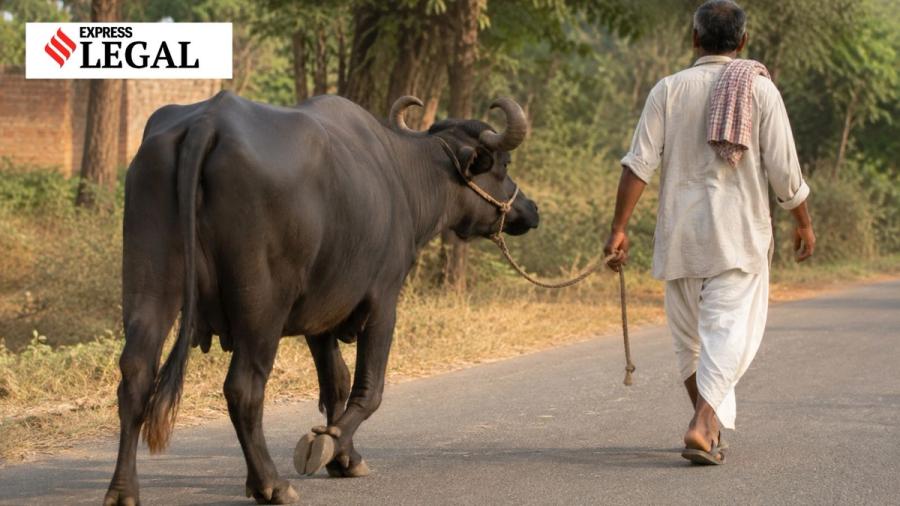
A buffalo sustained an electrocution near a village pond in Haryana, an incident that led to the owner securing a compensation payment of Rs 90,000 from the Haryana power distribution company. The event highlights recurring safety concerns related to electrical infrastructure near rural water sources, a vulnerability often exacerbated by aging or improperly maintained power lines in agricultural areas.
The incident occurred near a local village pond, a common site for livestock watering in the region. Reports indicate that the animal came into contact with live electrical wiring, resulting in the fatal electrocution. Such incidents are not isolated; rural areas across Haryana frequently face risks associated with overhead power lines crossing or running near water bodies, posing dangers not only to livestock but also to local residents.
The subsequent claim filed by the buffalo's owner against the Haryana power discom was successful, resulting in the disbursement of Rs 90,000. This compensation serves as a legal acknowledgment of negligence on the part of the utility provider, suggesting a lapse in preventative maintenance or adherence to safety protocols mandated for infrastructure near public or agricultural resources.
The impact of this incident extends beyond the financial compensation. It underscores the critical need for proactive safety audits by the power distribution company, particularly in areas bordering ponds and fields. Authorities and the discom are under scrutiny to ensure that all exposed wiring is properly insulated, grounded, and that immediate remedial action is taken to prevent similar tragic and costly occurrences in the future.
Also Read

भारत बनाम न्यूजीलैंड पहला वनडे: न्यूजीलैंड का स्कोर 100 पार, आधी टीम आउट
पहले वनडे में न्यूजीलैंड का स्कोर 100 के पार पहुंचा, लेकिन आधी टीम पवेलियन लौट चुकी है। भारतीय गेंदबाजों की कसी हुई गेंदबाजी के सामने न्यूजीलैंड की शुरुआत धीमी रही है।
This compensation payment underscores the established, albeit often slow, regulatory mechanism for addressing property damage caused by utility infrastructure failures in the state. The incident highlights a persistent challenge: ensuring that agricultural losses due to electrical negligence are promptly and fairly compensated, rather than leading to protracted legal battles for the affected farmer. The amount awarded reflects the assessed value of the livestock loss as per the discom's internal assessment framework, setting a precedent for similar claims within the local jurisdiction.
The possible impact of this resolution extends beyond the individual farmer. It serves as a tangible example of accountability within the Haryana power distribution company, potentially influencing their maintenance protocols around rural and semi-rural water bodies where stray electrical lines pose significant risk to livestock. If such incidents are handled efficiently, it can foster greater trust between rural communities and power providers; conversely, delays or disputes can escalate into community grievances against the utility.
Moving forward, attention should remain focused on the discom's documented preventative measures in the vicinity of village ponds. What to watch next is not just the resolution of this single case, but rather the implementation of proactive safety audits by the Haryana power discom in areas with similar high-risk infrastructure near water sources. Furthermore, monitoring any official directives or revised compensation guidelines issued by the state energy department in response to this type of incident will provide clearer insight into systemic change versus isolated incident management.