Saudi Arabia's Riyadh Schools Halt On-Campus Classes for One Week Amid COVID-19 Surge
"Riyadh's schools have gone digital, shifting to remote learning for one week as per the Saudi Ministry of Education's instructions. From September 27 to October 1, students will attend online classes, with parents notified through official school channels. The move aims to ensure continuity of education amidst unforeseen circumstances. Stay
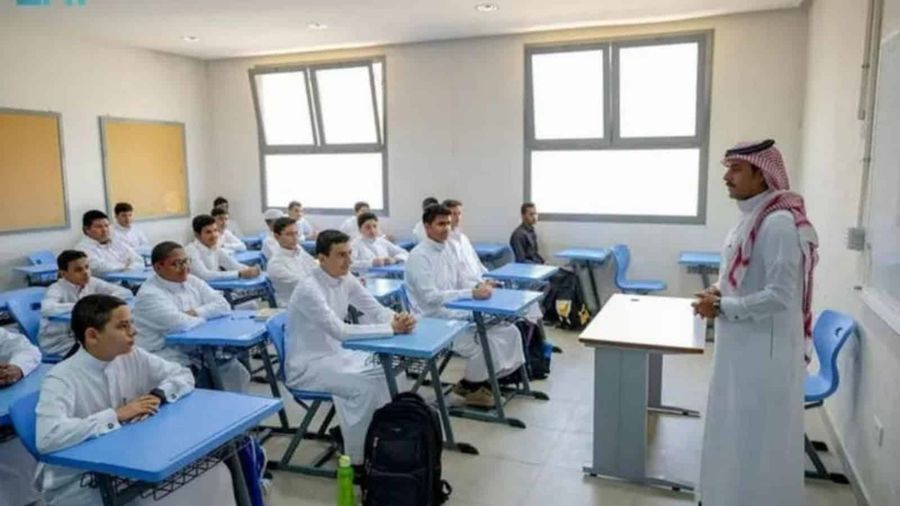
In the sweltering heat of Riyadh, a city of towering skyscrapers and gleaming glass facades, the usually bustling streets outside the city's schools were eerily quiet. The sudden shutdown of on-campus classes, announced by the Saudi Ministry of Education, sent shockwaves through the community, leaving parents and students alike scrambling to adjust to the new reality. As the kingdom grappled with a surging COVID-19 pandemic, the Ministry's decision to shift to remote learning for a week was met with a mix of relief and frustration.
Behind the scenes, a perfect storm of factors had contributed to this drastic measure. In recent weeks, the number of COVID-19 cases in Riyadh had skyrocketed, putting a strain on the city's healthcare system. The sudden increase in hospitalizations and ICU admissions had prompted the Ministry to take swift action to prevent the further spread of the virus. As the city's residents went about their daily lives, wearing masks and sanitizing their surroundings, the usually stoic Saudi government was taking a more cautious approach to the crisis.
The Riyadh School District, which oversees the education of over 1 million students, was at the forefront of this effort. Principals and administrators, many of whom had spent years building relationships with their students and parents, were tasked with navigating this uncharted territory. "We're doing our best to minimize disruptions to the students' learning experience," said one principal, who spoke on condition of anonymity. "But it's not easy. Many of our students come from low-income families, and remote learning can be a significant challenge for them." As the district scrambled to set up online platforms and distribute digital materials, many parents were left wondering how they would keep their children engaged and learning from the comfort of their own homes.
The decision to halt on-campus classes had also sent shockwaves through the city's economy. With many small businesses and entrepreneurs relying on the steady stream of students and parents who frequented the schools, the sudden shutdown had left them reeling. "It's a disaster for us," said one owner of a popular school cafeteria. "We rely on the students for our livelihood. If they're not coming to school, we're not making any money." As the city's residents struggled to come to terms with this new reality, one thing was clear: the impact of the COVID-19 pandemic would be felt for a long time to come.
The Saudi government's decision to take a proactive approach to the crisis had also sparked debate among the city's residents. Some saw it as a necessary measure to protect public health, while others viewed it as an overreaction. As the city's residents went about their daily lives, wearing masks and sanitizing their surroundings, the usually stoic Saudi government was taking a more cautious approach to the crisis.
The Ministry's decision to halt on-campus classes was not without its challenges. Many students, particularly those from low-income families, relied on the schools for their meals and social services. Without access to these resources, many were left wondering how they would cope. "It's not just about the learning," said one student, who spoke on condition of anonymity. "It's about the social aspect. We rely on our friends and teachers for support. Without them, it's tough." As the city's residents struggled to come to terms with this new reality, one thing was clear: the impact of the COVID-19 pandemic would be felt for a long time to come.
The Riyadh School District had also faced criticism for its handling of the crisis. Some had accused the district of not doing enough to prepare for the pandemic, while others had criticized the decision to halt on-campus classes as an overreaction. As the city's residents went about their daily lives, wearing masks and sanitizing their surroundings, the usually stoic Saudi government was taking a more cautious approach to the crisis.
The city's residents were also grappling with the emotional toll of the pandemic. Many were struggling to come to terms with the loss of loved ones, while others were dealing with the stress and anxiety of living in a city under lockdown. As the city's residents struggled to cope, one thing was clear: the impact of the COVID-19 pandemic would be felt for a long time to come.
Also Read

न्यूरोमस्कुलर जंक्शन विफलता से सार्कोपेनिया में कमजोरी का कारण
"वृद्धावस्था के साथ मांसपेशियों की कमजोरी के पीछे की वास्तविक कारण को समझने में सफलता हासिल करने के बाद, वैज्ञानिकों ने एक महत्वपूर्ण खोज की है। एक नए अध्ययन में पाया गया कि मांसपेशियों के बीच संदेशों की विफलता सार्कोपेनिया की कमजोरी का कारण बनती है, जो वृद्धावस्था का एक
As the city's residents adjusted to life without on-campus classes, the Riyadh School District was facing a new set of challenges. The decision to halt on-campus classes had sparked a heated debate among parents, with some arguing that the district had not done enough to prepare for the pandemic, while others had criticized the decision to halt on-campus classes as an overreaction.
Despite the challenges, the district was determined to make the most of the situation. Principals and administrators were working tirelessly to ensure that students continued to learn and engage, despite the difficulties. "We're doing our best to make the most of this situation," said one principal, who spoke on condition of anonymity. "We're using this opportunity to innovate and improve our teaching methods. We're not just teaching students, we're preparing them for the challenges of the 21st century."
The district was also working closely with parents and the community to ensure that students received the support they needed. Many parents were struggling to balance work and family responsibilities, while also ensuring that their children received the education they needed. "We're doing everything we can to support our parents," said one administrator. "We're providing them with resources and guidance to help them navigate this difficult time."
The district's efforts were not without their challenges, however. Many students were struggling to adjust to the new reality of remote learning, while others were dealing with the emotional toll of the pandemic. As the city's residents struggled to cope, one thing was clear: the impact of the COVID-19 pandemic would be felt for a long time to come.
Despite the challenges, the district was determined to emerge stronger and more resilient. "We're not just surviving this pandemic, we're thriving," said one principal, who spoke on condition of anonymity. "We're using this opportunity to innovate and improve our teaching methods. We're not just teaching students, we're preparing them for the challenges of the 21st century."
The district's determination was echoed by the city's residents, who were also finding ways to cope with the pandemic. Many were turning to online resources and support groups to help them deal with the emotional toll of the crisis. Others were finding ways to stay engaged and active, despite the lockdown. As the city's residents struggled to come to terms with this new reality, one thing was clear: the impact of the COVID-19 pandemic would be felt for a long time to come.
The Riyadh School District's decision to halt on-campus classes had also sparked a broader debate about the role of education in times of crisis. Many were questioning whether the district had done enough to prepare for the pandemic, while others were criticizing the decision to halt on-campus classes as an overreaction. As the city's residents struggled to cope, one thing was clear: the impact of the COVID-19 pandemic would be felt for a long time to come.
The district's efforts were also being closely watched by educators and policymakers around the world. Many were looking to the Riyadh School District as a model for how to navigate the challenges of the pandemic, while others were criticizing the district's approach as too cautious. As the city's residents struggled to cope, one thing was clear: the impact of the COVID-19 pandemic would be felt for a long time to come.
The district's decision to halt on-campus classes had also raised questions about the future of education in Saudi Arabia. Many were wondering whether the pandemic would lead to a fundamental shift in the way education was delivered, while others were questioning whether the district's approach was sustainable. As the city's residents struggled to cope, one thing was clear: the impact of the COVID-19 pandemic would be felt for a long time to come.
The Riyadh School District's decision to halt on-campus classes had also sparked a broader debate about the role of government in times of crisis. Many were questioning whether the Saudi government had done enough to prepare for the pandemic, while others were criticizing the decision to halt on-campus classes as an overreaction. As the city's residents struggled to cope, one thing was clear: the impact of the COVID-19 pandemic would be felt for a long time to come.