Kerala health spending declines, NHA data shows rising out-of-pocket costs
Kerala is grappling with increasing Out-of-Pocket Expenditure (OOPE) amid declining public health funding. Consequently, households are increasingly responsible for covering the majority of healthcare costs.
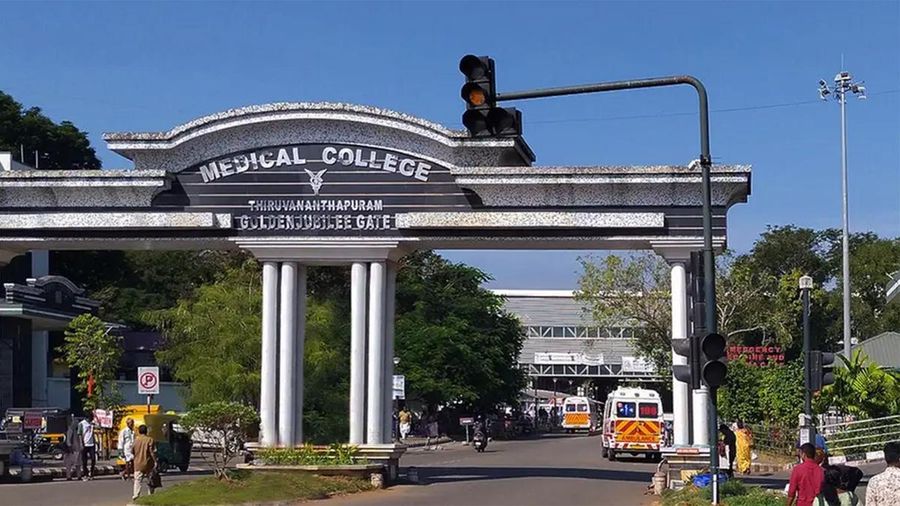
Recent estimates from the National Health Accounts (NHA) reveal a worrying trend in Kerala's healthcare landscape: a marked increase in Out-of-Pocket Expenditure (OOPE) coinciding with a discernible decline in public sector health spending. This financial shift places a heavier burden directly onto individual households, fundamentally altering the accessibility and affordability of medical care for the state's populace.
Historically, Kerala has been recognized for its robust public health infrastructure and relatively low health expenditure burden compared to many Indian states. However, the latest NHA data suggests a divergence from this trend. As government allocations towards primary and secondary healthcare facilities have reportedly decreased, the gap in service provision is increasingly being filled by private healthcare options, which necessitate direct patient payments.
The implications of rising OOPE are significant, potentially exacerbating health inequalities. Vulnerable populations, including low-income families and the elderly, are at heightened risk of foregoing necessary medical treatment due to financial constraints, leading to delayed diagnoses and poorer health outcomes.
This trend demands immediate policy review. Sustained public health coverage is crucial not only for individual well-being but also for overall socio-economic stability. Stakeholders, including state health departments and policymakers, must address the funding deficit to ensure that healthcare remains a right, not merely a commodity accessible only to those who can afford it.
Also Read
बंगाल की खाड़ी में चक्रवात अक्वान, प्रभावित राज्यों पर मौसम विभाग की चेतावनी
बंगाल की खाड़ी में चक्रवात 'अक्वान' बन रहा है, जिसका असर चेन्नई और आंध्र प्रदेश तटों पर दिखेगा। उत्तर भारत में ठंड और कोहरा जारी है, जबकि तटीय राज्यों में भारी बारिश की चेतावनी है।
The trend of rising Out-of-Pocket Expenditure coupled with reduced government health spending in Kerala signals a significant shift in the state's healthcare financing model. Historically, Kerala has been recognized for its robust public health infrastructure and relatively low dependency on private expenditure. However, the current data indicates a growing financial burden on individual households, potentially exacerbating health-related economic vulnerability across diverse socio-economic strata. This necessitates a closer examination of how existing public health schemes are being utilized and whether they are adequately compensating for the funding gaps observed in government allocations.
The possible impact of this trajectory is multifaceted. Increased OOPE can lead to delayed medical treatment, foregoing necessary care due to affordability concerns, and a rise in household debt directly attributable to health crises. While Kerala possesses strong social welfare frameworks, the declining public investment suggests that the safety net might be under strain against the rising demand for specialized and tertiary care. Sustained high out-of-pocket costs risk undermining the state's public health achievements by shifting financial risk from the state to the citizen.
Moving forward, key developments to monitor include the implementation and effectiveness of any targeted financial protection schemes designed to mitigate OOPE. Scrutiny should also be placed on the allocation patterns within the state health budget to ascertain if spending is shifting from primary and preventive care towards curative, high-cost interventions. Furthermore, any policy announcements regarding public-private partnership models in healthcare, and their associated cost-sharing mechanisms, will be critical indicators of the state's long-term strategy for ensuring accessible and affordable healthcare for all residents.