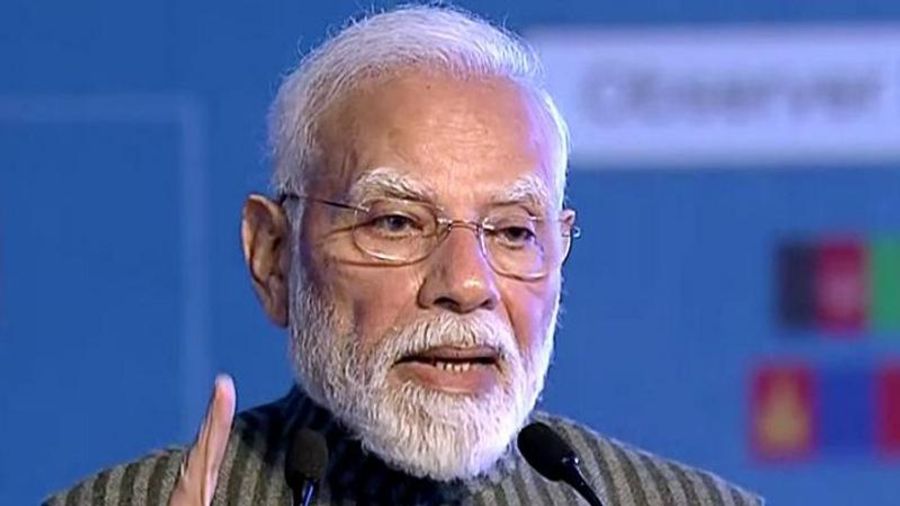
Climate Finance and Equity Remain Key Issues at COP31 Talks
Climate finance and equity remain contentious issues at COP31. Disagreements persist over fair resource distribution and implementation of global climate commitments.
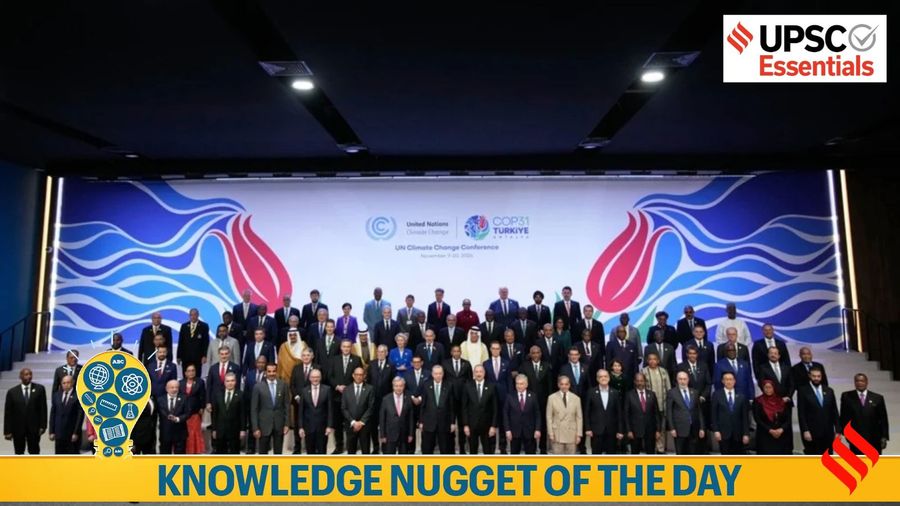
The ongoing discussions at COP31 underscore a persistent and deeply rooted tension surrounding climate finance and equity, highlighting that global climate commitments remain fraught with disagreement over fair resource distribution. While the scientific consensus on climate change is robust, translating that consensus into equitable financial mechanisms for mitigation and adaptation continues to prove a significant hurdle for international cooperation.
The core of the contention lies in historical responsibility versus current need. Developing nations consistently argue that industrialized nations, having historically contributed the most to global emissions, bear the primary financial obligation for supporting climate action in vulnerable countries. This principle of Common But Differentiated Responsibilities (CBDR) is central to their demands, particularly concerning the fulfillment of promised climate finance pledges.
Background context reveals that while various funds and targets have been established, the actual flow of promised financial support often falls short of the needs articulated by the Global South. Furthermore, the definition and accessibility of "equity" extend beyond mere financial transfers to include technology transfer, capacity building, and ensuring that climate policies do not inadvertently exacerbate existing socio-economic inequalities within nations.
The impact of this impasse is tangible: delayed adaptation efforts in climate-vulnerable regions, increased reliance on precarious international aid, and a growing risk of climate justice being sidelined by purely economic considerations. Until there is a demonstrable, transparent, and equitable mechanism for resource distribution that acknowledges historical contributions, the spirit of global climate commitment will remain undermined by these persistent financial and equity disputes at COP31.
Also Read

एआई से लैस हैकरों और बैंकों की आईटी टीमों के बीच साइबर संघर्ष जारी
बैंकों पर साइबर हमले पिछले वर्षों की तुलना में कई गुना बढ़ गए हैं। इस बढ़ती दर के अनुरूप सुरक्षा खामियों को ठीक करने की गति धीमी है।
The persistent contention surrounding climate finance and equity at COP31 underscores a fundamental divergence between developed and developing nations regarding historical responsibility and present needs. Developing economies argue that the commitments made by industrialized nations, which historically contributed most to greenhouse gas emissions, must translate into substantial, accessible, and predictable financial flows for adaptation and mitigation efforts. This is not merely about aid, but about fulfilling established climate justice principles, ensuring that the transition to a low-carbon economy does not impede developmental goals in vulnerable regions.
The possible impact of these unresolved disagreements is a slowdown in global climate action. If concrete, scalable, and equitable financial mechanisms are not agreed upon, the implementation of Nationally Determined Contributions (NDCs) by developing countries faces significant hurdles. This risks deepening global inequalities, as the most climate-vulnerable nations lack the necessary capital to build resilience against increasingly severe weather events, thereby exacerbating humanitarian and economic instability worldwide.
Moving forward, the focus must shift from rhetorical commitments to actionable, transparent implementation frameworks. Stakeholders need to closely watch the progress on operationalizing existing funds, such as the Green Climate Fund, and any new proposals for loss and damage mechanisms. The next critical juncture will be assessing whether the agreed-upon financial pledges are being met on time and if the allocation truly reflects needs rather than donor priorities. Continued scrutiny of financial commitments versus on-the-ground impact will determine the efficacy of COP31 outcomes.