Trump Rejects Axios Claim, Calls Iran Sanctions Relief Report a Hoax
US President Trump has vehemently denied claims that he offered Iran sanctions relief in exchange for a meeting, dismissing the Axios report as a "hoax". The report, which has sparked renewed diplomatic efforts, alleged that Trump offered to unfreeze $1 billion in Iranian assets in exchange for negotiations. Trump's denial
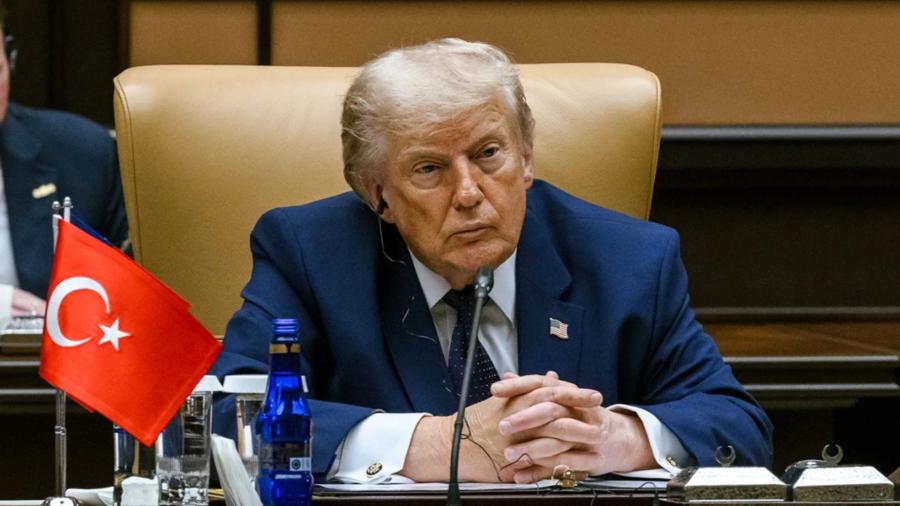
In the scorching heat of a Washington summer, a bombshell dropped, shattering the fragile calm of the nation's capital. The Axios report, a scoop that had been simmering in the shadows, burst forth like a wildfire, engulfing the corridors of power and igniting a maelstrom of controversy. At the epicenter of this storm was none other than the enigmatic US President Donald Trump, who stood defiant, his words dripping with disdain and his tone laced with venom. The Axios report, a carefully crafted exposé, alleged that Trump had offered Iran a tantalizing proposition: in exchange for a meeting, he would unfreeze a whopping $1 billion in Iranian assets, a move that would have sent shockwaves through the region and upended the delicate balance of power. The report's authors, Jonathan Swan and Alayna Treene, had woven a intricate tapestry of sources and evidence, leaving little doubt that the president's words and actions were more than just mere rhetoric.
But Trump was having none of it. In a blistering statement, he dismissed the report as a "hoax," a fabrication concocted by his enemies to undermine his authority and embarrass him on the world stage. The president's denial was met with skepticism by many, who pointed out the inconsistencies in his account and the contradictions between his words and actions. For months, Trump had been touting his "maximum pressure" campaign against Iran, a policy aimed at crippling the regime's economy and forcing it to the negotiating table. But the Axios report suggested that, behind closed doors, Trump was willing to make concessions, to offer the Iranians a lifeline in exchange for a meeting. The implications were profound, and the fallout was immediate.
As the news spread like wildfire, the White House was thrown into chaos. Trump's aides scrambled to contain the damage, to downplay the significance of the report and deflect attention from their boss's alleged offer. But it was too late. The genie was out of the bottle, and the story was too big to be contained. The media was abuzz, with pundits and analysts dissecting every aspect of the report and speculating about its implications. On Capitol Hill, lawmakers were calling for answers, demanding to know whether Trump had indeed offered Iran a deal and, if so, what the terms of that deal might have been. The president's denial was met with incredulity by many, who saw it as a classic case of "deny, deflect, and distract."
At the heart of this maelstrom was the complex and often fraught relationship between the United States and Iran. For decades, the two nations had been locked in a bitter struggle, with the US imposing sanctions and Iran responding with defiance. But in recent months, the situation had taken a dramatic turn, with the two sides engaging in a war of words and a series of provocative military maneuvers. The Axios report suggested that, behind the scenes, Trump was willing to take a different approach, to engage with Iran in a bid to negotiate a deal. But what exactly was on the table, and what were the terms of the proposed agreement?
As the story unfolded, it became clear that the stakes were high and the players were many. The Iranians, led by the enigmatic President Hassan Rouhani, were wary of the US, sensing that the Trump administration's words were not to be trusted. But at the same time, they were desperate for a way out, for a way to alleviate the economic suffering of their people and to avoid further conflict with the US. The Europeans, led by France and Germany, were eager to play a role in mediating the dispute, to use their influence to bring the two sides together. And then there were the Saudis and the Israelis, who were strongly opposed to any deal with Iran, seeing it as a threat to their own security and interests.
The Axios report had sparked a firestorm, but it was just the beginning. As the story continued to unfold, it became clear that the real battle was not between the US and Iran, but between Trump and his critics, between those who saw the president as a master strategist and those who saw him as a reckless and impulsive leader. The stakes were high, and the consequences of failure were dire. But as the world watched, transfixed, it was clear that this was a story that was far from over.
Also Read
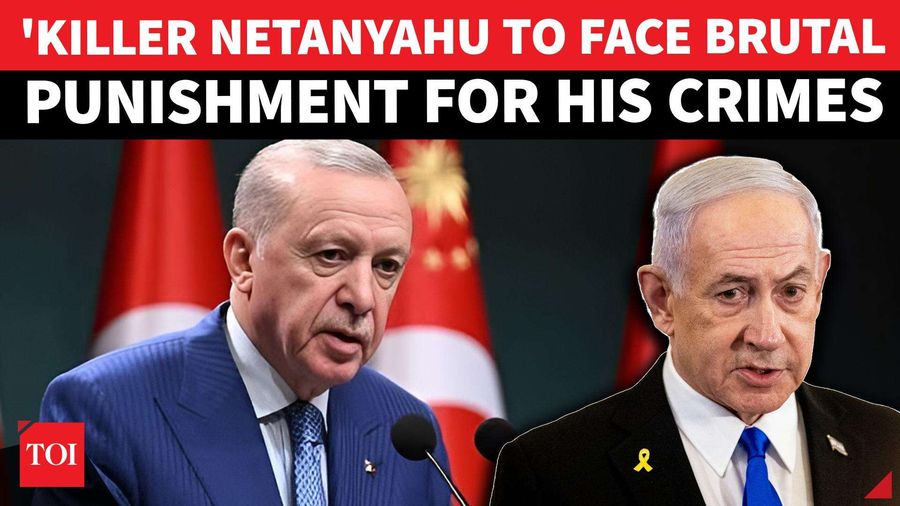
गाजा में मृत्यु के लिए इजराइल के खिलाफ तुर्की की नीति से नहीं हटेगा
तुर्की के राष्ट्रपति रेसेप तैयप एर्दोगन ने घोषणा की है कि उनका देश गाजा पर अपना रुख नहीं बदलेगा और जिन लोगों को वह अपराधों के खिलाफ दानवता के अपराध में शामिल मानते हैं, उन्हें जिम्मेदार ठहराया जाएगा। उन्होंने कहा कि तुर्की गाजा में मारे गए लोगों के लिए आवाज
The Axios report had sent shockwaves through the nation's capital, but it was just the tip of the iceberg. As the story continued to unfold, it became clear that the implications were far-reaching and the consequences were profound. The report had sparked a renewed diplomatic effort, with the Europeans and the Iranians engaging in secret talks aimed at negotiating a deal. But what exactly was on the table, and what were the terms of the proposed agreement?
Experts say that the report's allegations, if true, would have significant implications for the region. "If Trump offered Iran a deal, it would be a major shift in policy," said Dr. Robert Malley, a leading expert on Iran and Middle East affairs. "It would suggest that the administration is willing to engage with Iran in a more constructive way, to use diplomacy to resolve the conflict rather than relying on coercion and sanctions." But others were more skeptical, pointing out that the report's sources were not named and the evidence was circumstantial. "We need to be careful not to jump to conclusions," said Dr. Gary Sick, a former member of the National Security Council. "We need to see more evidence before we can say for sure what happened."
The reaction from Capitol Hill was immediate and intense. Lawmakers were calling for answers, demanding to know whether Trump had indeed offered Iran a deal and, if so, what the terms of that deal might have been. The Democrats, led by Speaker Nancy Pelosi, were quick to pounce on the report, seeing it as evidence of Trump's recklessness and impulsive nature. "This report is just the latest example of Trump's erratic behavior," said Pelosi. "He is willing to make deals with anyone, anytime, without thinking through the consequences." But the Republicans were more cautious, with many defending Trump's actions and questioning the report's credibility.
As the story continued to unfold, it became clear that the real battle was not between the US and Iran, but between Trump and his critics. The president's denial was met with skepticism by many, who pointed out the inconsistencies in his account and the contradictions between his words and actions. But Trump remained defiant, refusing to back down and insisting that the report was a "hoax." The implications of the story were far-reaching, with many seeing it as a test of Trump's leadership and his ability to navigate the complexities of international diplomacy.
The socio-economic impact of the story was also significant, with many analysts warning of the potential consequences of a deal with Iran. "A deal with Iran would have significant implications for the region," said Dr. Vali Nasr, a leading expert on Middle East affairs. "It would open up new opportunities for trade and investment, but it would also create new risks and challenges." But others were more optimistic, seeing the report as a sign of progress and a potential breakthrough in the conflict.
As the world watched, transfixed, it was clear that this was a story that was far from over. The Axios report had sparked a firestorm, but it was just the beginning. The real battle was only just beginning, and the consequences of failure were dire. But as the nation's capital held its breath, it was clear that this was a story that would continue to unfold, with far-reaching implications for the US, Iran, and the world.