NRIs demand stronger laws, speedier justice from Punjab government
"Punjabis living abroad are demanding greater protection for their properties and faster resolution of disputes in Punjab. They are calling for the reappointment of NRI Lambardars to oversee properties and prevent disputes, as well as increased powers for NRI police stations and the revival of NRI courts. A dedicated NRI
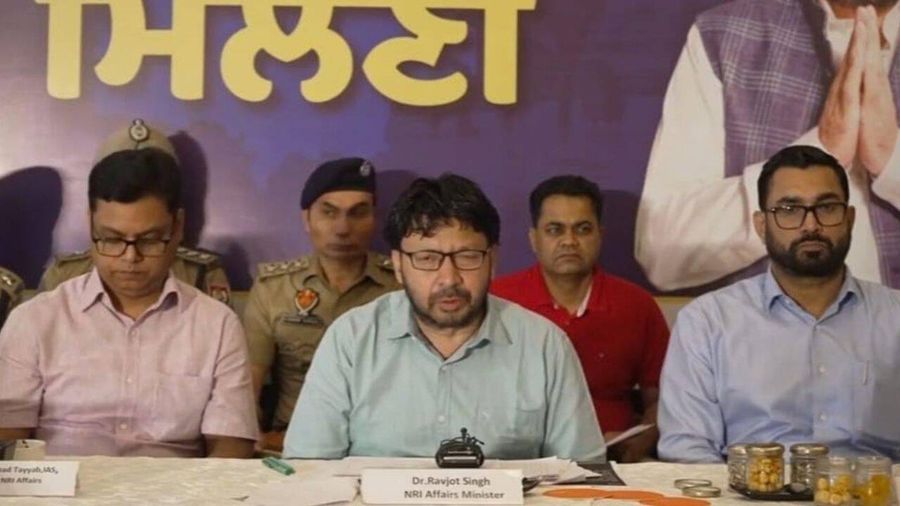
The diaspora's cry for justice resonates through the corridors of power in Punjab, where NRIs, or Non-Resident Indians, are demanding stronger laws and speedier justice for their properties and disputes. It's a cry that echoes through the streets of Chandigarh, where the Punjab government's administration is grappling with the complexities of catering to the needs of a restless and dispersed community. For NRIs like Rohan Kaur, who has spent decades cultivating a thriving business empire in the United Kingdom, the wait for justice has been a long and arduous one.
Rohan's journey began in the early 1990s, when she first set foot in the UK, armed with little more than a suitcase full of dreams and a fierce determination to succeed. From humble beginnings as a sales assistant in a small electronics store, Rohan rose through the ranks to become one of the leading figures in the British Indian community, with a string of successful businesses and investments spanning the country. But despite her success, Rohan's connection to her homeland remains strong, and she has always been keenly aware of the importance of protecting her properties and interests in Punjab.
However, Rohan's experiences with the Punjab government have been far from satisfactory. Like many NRIs, she has faced numerous challenges in resolving disputes and protecting her properties, including lengthy delays, lack of transparency, and a general sense of disconnection from the administration. Rohan's frustrations have been compounded by the lack of a dedicated mechanism for addressing the specific needs of NRIs, who are scattered across the globe and often find themselves at a disadvantage when dealing with the complexities of Indian law.
As Rohan navigated the treacherous waters of Punjab's bureaucracy, she began to realize that she was not alone in her struggles. Other NRIs were facing similar challenges, and a growing sense of discontent was simmering beneath the surface. It was against this backdrop that Rohan, along with a small group of like-minded individuals, decided to take action. They formed a coalition of NRIs, united by their shared experiences and determination to demand change.
The coalition's first major demand was the reappointment of NRI Lambardars, or village headmen, who were once responsible for overseeing properties and preventing disputes among NRIs. However, the Lambardari system had been discontinued in the 1990s, and NRIs were left to fend for themselves in the face of mounting disputes and property-related issues. The coalition argued that the revival of the Lambardari system would provide a much-needed layer of protection for NRIs and help to prevent disputes from escalating.
The coalition's second major demand was for increased powers for NRI police stations, which were often understaffed and under-equipped to deal with the complex issues facing NRIs. The coalition argued that NRI police stations should be empowered to handle disputes and property-related issues independently, without needing to rely on the Punjab government's administration. This would not only speed up the resolution of disputes but also provide NRIs with greater confidence in the administration's ability to protect their interests.
The coalition's third and final demand was for the revival of NRI courts, which were once dedicated to handling disputes and property-related issues among NRIs. The coalition argued that the revival of NRI courts would provide a specialized forum for NRIs to resolve their disputes, free from the complexities and delays associated with the Punjab government's administration. This would not only provide NRIs with greater access to justice but also help to prevent disputes from escalating into full-blown crises.
As the coalition's demands began to gain traction, they were met with a mixture of resistance and reluctance from the Punjab government. Some officials argued that the coalition's demands were unrealistic and that the administration was already doing its best to cater to the needs of NRIs. Others claimed that the coalition's demands would require significant changes to the existing system and would be difficult to implement.
Despite the initial resistance, the coalition's demands continued to gain momentum, with NRIs from across the globe rallying behind their cause. The Punjab government was eventually forced to take notice, and a series of meetings were convened to discuss the coalition's demands. The outcome of these meetings was far from clear, but one thing was certain: the NRIs would not rest until their demands were met.
As Rohan looked out over the sprawling cityscape of Chandigarh, she couldn't help but feel a sense of pride and determination. For NRIs like her, the fight for justice was never just about winning a battle – it was about creating a better future for themselves and their communities. The journey ahead would be long and arduous, but Rohan was confident that the NRIs would emerge victorious in the end.
Also Read

एसएससी सीजीएल टियर 1 हॉल टिकट 2026 रिलीज़ होने की तारीख जानने के लिए यहां क्लिक करें
सीएससी सीजीएल परीक्षा के लिए एडमिट कार्ड जल्द ही जारी होने की संभावना है। परीक्षा के शहर और स्लिप स्थिति की जांच के लिए, परीक्षा तिथियों और अनुमानित जारी होने की तिथि की जांच के लिए आधिकारिक वेबसाइट पर जाएं। एडमिट कार्ड डाउनलोड करने के लिए, अपना रजिस्टर्ड ईमेल पता
The reappointment of NRI Lambardars, increased powers for NRI police stations, and the revival of NRI courts are just a few of the demands being made by NRIs in Punjab. But what does this mean for the Punjab government, and how will it impact the state's administration? According to experts, the demands are not only a reflection of the NRIs' growing frustration with the administration but also a testament to their determination to shape their own destiny.
Dr. Jagroop Singh, a leading expert on Punjab's administration, believes that the NRIs' demands are a wake-up call for the government. "The NRIs are not just demanding changes to the system – they are demanding a new way of doing things," he says. "They want to see a more efficient, more effective, and more transparent administration that is responsive to their needs. The government needs to listen to their demands and work towards creating a system that is more inclusive and more representative of the NRIs' interests."
One of the key challenges facing the Punjab government is the lack of a dedicated mechanism for addressing the specific needs of NRIs. The government has traditionally relied on a patchwork of laws and regulations to deal with NRIs, but this has often led to confusion, delays, and a general sense of disconnection from the administration. According to Dr. Singh, the government needs to create a more comprehensive framework for dealing with NRIs, one that takes into account their unique needs and circumstances.
The revival of NRI courts is another critical aspect of the NRIs' demands. According to experts, the NRI courts were once a vital institution for resolving disputes and property-related issues among NRIs. However, the courts were eventually discontinued, and NRIs were left to fend for themselves in the face of mounting disputes. Dr. Singh believes that the revival of NRI courts would provide a much-needed layer of protection for NRIs and help to prevent disputes from escalating.
The increased powers for NRI police stations are also a key aspect of the NRIs' demands. According to experts, the NRI police stations are often understaffed and under-equipped to deal with the complex issues facing NRIs. The coalition is demanding that the police stations be empowered to handle disputes and property-related issues independently, without needing to rely on the Punjab government's administration. Dr. Singh believes that this would not only speed up the resolution of disputes but also provide NRIs with greater confidence in the administration's ability to protect their interests.
The Punjab government's response to the NRIs' demands has been mixed, with some officials arguing that the demands are unrealistic and that the administration is already doing its best to cater to the needs of NRIs. However, others believe that the government needs to take a more proactive approach to addressing the NRIs' concerns. According to Dr. Singh, the government needs to work towards creating a more inclusive and representative administration that is responsive to the needs of all its citizens, including NRIs.
The socio-economic impact of the NRIs' demands is also significant. According to experts, the NRIs' demands are not just about winning a battle – they are about creating a better future for themselves and their communities. The revival of NRI courts, increased powers for NRI police stations, and the reappointment of NRI Lambardars would not only provide NRIs with greater access to justice but also help to boost the state's economy. According to Dr. Singh, the NRIs' demands have the potential to unlock significant economic benefits for the state, including increased investment, job creation, and economic growth.
The future outlook for the NRIs' demands is uncertain, but one thing is clear: the NRIs will not rest until their demands are met. According to Dr. Singh, the government needs to work towards creating a more inclusive and representative administration that is responsive to the needs of all its citizens, including NRIs. The outcome of the NRIs' demands will be a test of the Punjab government's commitment to creating a more just and equitable society for all its citizens.