Shiv Sena leverages Savarkar references in Sonia Gandhi's book
Shiv Sena has highlighted references to Savarkar within Sonia Gandhi's book. This move is part of the ongoing political discourse surrounding the content and its implications.
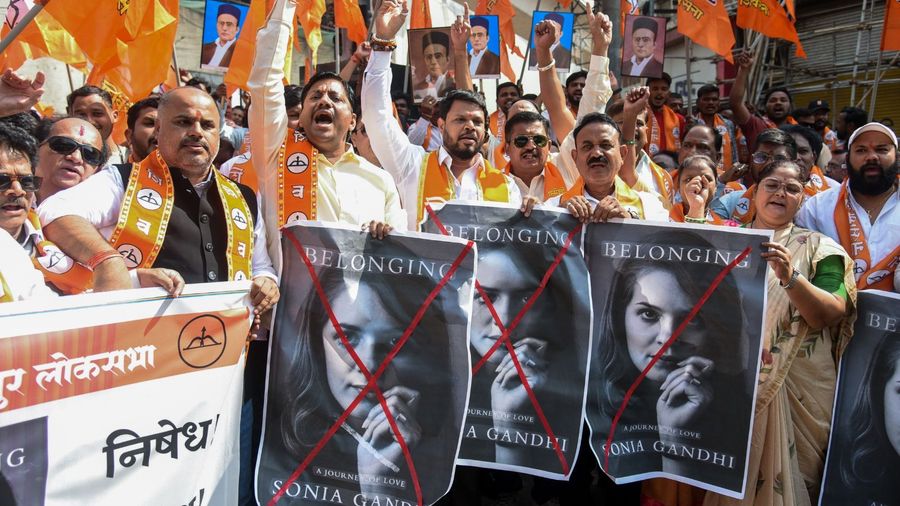
The Shiv Sena has recently amplified references to V.D. Savarkar found within a book authored by Sonia Gandhi, drawing significant political attention to the matter. This focus comes amidst a heightened national debate concerning historical narratives and the interpretation of key figures in India's past. The specific excerpts highlighted by the party have been framed within a broader political contestation regarding ideological stances and regional identity.
To understand the current discourse, it is necessary to contextualize the ongoing political climate where historical interpretations are frequently mobilized for electoral gain. Savarkar, a complex and often controversial figure, remains a subject of intense debate across the political spectrum in India. The selection and emphasis of his references by the Shiv Sena are not merely academic; they are tactical moves designed to resonate with specific voter bases and challenge prevailing political narratives.
The impact of this political highlighting extends beyond mere political rhetoric. It fuels a deeper conversation about the inclusion and representation of diverse historical viewpoints in public discourse, particularly within politically significant publications. For the Shiv Sena, leveraging these references serves to solidify its position within a segment of the electorate that views certain historical interpretations as crucial to regional or national sentiment.
This episode underscores the way personal and historical texts become battlegrounds in contemporary Indian politics, transforming literary content into potent political ammunition. The focus remains sharply fixed on how these specific references are being utilized to shape public opinion rather than solely on the content of the book itself.
Also Read
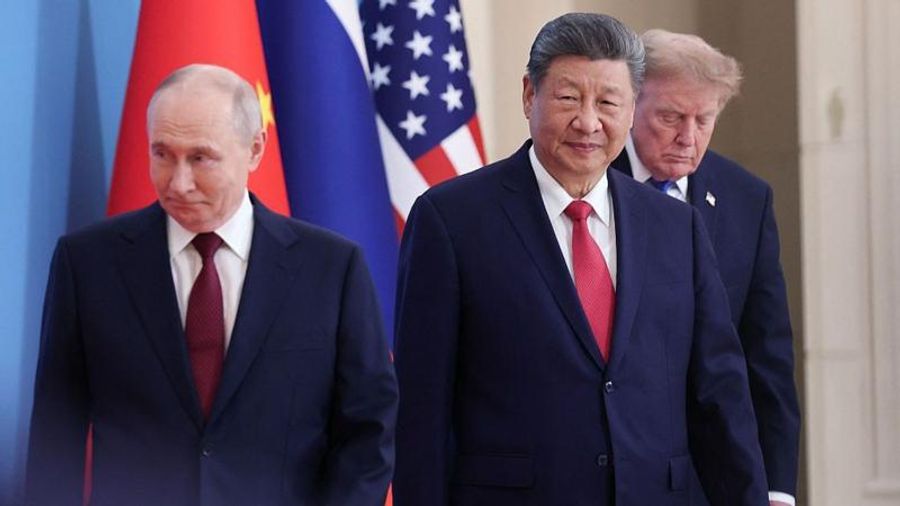
एपीईसी समिट में शी जिनपिंग और पुतिन के बीच हुई चर्चा का विवरण
शी जिनपिंग ने ट्रंप का स्वागत पुतिन से भिन्न तरीके से किया। दोनों राष्ट्रपतियों के स्वागत में आए इस अंतर को विभिन्न दृष्टिकोणों से देखा जा रहा है।
The significance of Shiv Sena drawing attention to Savarkar references within Sonia Gandhi's published work lies in its strategic attempt to frame the discussion within the polarized ideological landscape of contemporary Indian politics. This focus shifts the narrative from the book's broader themes to a specific historical and political association, thereby engaging a segment of the electorate sensitive to Hindutva discourse. The move is less about the content of the book itself and more about leveraging a contentious historical figure to mobilize a particular political base and challenge the established narrative within the Congress party.
The possible impact of this political maneuver is multifaceted. It contributes to the ongoing ideological contest between regional and national political forces, potentially deepening existing political fault lines rather than fostering constructive dialogue on the book's subject matter. For the political parties involved, it serves as a tool for internal messaging and external positioning, reinforcing distinct voter bases through carefully selected talking points rather than substantive policy debate.
Looking ahead, the crucial element to watch is the response from the Congress leadership and the broader political reaction from other national parties. Whether this specific reference escalates into a sustained political campaign or remains a localized talking point will determine its long-term influence. Furthermore, the public and academic commentary on the book's actual content, independent of the Savarkar references, will provide a more balanced gauge of its overall reception within the country.