Wedding season causes traffic congestion in South Delhi and Gurugram
Wedding season traffic is significantly impacting South Delhi and Gurugram. Commuters are advised to check alternative routes to navigate congestion effectively.
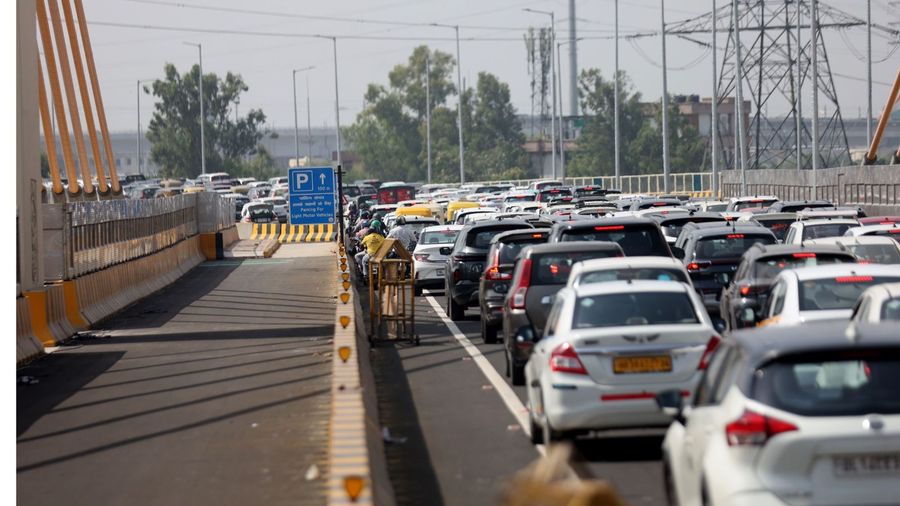
The ongoing wedding season has led to a noticeable and significant increase in traffic congestion across South Delhi and Gurugram, presenting a daily challenge for commuters navigating these major urban corridors. The heightened movement is directly attributable to the large number of wedding functions, ceremonies, and associated guest movements occurring across both regions, placing unprecedented strain on existing road infrastructure and traffic management systems.
South Delhi, with its concentration of high-end venues and established residential areas, experiences peak congestion around key arteries, while Gurugram, a burgeoning corporate and residential hub, sees similar bottlenecks, particularly near popular event locations. This surge is not limited to weekends; increased movement during weekdays, especially during evening hours when functions conclude, is exacerbating the daily commute difficulties for residents and professionals alike.
The impact extends beyond mere delays; it affects daily productivity, increases fuel consumption, and raises public frustration levels. Local traffic police departments have acknowledged the situation, advising residents and travelers to exercise patience and plan journeys strategically.
Authorities are strongly recommending that commuters actively check real-time traffic updates before venturing out. Utilizing alternative, less-trafficked routes, even if slightly longer, is being advised as the most effective measure to circumvent the severe congestion currently plaguing South Delhi and Gurugram during this festive period.
Also Read

सूर्याचा जय शाह द्रविड गंभीर यांचा उल्लेख करणारा मध्यरात्रीचा पोस्ट
सूर्यकुमार यादवने मध्यरात्री एक पोस्ट शेअर केली. या पोस्टमध्ये त्याने चार खेळाडूंच्या नावांचा उल्लेख केला आहे.
The persistent surge in wedding-related traffic across South Delhi and Gurugram signals more than just temporary inconvenience; it highlights the strain on existing urban infrastructure during peak social seasons. These high-volume, localized traffic spikes put considerable pressure on arterial roads and secondary routes, often overwhelming the capacity designed for routine commuter flows. The concentration of events in specific hubs exacerbates bottlenecks, affecting not only wedding attendees but also daily commuters, essential service providers, and local businesses reliant on timely movement.
The potential impact extends beyond mere delays. Increased congestion contributes to elevated air and noise pollution levels in these densely populated areas. Furthermore, the unpredictability of wedding-related traffic makes journey planning unreliable for professionals and students alike, potentially affecting productivity and daily routines across the NCR region. Local authorities are continuously monitoring key choke points to manage emergency access and maintain essential service flow despite the festive influx.
Moving forward, the focus remains on adaptive traffic management rather than purely reactive measures. Commuters are strongly advised to utilize real-time navigation applications to identify less congested alternative routes tailored to their specific travel needs, rather than relying on fixed, familiar paths. Authorities are expected to continue deploying traffic personnel at known high-density zones and potentially adjust localized parking and movement restrictions around major event venues throughout the peak wedding months.
What to watch next is the sustained coordination between local police, municipal bodies, and navigation service providers. Any proactive announcement regarding temporary road diversions or enhanced public transport scheduling specifically targeting wedding routes would be a key indicator of systemic response. Continued adherence to official traffic advisories remains the most effective strategy for minimizing disruption during this high-demand period.