California Train Heist Bust: Air Brake Tampering and Stash Houses Linked to $22.5M Theft
California authorities busted a $22.5 million train heist, uncovering evidence of tampered air brakes and hidden stash houses. The operation successfully dismantled the criminal network involved in the high-value theft.
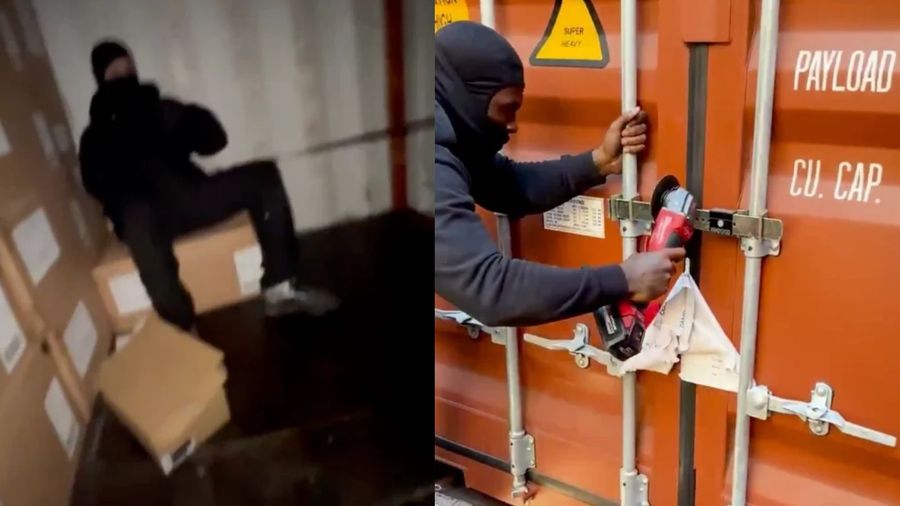
California law enforcement agencies have successfully dismantled a sophisticated criminal network following the bust of a $22.5 million train heist. The operation, which uncovered evidence of deliberately tampered air brakes on the stolen rolling stock, highlights the technical planning involved in this high-value theft. The recovered assets and evidence point to a well-organized group capable of executing complex logistical operations targeting freight transport across the state.
The background to this incident involves the targeted theft of high-value cargo from a moving train. Initial investigations revealed that the criminals had not only executed the theft but also compromised the safety systems of the equipment, specifically by tampering with the air brakes. This deliberate modification suggests an intent to bypass standard safety protocols during the illicit movement of the stolen goods, posing significant risks not only to the cargo but also to public rail safety.
Further complicating the investigation, authorities uncovered multiple hidden stash houses across the region. These locations were used to temporarily store the stolen merchandise before its dispersal or sale. The discovery of these caches provided critical evidence linking the physical theft to the organized network, allowing investigators to map the entire operation from the point of theft to the point of storage.
The successful dismantling of this network represents a major victory against organized property crime in California. The recovery of the $22.5 million in stolen goods, coupled with the evidence of safety system tampering and the identification of the stash houses, allows authorities to pursue charges against the involved individuals, aiming to disrupt similar high-stakes freight thefts in the future and reinforce the security of the state's vital rail infrastructure.
Also Read

भाजपा आमदार रेखा पात्रांची विषबाधा; आरोग्यमंत्र्यांनी घेतली भेट
भाजपा आमदार रेखा पात्रांची प्रकृती चिंताजनक असून, त्यांना विषबाधा झाल्याची प्राथमिक माहिती मिळाली आहे. आरोग्यमंत्र्यांनी तातडीने भेट घेऊन त्यांच्या प्रकृतीची चौकशी केली.
The discovery of tampered air brakes in connection with the $22.5 million train heist underscores a grave threat to rail safety across the state and beyond. This method of sabotage indicates a level of premeditation and technical knowledge within the criminal operation, moving beyond simple theft to endanger public infrastructure and lives. The presence of stash houses further illuminates the organized nature of the syndicate, suggesting established logistical networks for storing and distributing stolen high-value goods, rather than opportunistic, isolated crimes.
The potential impact of this bust extends beyond the immediate financial loss. It signals a concerted effort by law enforcement to dismantle sophisticated, multi-layered criminal enterprises operating within critical transportation corridors. For the rail industry, this necessitates a review of security protocols, inspection procedures, and maintenance checks to prevent similar tampering incidents. Furthermore, it places increased scrutiny on supply chain security for high-value cargo moving through California’s rail network.
Moving forward, authorities are expected to focus on tracing the ultimate beneficiaries of the stolen assets and identifying all associated network members, not just those apprehended in the initial bust. Investigations will likely concentrate on financial trails to map the distribution of the $22.5 million. Stakeholders, including state transportation departments and federal agencies, will monitor the ongoing legal proceedings to assess the full scope of the criminal conspiracy and implement preventative measures against future high-value cargo theft.