Mumbai Air Quality Deteriorates; Civic Body Delays Construction Ban Implementation
Mumbai air quality is reaching toxic levels, prompting public concern over pollution. Questions remain regarding why the civic body has not implemented a necessary construction ban despite the deteriorating air conditions.
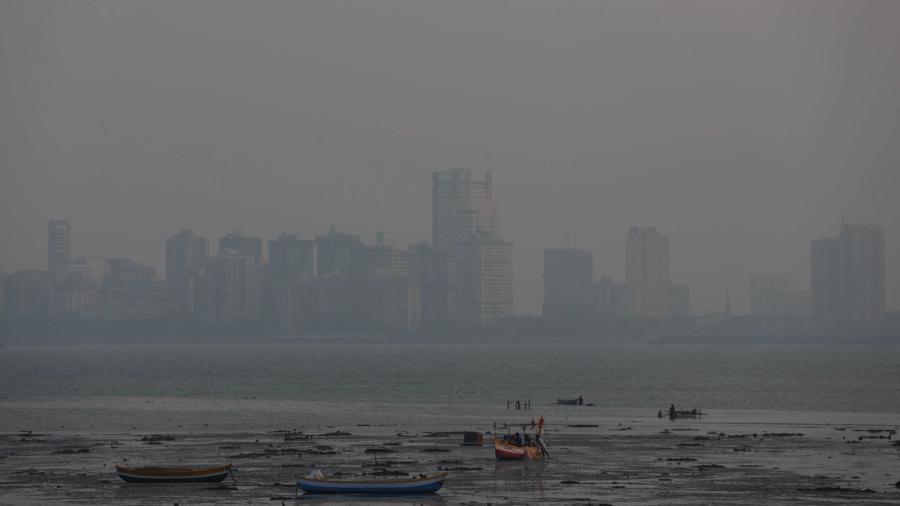
Mumbai's air quality has been registering alarmingly high levels of pollutants, pushing the city into consistently toxic air quality categories over recent weeks, triggering widespread public health concerns across densely populated areas. Residents and environmental groups have documented sharp deteriorations in air quality, directly correlating with peak construction activity across the metropolis, from infrastructure projects to residential developments. The sustained poor air quality poses significant risks, including respiratory illnesses, cardiovascular problems, and long-term health complications for millions of Mumbaikars.
The core of the public outcry centers on the apparent inaction of the municipal civic body. Despite the documented toxic levels and the scientific consensus linking construction dust, vehicular emissions, and industrial activity to the poor air, there has been no definitive, enforced, or comprehensive construction ban implemented to curb immediate pollution spikes. Previous advisories have often been advisory rather than regulatory, failing to provide the necessary stringent control mechanisms needed during critical pollution episodes.
This hesitation from the civic body has fueled intense scrutiny regarding policy enforcement and prioritization. While the city requires ongoing development, the immediate health crisis demands decisive regulatory action. The background context reveals a long-standing tension between rapid urban expansion and environmental sustainability in Mumbai. Past attempts at regulation have often faced challenges related to enforcement capacity, jurisdictional overlaps between various agencies, and the sheer scale of ongoing development.
The lack of a firm construction ban, even a temporary one during severe pollution alerts, raises serious questions about the civic body's commitment to public health over development timelines. Stakeholders are now demanding transparent data on pollution sources, a clear timeline for regulatory intervention, and immediate, enforceable measures to mitigate the toxic air that is currently impacting the lives of Mumbai's citizens.
Also Read

ट्रम्पचा टॅरिफ प्लॅन: भारतावर परिणाम संभाव्य, अनेक देश संकटात
डोनाल्ड ट्रम्प नवीन टॅरिफ योजनेवर विचार करत आहेत. महागाई वाढल्याने जागतिक बाजारावर परिणाम होत असून, अमेरिकेची मोठी घोषणा कधीही होऊ शकते.
The persistence of construction activity amidst critically poor air quality in Mumbai raises significant concerns about public health and regulatory efficacy. Construction dust, vehicular emissions, and industrial pollutants combine to create an atmosphere that poses documented respiratory risks to the densely populated urban environment. The failure to enforce a comprehensive construction ban, despite meteorological data confirming toxic air indices, suggests a potential gap between environmental mandates and on-ground implementation by the civic body. This inaction directly impacts vulnerable populations, including children, the elderly, and individuals with pre-existing respiratory ailments, escalating the public health burden in the city.
The potential impact of this continued pollution is multifaceted. Beyond immediate respiratory distress, prolonged exposure to fine particulate matter is linked to long-term cardiovascular and pulmonary diseases, placing a substantial strain on the city's healthcare infrastructure. Economically, poor air quality diminishes the quality of life and can affect tourism and productivity. The civic body's hesitation to implement a ban, if rooted in logistical challenges or economic considerations related to ongoing projects, requires transparent justification to balance developmental needs against immediate environmental imperatives.
Moving forward, scrutiny must focus on the enforcement mechanisms and the timeline for decisive action. Stakeholders, including environmental monitoring agencies and public health departments, need to provide clear data on the threshold levels that mandate a construction halt and the rationale behind the current policy stance. What to watch next is the official response detailing the specific mitigation measures being enforced—such as mandated dust suppression, site enclosure, and adherence to permissible working hours—and whether a phased, enforceable construction moratorium will be announced based on sustained toxic readings, rather than merely advisory warnings.