Maharashtra Cracks Down on Spice Trade, Bans Loose Spices & Ethylene Oxide Sterilisation
In a bid to curb adulteration, the Maharashtra Food and Drug Administration (FDA) has enforced a ban on the sale of loose and unpacked spice powders and mixed spices across the state. As of now, manufacturers must package and seal their products at the point of production, ensuring the quality
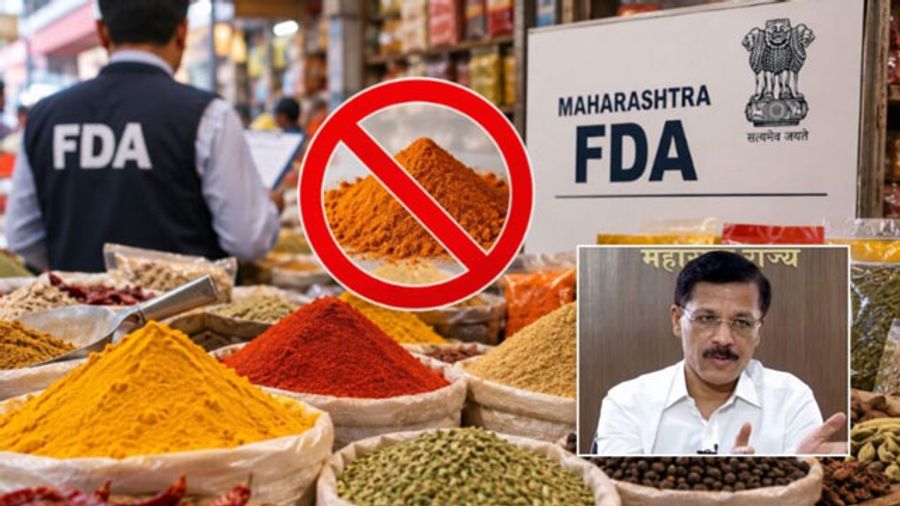
The aroma of deceit wafted through the bustling streets of Mumbai's spice markets, where merchants peddled their wares in a game of cat and mouse with the Maharashtra Food and Drug Administration (FDA). For years, the agency had been waging a war against adulteration, a scourge that had infested the spice trade, leaving consumers to wonder if the chili powder they sprinkled over their curries was actually a concoction of sawdust and artificial colorants. The FDA had been hot on the heels of rogue manufacturers, but the culprits always seemed to stay one step ahead, their illicit operations hidden behind a veil of secrecy. That was until last week, when the FDA dropped a bombshell, announcing a blanket ban on the sale of loose and unpacked spice powders and mixed spices across the state. The move was seen as a major victory for consumers, but it also sent shockwaves through the industry, leaving many to wonder if the ban was a draconian measure or a necessary evil.
The spice trade in Maharashtra is a multi-billion dollar industry, with the state accounting for nearly a quarter of India's spice production. The sector provides employment to millions of people, from small-time farmers to manufacturers, wholesalers, and retailers. However, the business has long been plagued by adulteration, which is estimated to cost the industry over Rs 1,000 crore annually. The problem is not just limited to spices; other food products, such as pulses and cereals, have also been found to be contaminated with substandard ingredients. The FDA had been trying to tackle the issue for years, but the complexity of the supply chain and the lack of transparency in the industry made it a daunting task. The agency had been conducting regular raids and seizures, but the offenders always seemed to find a way to wriggle out of trouble.
The FDA's decision to ban loose spices was taken after a series of high-profile cases of adulteration came to light. In 2020, a major spice manufacturer was caught selling chili powder laced with sawdust and artificial colorants. The company was fined Rs 50 lakh and its products were recalled from the market. However, the incident highlighted the ease with which adulteration could occur, even in the most reputable of brands. The FDA realized that the only way to ensure the quality of spices was to introduce stricter regulations. The ban on loose spices was seen as a bold move, but many in the industry felt that it would lead to a significant increase in costs, making spices unaffordable for the common man.
As the news of the ban spread, merchants and traders in the spice markets were caught off guard. Many had been selling loose spices for decades, and the sudden change in regulations left them scrambling to adjust. Some expressed concerns that the ban would lead to a shortage of spices, while others felt that it was a welcome move that would ensure the quality of the products. "We had no idea that the FDA was planning to introduce such a drastic measure," said Ramesh, a spice merchant from the famous Crawford Market in Mumbai. "We are worried that the ban will affect our business, but at the same time, we understand the need for stricter regulations."
The ban has also raised questions about the use of ethylene oxide sterilization, a method used to kill bacteria and extend the shelf life of spices. The FDA has expressed concerns that the process can lead to the formation of carcinogenic compounds, which can be detrimental to human health. The agency has asked manufacturers to switch to alternative methods, such as steam sterilization, but many have expressed reservations about the cost and feasibility of the new process.
As the spice trade in Maharashtra continues to grapple with the new regulations, consumers are eagerly waiting to see if the ban will lead to a marked improvement in the quality of spices. The FDA has promised to conduct regular inspections and testing to ensure compliance with the new rules. However, many are skeptical about the agency's ability to enforce the ban effectively, given the vastness of the spice market and the complexity of the supply chain.
The ban has also sparked a debate about the role of the FDA in regulating the food industry. Some have questioned the agency's authority to impose such a drastic measure, while others have praised its efforts to protect consumer interests. The move has also highlighted the need for greater transparency and accountability in the industry, as well as the importance of educating consumers about the importance of quality and safety.
As the dust settles on the spice trade in Maharashtra, one thing is clear: the ban on loose spices is a significant step towards ensuring the quality of spices. However, it also raises important questions about the impact of the ban on small-time traders and consumers. Will the ban lead to a shortage of spices, or will it create new opportunities for innovative manufacturers? Only time will tell.
Also Read

AI Data Centre Deals Face Turbulent Times Amid Market Selloff and Rising Rates
A surge in interest rates and market volatility is casting a shadow over the booming demand for artificial intelligence (AI) data centre deals, as investors grow increasingly cautious about the sector's long-term prospects. Despite a recent spike in demand, the market selloff has led to a decline in deal valuations,
---
The FDA's decision to ban loose spices has sent shockwaves through the industry, but experts say that it is a necessary evil. "The ban is a welcome move that will help to curb adulteration and ensure the quality of spices," said Dr. Vinod Kumar, a food scientist at the Indian Institute of Technology (IIT) Mumbai. "However, the implementation of the ban will be a challenge, especially for small-time traders who may not have the resources to invest in new packaging equipment."
The ban has also raised questions about the use of alternative methods of sterilization, such as steam sterilization. While some experts say that steam sterilization is a more effective method, others argue that it is more expensive and may not be feasible for small-time manufacturers. "The FDA needs to provide more guidance on the use of alternative methods of sterilization," said Dr. Kumar. "The industry needs to be given a clear roadmap on how to implement the new regulations."
The ban has also sparked a debate about the role of the FDA in regulating the food industry. Some have questioned the agency's authority to impose such a drastic measure, while others have praised its efforts to protect consumer interests. "The FDA has a critical role to play in ensuring the safety and quality of food products," said Dr. Harsh Vardhan, a former Union Health Minister. "The ban on loose spices is a bold move that will help to protect consumers from adulteration."
The ban has also highlighted the need for greater transparency and accountability in the industry. "The industry needs to be more transparent about the sourcing of spices and the manufacturing process," said Dr. Kumar. "Consumers have a right to know what they are buying, and the industry needs to provide them with accurate information."
The ban has also raised questions about the impact of the ban on small-time traders and consumers. Will the ban lead to a shortage of spices, or will it create new opportunities for innovative manufacturers? Only time will tell. However, one thing is clear: the ban on loose spices is a significant step towards ensuring the quality of spices, and it has the potential to transform the industry in a positive way.
The ban has also sparked a debate about the use of technology to ensure the quality of spices. Some experts say that technology can play a crucial role in detecting adulteration, while others argue that it is not a silver bullet. "Technology can help to detect adulteration, but it is not a substitute for good manufacturing practices," said Dr. Kumar. "The industry needs to adopt a multi-faceted approach to ensuring the quality of spices."
The ban has also raised questions about the impact of the ban on the economy. Will the ban lead to a loss of jobs, or will it create new opportunities for employment? Only time will tell. However, one thing is clear: the ban on loose spices is a significant step towards ensuring the quality of spices, and it has the potential to transform the industry in a positive way.
The FDA's decision to ban loose spices has sent shockwaves through the industry, but experts say that it is a necessary evil. The ban has the potential to transform the industry in a positive way, but it also raises important questions about the impact of the ban on small-time traders and consumers. Will the ban lead to a shortage of spices, or will it create new opportunities for innovative manufacturers? Only time will tell.