Kolkata Kathi Roll: Origin and Culinary Profile Detailed
Kolkata's kathi roll is renowned for its irresistible flavour, a culinary staple of the city. This report explores the origins and unique characteristics behind the popular street food's name.
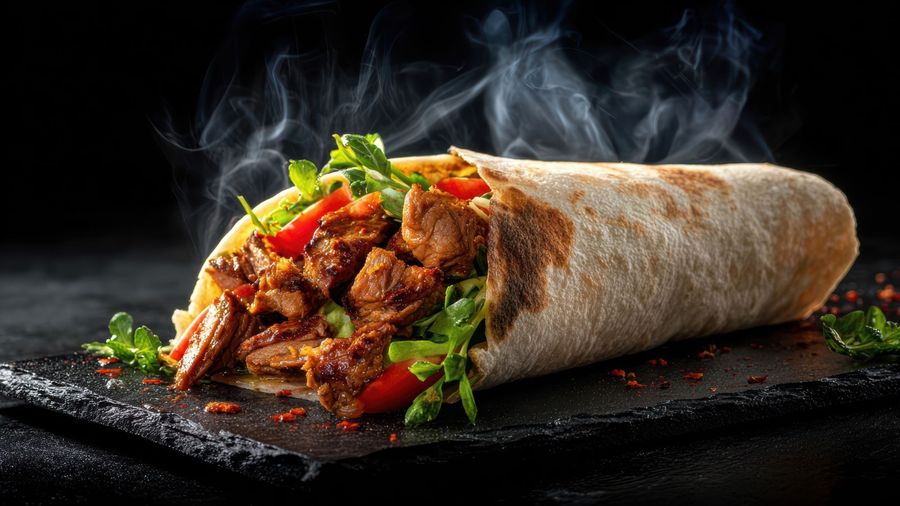
The kathi roll, a culinary icon of Kolkata, transcends its status as mere street food; it is a flavourful narrative woven into the fabric of the city's street life. Renowned across the region for its distinct and irresistible taste, this wrapped delicacy has become a quintessential part of the Bengali culinary experience, enjoyed by locals and visitors alike from bustling avenues to quiet corners. Its popularity is not accidental but rooted in a unique combination of preparation and ingredients that set it apart from similar rolls found elsewhere.
The origin of the name 'kathi' is often traced back to the skewers or rods used in the preparation process. Traditionally, the marinated meat, whether chicken, mutton, or paneer, is cooked on a vertical skewer over a tandoor or similar heat source. This specific cooking method imparts a smoky depth and tenderness to the filling, which is then artfully wrapped in a soft, flaky paratha or roti along with crisp onions, tangy chutneys, and fresh coriander.
Beyond the name, the flavour profile of the Kolkata kathi roll is characterized by a perfect balance—spicy yet balanced, rich yet light. Its impact on the city’s food culture is profound; it fuels late-night cravings and serves as an accessible, high-quality meal for all socio-economic strata. As the city continues to evolve, the kathi roll remains a steadfast cultural touchstone, a delicious testament to Kolkata's vibrant, unpretentious culinary heritage, its flavour profile remaining consistently celebrated.
Also Read

कृषिमंत्र्यांचा फायनान्स कंपन्यांना इशारा, मुख्यमंत्र्यांची दखल
दुष्काळातही कंपन्यांकडून शेतकऱ्यांवर कर्जाच्या हप्त्यासाठी तगादा आणि छळ होत असल्याची तक्रारी दाखल झाल्या आहेत. या गंभीर बाबीवर दत्तात्रय भरणे यांनी महत्त्वपूर्ण विधान केले आहे.
The significance of the kathi roll extends beyond its delicious taste; it represents a unique confluence of culinary traditions within Kolkata, reflecting the city's vibrant street food culture. Its evolution showcases how simple ingredients, when prepared with regional finesse, can become a cultural icon, transcending mere sustenance to become a daily ritual for countless city dwellers. This dish is not just a meal but a tangible piece of Kolkata's gastronomic identity, drawing both local enthusiasts and food tourists alike.
The possible impact of this culinary staple is multifaceted. Economically, the street vendors who sell kathi rolls form a vital part of the informal urban economy, providing livelihoods to numerous individuals. Socially, it functions as a democratic food—accessible across various economic strata, serving as a common ground for diverse sections of the populace. Its enduring popularity suggests a deep-rooted cultural acceptance that is resilient to changing food trends.
Looking ahead, what to watch next involves the continued evolution of its preparation while maintaining authenticity. Future developments may see organized culinary ventures attempting to standardize quality without diluting the traditional flavour profile that gives the roll its renown. Attention should also be paid to how local food heritage initiatives support these traditional vendors, ensuring that the craft behind the kathi roll is preserved for generations to come, rather than being lost to modernization or commercial dilution.