Karnataka to host India's first sustainable coastal data centre near Mangaluru
Karnataka is set to host India's inaugural 'sustainable' coastal data centre near Mangaluru. This initiative aims to establish a green data infrastructure along the coast.
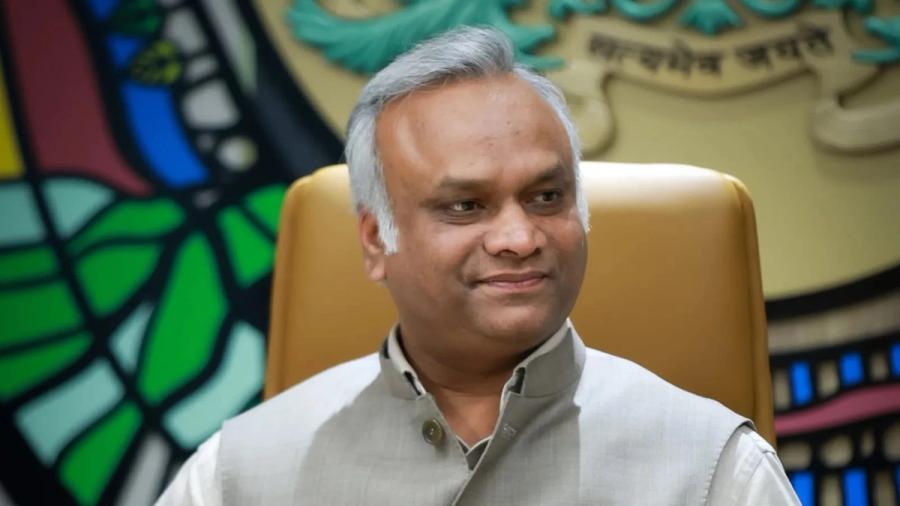
The state of Karnataka is moving to establish what is anticipated to be India's first 'sustainable' coastal data centre, strategically located near Mangaluru. This ambitious project signals a significant shift towards green digital infrastructure within the country, moving beyond conventional energy-intensive data centre models. The development aims not only to meet the burgeoning demand for data storage and processing across various sectors but also to align with national environmental sustainability goals by leveraging coastal resources responsibly.
The context for this initiative lies in the rapid digital transformation sweeping across India, which necessitates massive, reliable, and energy-efficient data hosting capabilities. Traditional data centres often face challenges related to high power consumption and localized environmental strain. By situating this facility along the coast, Karnataka plans to integrate renewable energy sources, potentially utilizing offshore wind or solar power, thereby minimizing the carbon footprint associated with data operations.
Mangaluru, with its existing infrastructure and coastal access, presents an ideal location for this pioneering venture. The establishment of this sustainable hub is expected to have a multi-faceted impact, attracting investment into green technology, creating specialized employment opportunities in the IT and renewable energy sectors, and positioning Karnataka as a leader in eco-friendly digital infrastructure in South Asia.
This move underscores a growing realization that technological advancement and environmental stewardship are not mutually exclusive but complementary necessities for India's future economic and ecological health. The successful deployment of this coastal data centre will serve as a crucial blueprint for future large-scale, low-impact digital infrastructure projects nationwide.
Also Read

उद्या गणाधिप संकष्टी चतुर्थी उपवासाचे नियम निश्चित
२७ नोव्हेंबर २०२६ रोजी गणाधिप संकष्टी चतुर्थीचे व्रत पाळले जाणार आहे. या दिवशी उपवास करताना कोणत्या पदार्थांचे सेवन करावे आणि कोणते टाळावे, याची माहिती उपलब्ध आहे.
The establishment of this coastal data centre near Mangaluru carries significant implications for India's digital infrastructure ambitions. By integrating sustainability into a critical piece of national digital architecture, the project signals a shift towards environmentally conscious technological development, addressing the growing energy and carbon footprint associated with data processing across the country. This move positions Karnataka as a leader in green IT infrastructure within the Indian context, potentially attracting further investment focused on renewable energy integration for large-scale computing.
The possible impact extends beyond environmental compliance; it addresses the increasing demand for resilient and strategically located digital hubs. Coastal locations offer specific logistical advantages, while the 'sustainable' mandate ensures that this growth does not exacerbate local ecological pressures. Successful implementation could set a national benchmark, influencing how future large-scale infrastructure projects—from manufacturing to energy—are planned across various Indian states, prioritizing low-carbon operations.
Moving forward, scrutiny will focus on the execution details, particularly the verifiable metrics of sustainability employed. Key areas to monitor include the percentage of renewable energy sourced for the centre's operation, the water management protocols in the coastal environment, and the specific regulatory clearances obtained from relevant environmental bodies.
The next phase will involve detailed operational timelines and the final selection of the implementing private or public entity. Stakeholder engagement, including local coastal communities and environmental oversight committees, will be crucial in determining the project's long-term social and ecological acceptance, moving it from a planning concept to a fully integrated, responsible national asset.