Gold Silver Price Dip: Fund Houses React to Market Correction
Falling gold and silver prices are prompting fund houses to reassess investment strategies. Experts are analyzing whether the current dip presents a strategic buying opportunity for investors.
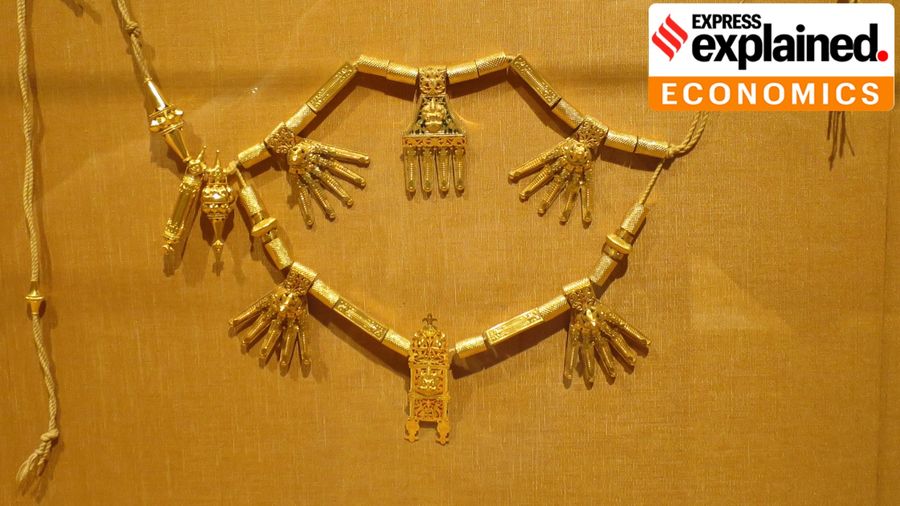
The recent downward trend in the prices of gold and silver has sparked considerable debate among financial analysts and investors across India. For decades, these precious metals have been seen as reliable hedges against inflation and economic uncertainty, making any price correction a point of intense scrutiny. The current dip, while causing short-term market nervousness, is prompting major fund houses to reassess their existing portfolio strategies rather than panicking.
Historically, gold and silver have maintained their appeal due to their tangible nature and perceived safety during global volatility, such as geopolitical tensions or currency fluctuations. However, the recent softening in prices reflects shifts in global demand, changes in central bank purchasing patterns, and adjustments in the US dollar's strength, which significantly influences international commodity pricing.
Fund houses are not issuing blanket buy recommendations but are instead adopting nuanced, risk-adjusted approaches. Some are strategically trimming high-exposure positions to lock in gains, while others are initiating tactical buying in anticipation of a potential rebound, viewing the current level as a temporary correction rather than a long-term decline. Their response underscores a shift from purely speculative investment to more disciplined, long-term wealth preservation.
The impact on retail investors is significant; the question is no longer simply whether to buy, but *how* and *when*. Experts suggest that instead of timing the absolute bottom, investors should align their purchases with their financial goals—whether for immediate portfolio diversification or long-term corpus building—leveraging the current lower entry points without succumbing to market timing anxiety.
Also Read

ब्लॅक फ्रायडेवर Gen-Z चा 'नो-बाय चॅलेंज' ट्रेंड; खरेदीऐवजी जागरूकता वाढली
जनरेशन झी 'ब्लॅक फ्रायडे'च्या आकर्षक ऑफर्सकडे दुर्लक्ष करत आहे. यामागील नेमके कारण काय आहे, याचा आढावा घेणे आवश्यक आहे.
The observed decline in the prices of gold and silver warrants careful consideration regarding its significance in the broader financial landscape. Historically, these precious metals have served as hedges against economic uncertainty and currency devaluation. A dip, therefore, is not merely a price fluctuation but a data point reflecting shifts in global investor sentiment, inflation expectations, and central bank policies. Fund houses are not issuing blanket buy recommendations; rather, their responses involve recalibrating portfolio allocations, assessing the relative strength of precious metals against equities and fixed-income instruments, and advising clients on diversification within their existing mandates.
The potential impact of this trend hinges on the underlying causes of the price fall. If the decline is rooted in temporary macroeconomic adjustments rather than sustained global instability, it could indeed present a strategic entry point for long-term investors aiming to build a diversified portfolio. Conversely, if the downturn signals deeper structural issues—such as significant shifts in global liquidity or geopolitical stability—the opportunity window might be narrower, requiring more cautious, phased buying rather than aggressive accumulation.
Moving forward, investors and market observers must closely monitor several indicators. Key factors to watch include the trajectory of global interest rates set by major central banks, the strength of the US dollar against major currencies, and the evolving geopolitical risk profile across key trading regions. Furthermore, the technical support and resistance levels for gold and silver on major exchanges will provide clearer short-term directional cues. The sustained reaction of institutional fund houses to these variables will offer a more concrete indication of the medium-term investment outlook for these commodities.