130/79 mmHg Blood Pressure Reading Within Normal Range for 57-Year-Old
A blood pressure reading of 130/79 mmHg is generally considered elevated, falling into the prehypertension or Stage 1 hypertension range for a 57-year-old. Individuals should consult a healthcare professional for accurate assessment and personalized medical advice.
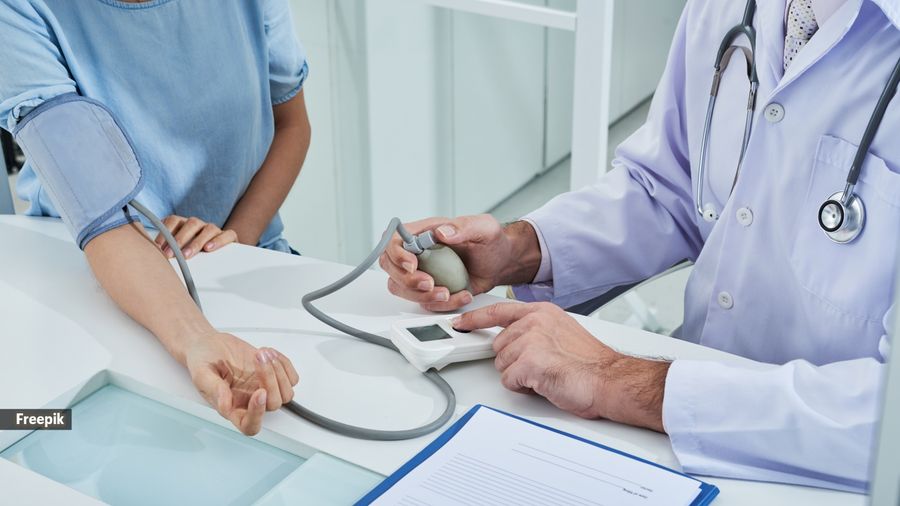
The blood pressure reading of 130/79 mmHg for a 57-year-old does not fall within the universally defined normal range and warrants professional medical evaluation. Standard guidelines often categorize blood pressure below 120/80 mmHg as normal. Readings at 130/79 mmHg typically place an individual in the elevated or Stage 1 hypertension category, depending on the specific clinical guidelines being followed, such as those from the American Heart Association or Indian guidelines.
This classification is not a definitive diagnosis of hypertension but rather a signal that lifestyle adjustments and monitoring are crucial. Hypertension, or high blood pressure, is often called the silent killer because it frequently presents without noticeable symptoms, yet it significantly increases the risk of serious cardiovascular events, including stroke, heart attack, and kidney disease over time.
For a 57-year-old, cardiovascular risk naturally increases with age, making consistent monitoring even more important. The context surrounding this reading—including family history, weight, diet, physical activity levels, and existing comorbidities—is vital for a precise assessment. A single reading is insufficient for diagnosis; a pattern of elevated readings over time is what clinicians look for.
Therefore, the immediate action required is not self-diagnosis but consultation with a healthcare professional. They can interpret this reading within the individual's complete health profile, recommend further testing, and provide personalized advice on dietary changes, exercise regimens, or, if necessary, medication, ensuring a safe and accurate management plan tailored to the patient's specific needs.
Also Read

दुधाच्या दरात सलग चौथी वाढ; सर्वसामान्यांना मोठा आर्थिक भार
सलग चौथ्यांदा दुधाच्या दरात वाढ झाली असून, आता प्रति लिटरला २ रुपयांनी भाव वाढला आहे. यामुळे सर्वसामान्य नागरिकांना पुन्हा मोठा आर्थिक झटका बसला आहे.
The significance of a 130/79 mmHg reading for a 57-year-old lies not in a definitive diagnosis, but in the need for proactive medical evaluation. Current international guidelines often categorize readings in this range as elevated or in the early stages of hypertension, necessitating lifestyle modifications rather than immediate, aggressive pharmacological intervention. This threshold signals a biological shift that warrants attention to mitigate long-term cardiovascular risks, which increase significantly with age.
The possible impact of unmanaged elevated blood pressure extends to increased risk factors for serious health events, including stroke, heart disease, and chronic kidney disease. However, recognizing this early stage allows for preventative action. Changes in diet, such as reducing sodium intake, increasing potassium, regular physical activity, and weight management, often prove sufficient to bring readings into the optimal range without medication.
What to watch next involves consistent monitoring, not just a single reading. Healthcare providers typically recommend serial blood pressure checks over several weeks to establish a true baseline and rule out white-coat hypertension. Further investigation may include blood tests to check for kidney function or cholesterol levels, providing a holistic view of cardiovascular health.
Ultimately, the next critical step is a detailed consultation with a physician. This professional assessment will integrate the blood pressure data with the individual's complete medical history, existing comorbidities, and family health patterns, leading to a tailored, evidence-based management plan rather than a generalized recommendation.