Muslim population share projected to rise in India by 2070
Muslim population share in India is projected to increase by 2070, despite overall growth in both Hindu and Muslim communities. This demographic shift is driven by differing growth rates between the two religious groups.
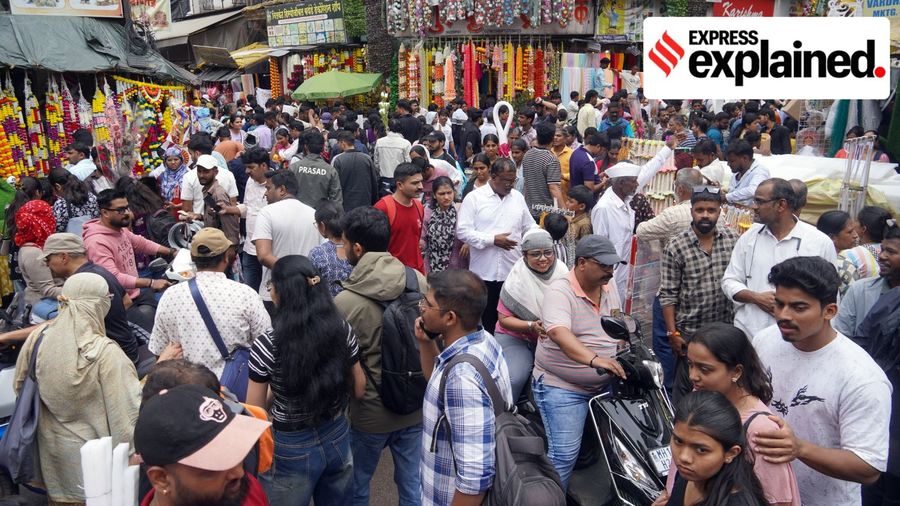
Projections indicate that both the Hindu and Muslim populations in India are set to grow by the year 2070; however, demographic analysis suggests a notable shift in the religious composition of the nation, with the Muslim population's share of the total will increase. This trend is not a reflection of absolute growth in the Hindu community, which is also expanding, but rather a consequence of differential growth rates between the two major religious groups over the coming decades.
The underlying factors driving this projected change are rooted in fertility rates and demographic transition patterns observed across both communities. While both groups are expected to see population increases, the rate of growth among the Muslim population is projected to outpace that of the Hindu population according to available demographic modeling. These projections are based on national census data and ongoing socio-economic trends rather than specific localized events.
This gradual but significant demographic realignment carries broader implications for India's social fabric, political landscape, and resource allocation planning for the latter half of the 21st century. Policymakers and social scientists are closely monitoring these trends to ensure that development strategies, educational infrastructure, and healthcare access are equitably distributed across all religious communities as the nation evolves demographically.
Understanding this projection requires looking beyond simple absolute numbers to the relative growth dynamics. The shift in proportional representation by 2070 underscores the necessity for inclusive national planning that accounts for the varying demographic trajectories of India's diverse populace, ensuring that growth benefits all segments of society.
Also Read
Alia Bhatt shares feeling understood in marriage with Ranbir Kapoor
Alia Bhatt expressed feeling seen and heard within her marriage to Ranbir Kapoor. She shared this sentiment, highlighting the supportive dynamic of their relationship.
The projected rise in the Muslim population's share of India's total demographic composition by 2070 signifies a nuanced shift in the country's religious landscape, rather than a simple increase in overall religious numbers. This trend is fundamentally rooted in differential fertility and mortality rates observed between the Hindu and Muslim communities over recent decades. While both groups are expected to see population growth, the rate of growth for the Muslim community is outpacing that of the Hindu community, leading to a proportional increase in their share of the national populace.
The possible impact of this demographic evolution extends beyond mere statistics, touching upon resource allocation, political representation, and social planning across various states. Government policy formulation, particularly concerning education, healthcare, and infrastructure development, must account for these changing demographic weightages to ensure equitable distribution of resources. Furthermore, the evolving religious composition influences the dynamics of regional political mobilization and social integration efforts nationwide.
Looking ahead, the key factors to monitor are the fertility transition rates within both religious groups, as these will dictate the pace of the share increase. Additionally, state-level data, rather than just national figures, will reveal localized variations in this trend, making state-specific policy responses crucial. The trajectory of inter-community social cohesion and economic participation within both communities will also serve as critical indicators of how this demographic reality is being managed on the ground.