Dharma Productions sells 50% stake to Adar Poonawalla amid rising film costs
Dharma Productions has sold a 50% stake to Adar Poonawalla due to rising film production costs. This strategic investment aims to bolster the studio's financial stability amidst escalating industry expenses.
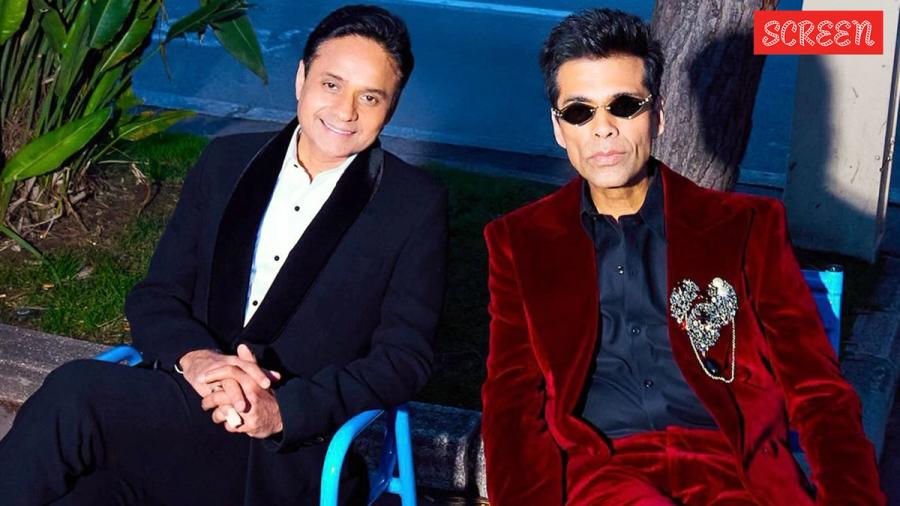
The decision by Dharma Productions to sell a 50% stake in the studio to Adar Poonawalla marks a significant financial realignment for the prominent Bollywood entity, driven primarily by the escalating costs within the Indian film industry. This strategic move is not merely a transaction but a necessary adaptation to the current economic realities of high-budget filmmaking, where production expenses have seen a substantial upward trajectory in recent years.
Dharma Productions, known for its large-scale, commercially successful ventures, has historically navigated the volatile landscape of Bollywood with significant creative and market success. However, the increasing demands for higher production values, elaborate sets, advanced technology, and talent remuneration have placed considerable strain on the studio's financial models. The infusion of capital from Poonawalla is intended to provide the necessary financial ballast to sustain ambitious projects without undue fiscal pressure.
Adar Poonawalla, known for his significant business acumen, brings substantial financial backing to the partnership. This investment is positioned to bolster Dharma's financial stability, allowing the studio to maintain its creative output and production quality while mitigating the risks associated with rising operational costs. The partnership signals a shift towards more robust financial backing complementing creative ambition in mainstream Indian cinema.
The impact of this 50% stake sale extends beyond Dharma Productions; it reflects a broader trend across the Indian entertainment sector where established creative houses are seeking strategic financial partnerships to weather inflationary pressures and capitalize on evolving market demands. This collaboration aims to ensure the studio's continued relevance and capacity to produce high-caliber films in a more financially resilient framework.
Also Read
राहुल गांधींचा दावा: २०२४ लोकसभा निवडणूक बेकायदेशीर
राहुल गांधींनी 2024 लोकसभा निवडणुका बेकायदेशीर ठरवत डीलिमिटेशन विधेयकावर तीव्र टीका केली आहे. या विधेयकामुळे दलित आणि मागासवर्गीयांच्या जागा गोठवल्या जातील, असा गंभीर आरोप त्यांनी केला आहे.
The divestment of a 50% stake in Dharma Productions to Adar Poonawalla signifies a critical pivot for the studio, moving beyond purely creative endeavors towards robust financial fortification. This strategic infusion of capital is a direct response to the discernible escalation in production costs across the Indian film industry, encompassing higher talent fees, advanced technological requirements, and increased logistical overheads. For a production house of Dharma's stature, ensuring financial resilience against these inflationary pressures is paramount to maintaining its production pipeline without compromising creative integrity.
The possible impact of this partnership is multifaceted. It provides Dharma Productions with substantial financial backing, enabling larger, more ambitious projects that might otherwise be constrained by capital availability. Concurrently, Poonawalla’s involvement brings significant corporate financial acumen and operational scaling capabilities to the studio's management structure. This collaboration is expected to enhance the studio's market reach and stabilize its long-term financial trajectory within the competitive Bollywood landscape.
Moving forward, industry observers will closely monitor how this capital is deployed. Key indicators to watch include the slate of upcoming productions, the financial performance of these new ventures, and the integration of Poonawalla’s strategic oversight into Dharma's operational decisions. The sustained viability of high-budget Indian cinema hinges on balancing artistic vision with sound financial architecture, a balance this investment aims to solidify. The next phase will reveal whether this financial restructuring translates into consistent, high-quality, and commercially successful cinematic output.