Delhi Govt Orders 50% Staff to Work from Home as GRAP IV Activated Amid Declining Air Quality
The state government has issued a directive requiring administrative secretaries and department heads to report to the office regularly. At the same time, it has capped the physical attendance of staff members to 50%. This measure aims to streamline operations while maintaining health protocols.
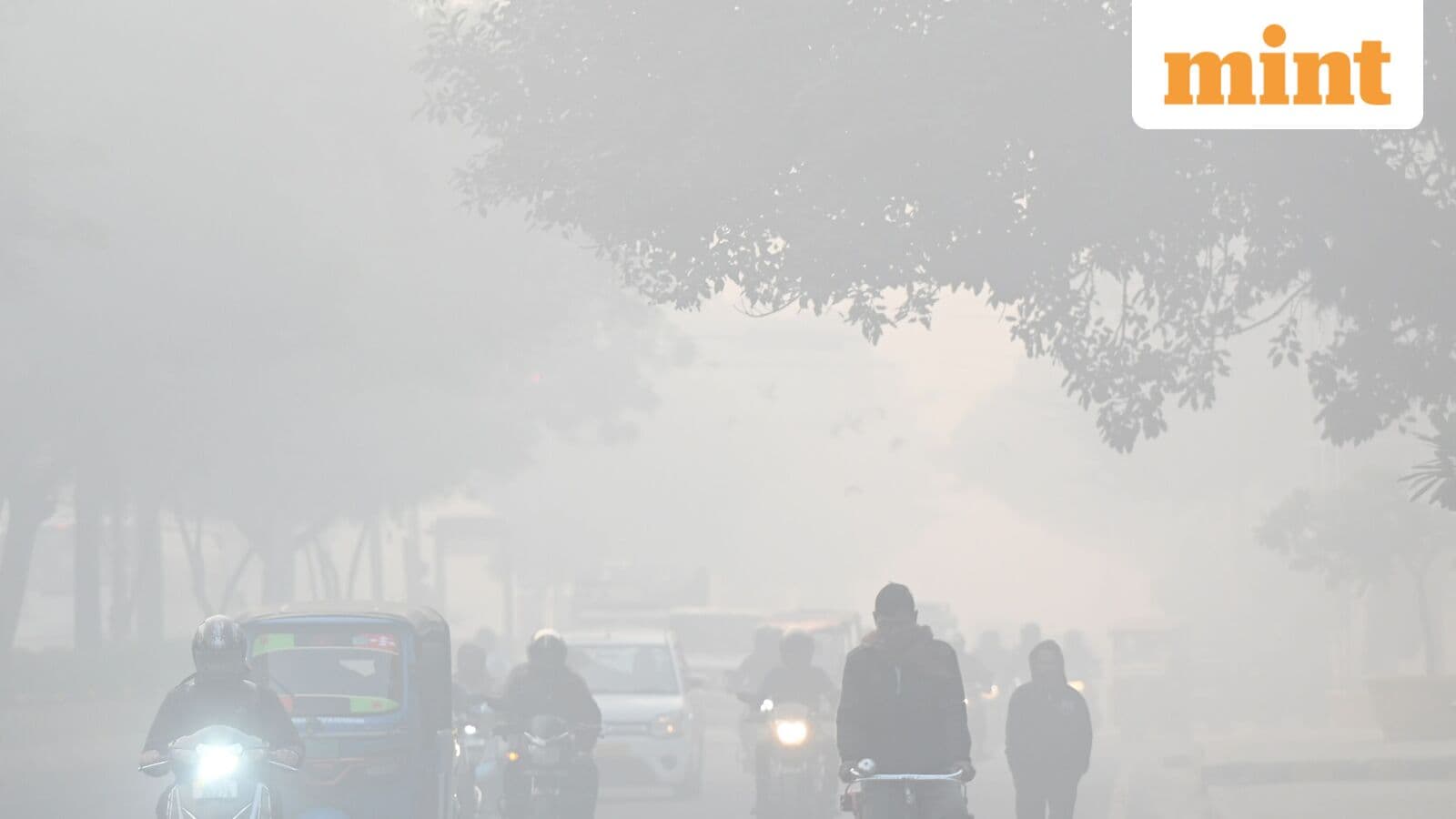
In response to declining air quality levels in the national capital, the Delhi government has issued a new directive mandating that 50% of its staff work from home as part of the Graded Response Action Plan (GRAP IV). This measure aims to ensure public safety while maintaining essential administrative operations amid the ongoing concerns related to air pollution.
The recent increase in pollution levels has prompted the government to take immediate action, leading to the implementation of GRAP IV, which outlines several measures based on the severity of the air quality situation. In light of this, administrative secretaries and department heads are still required to physically report to their offices, ensuring that critical decision-making processes remain uninterrupted. This dual approach allows the government to continue its operations effectively while prioritizing the health and safety of its employees.
Officials stated that capping attendance at 50% will help in reducing the number of staff traveling to and from offices, thereby decreasing air pollution caused by vehicular emissions. According to a government spokesperson, “It is imperative that we strike a balance between operational efficiency and the health of our workforce. We must adapt to the circumstances while ensuring that public service is not hindered.”
In previous years, the Delhi government has faced criticism for its handling of air pollution, particularly during the winter months when smog conditions worsen. This time, the government aims to adopt a more proactive approach by encouraging work-from-home arrangements while still allowing key personnel to manage essential services. Such measures come at a time when the air quality index (AQI) has been intermittently crossing hazardous levels, a trend that has sparked widespread public concern.
The directive has received a mixed response from the city’s workforce. Many employees welcome the move, believing that reduced physical presence in the workplaces can contribute to improved health outcomes and reduced stress. “Working from home not only safeguards our health but also reduces time spent commuting in this terrible air,” said an employee from the health department, speaking on the condition of anonymity. However, some argue that the lack of in-person collaboration may hinder workflow, especially in departments reliant on teamwork.
As part of GRAP IV, the government has also recommended increased telecommuting for private organizations and small businesses, reinforcing the significance of collective effort in combating air pollution. Authorities are closely monitoring air quality levels and are prepared to escalate restrictions if conditions do not improve, with the aim of ensuring the safety of Delhi residents.
In conclusion, as the Delhi government implements this 50% work-from-home mandate, it seeks to balance the necessity of public service with the urgent need for public health protection. This initiative reflects ongoing efforts to address the air quality crisis while considering the needs of both the workforce and the residents of the capital.


