Normal ECG Does Not Rule Out Heart Attack Cardiologist Explains
A normal ECG does not guarantee protection against a heart attack. Cardiologists clarify that symptoms and risk factors beyond ECG readings dictate actual cardiac health.
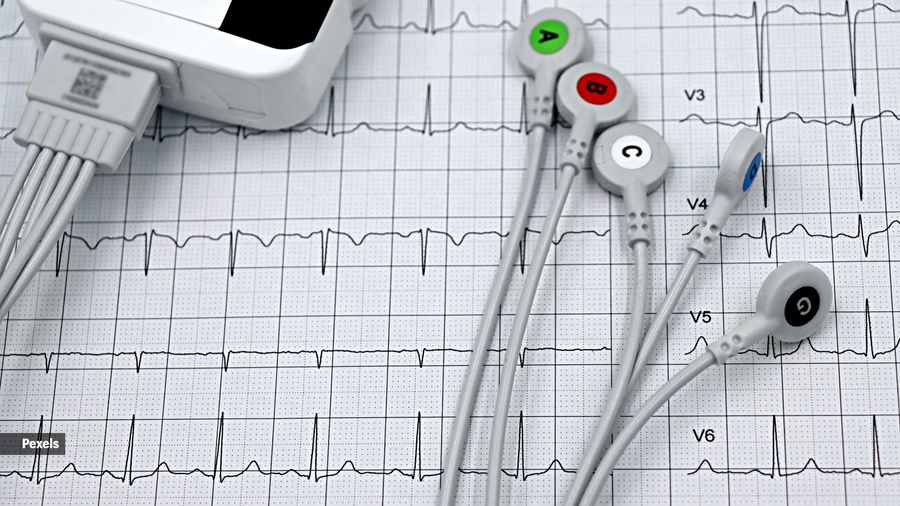
A normal electrocardiogram or ECG does not provide absolute assurance against suffering a heart attack, a crucial clarification offered by cardiologists across India. While an ECG is a vital diagnostic tool that records the electrical activity of the heart, its normalcy at a specific point in time does not negate underlying cardiac vulnerability or the possibility of an acute cardiac event. Relying solely on a clean ECG reading can lead to a false sense of security, potentially delaying necessary preventative or interventional care.
The reality of cardiac health is multifaceted, extending far beyond a single electrical tracing. Cardiologists emphasize that the presence and severity of risk factors—such as uncontrolled hypertension, high cholesterol, diabetes, smoking, and sedentary lifestyle—are far more indicative of future cardiac risk than a routine, normal ECG. Furthermore, certain types of heart damage or silent ischemia may not manifest as abnormalities on a standard ECG, especially in the early stages of coronary artery disease.
The impact of this misunderstanding is significant; patients might ignore subtle, non-specific symptoms like atypical chest discomfort, fatigue, or shortness of breath, assuming a normal test result clears them. Experts stress that a comprehensive cardiac assessment requires integrating ECG data with clinical history, blood marker analysis (like troponin levels during an event), and advanced imaging, if warranted.
Ultimately, the message from the medical community is clear: a normal ECG is a data point, not a definitive health guarantee. Proactive lifestyle modifications, regular check-ups tailored to individual risk profiles, and open communication with a cardiologist are the true bulwarks against cardiac events, irrespective of the immediate ECG outcome.
Also Read

धनंजय पोवारवर प्रवीण तरडेचा आरोप; थेट संवाद नोंदवला
धनंजय पोवार लवकरच प्रवीण तरडे यांच्या आगामी चित्रपटात दिसणार आहे. त्याने नुकत्याच दिलेल्या मुलाखतीत सेटवरील एक किस्सा सांगितला.
The significance of this clarification lies in shifting the focus from a single diagnostic tool to a holistic assessment of cardiovascular risk. A normal electrocardiogram indicates that the heart's electrical activity is currently within a normal range at the time of the test; it is not a definitive declaration of future cardiac health. Heart attacks are complex events influenced by a confluence of modifiable and non-modifiable risk factors, such as high blood pressure, elevated cholesterol, diabetes, smoking history, and family predisposition. Therefore, relying solely on a normal ECG can lead to a false sense of security, potentially delaying necessary lifestyle changes or medical interventions.
The possible impact of this understanding is a crucial re-evaluation of preventive cardiology in the general public. It necessitates proactive engagement with healthcare providers, moving beyond routine screening to comprehensive risk stratification. Individuals with normal ECGs but significant risk factor profiles require targeted management—including dietary modifications, regular physical activity, and pharmacological support if indicated—rather than passive monitoring. This nuanced approach prevents the underestimation of silent cardiac disease.
Moving forward, what to watch next involves integrating advanced diagnostics alongside standard ECGs. Further monitoring should include lipid profiles, blood sugar levels, and potentially stress tests or coronary calcium scoring, depending on the patient's specific risk profile. Continuous dialogue with a cardiologist, focusing on managing underlying risk factors rather than just interpreting immediate ECG readings, remains the most critical step in mitigating heart attack risk. Regular, comprehensive health check-ups, rather than isolated tests, form the bedrock of preventative cardiac care.