Decades of UP election data analyzed amid BJP's women's quota push
Historical data from past Uttar Pradesh elections reveals no consistent correlation between women's quotas and significant electoral gains for the BJP. Decades of polling trends indicate other socio-economic and regional factors are the primary drivers of state-level political outcomes.
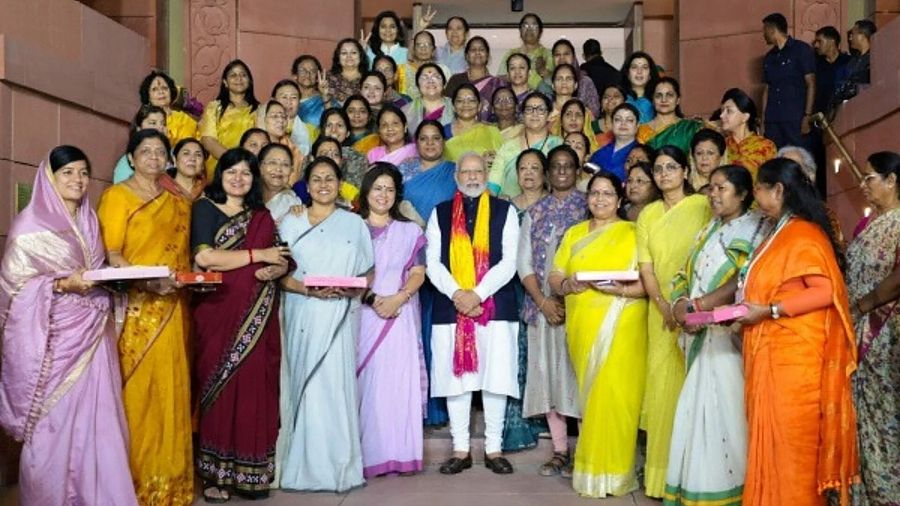
The Bharatiya Janata Party's recent push for a women's quota ahead of the Uttar Pradesh elections has drawn scrutiny from political analysts who point to historical electoral data. A review of decades of polling trends in Uttar Pradesh suggests that there is no consistent, direct correlation between the implementation or promise of a women's quota and significant electoral gains for the BJP at the state level. While the emphasis on women's empowerment is a key part of the current political narrative, past election outcomes reveal a more complex tapestry of determinants.
Uttar Pradesh, a politically volatile state, has seen its electoral fortunes dictated by a confluence of factors far broader than gender quotas. Caste dynamics, agrarian distress, regional loyalties, and the performance of state infrastructure and governance have historically proven to be the primary drivers of voter behaviour. For instance, shifts in support have often mirrored changes in economic conditions or the rise of localized strongmen rather than solely policy-driven gender inclusion.
The impact of these historical trends underscores a caution against viewing the women's quota as a guaranteed electoral lever. While the BJP leverages this issue in its current campaign, the long-term data indicates that socio-economic stability, local administrative effectiveness, and the mobilization of specific caste blocs have historically carried greater weight in shaping the final vote share across the state.
Therefore, while the push for a women's quota is a significant contemporary political strategy, the evidence from past UP elections suggests that any substantial electoral success for the BJP will likely stem from addressing deeper, long-standing issues—such as agricultural policy, regional development disparities, and caste arithmetic—rather than being solely attributable to gender-based reservation policies.
Also Read
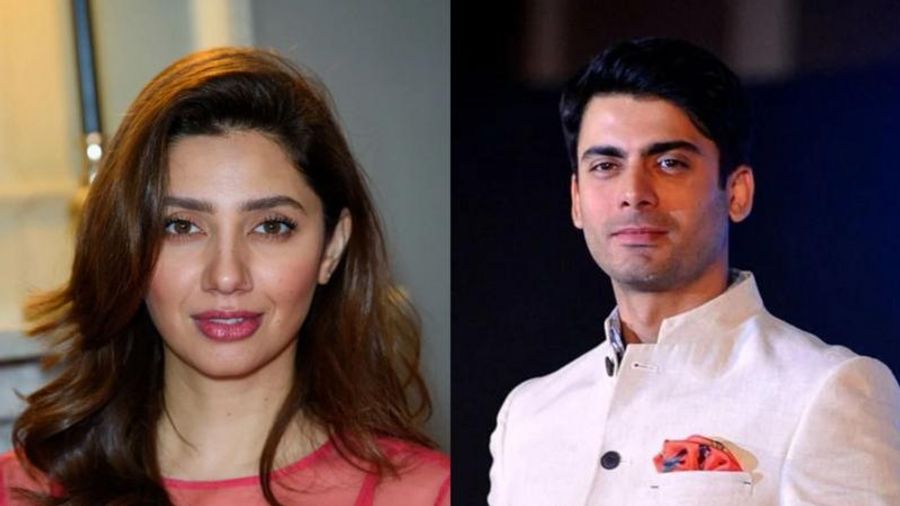
फ़वाद और माहिरा ख़ान भारतीय दर्शकों के बीच लोकप्रिय
माहिरा और फ़वाद ख़ान की नेटफ़्लिक्स सीरीज़ भारत में प्रसारित न करने की मांग उठ रही है। हालांकि, दोनों कलाकार भारतीय दर्शकों के बीच काफी लोकप्रिय हैं।
The historical data analyzed from past Uttar Pradesh elections underscores that the introduction or emphasis on a women’s quota has not consistently translated into significant, measurable electoral gains for the BJP. Decades of polling trends across various state and regional elections demonstrate that the primary determinants of political outcomes in Uttar Pradesh are deeply rooted in broader socio-economic shifts, caste arithmetic, regional loyalties, and local leadership capabilities, rather than gender-specific reservation policies. The electorate's decision-making matrix remains complex, balancing identity politics with development narratives and localized governance issues.
The potential impact of the proposed quota, therefore, cannot be solely assessed through the lens of gender representation. Any shift in electoral performance linked to this measure would likely be intertwined with concurrent factors such as agricultural distress, infrastructure development, and the mobilization capacity of various caste blocs within the state. The existing political landscape suggests that while women's participation is increasing, the electoral calculus remains heavily influenced by established demographic and economic fault lines, not just policy mandates.
Moving forward, observers must watch several key developments beyond the immediate announcement. The actual implementation mechanism of the quota, including eligibility criteria and enforcement, will be critical to understanding its practical effect. Furthermore, the BJP's strategy in integrating this quota with its broader narrative on development and social welfare in the lead-up to the Uttar Pradesh polls will be a significant indicator. The sustained performance of regional and opposition parties in mobilizing diverse voter segments will also provide a crucial counterpoint to any anticipated impact of the women's quota.