Naidu and Family Vote in AP Panchayat Elections 2026
Andhra Pradesh Panchayat Election 2026 saw CM N Chandrababu Naidu and his family members cast their votes. Live updates are available for the ongoing election results across the state.
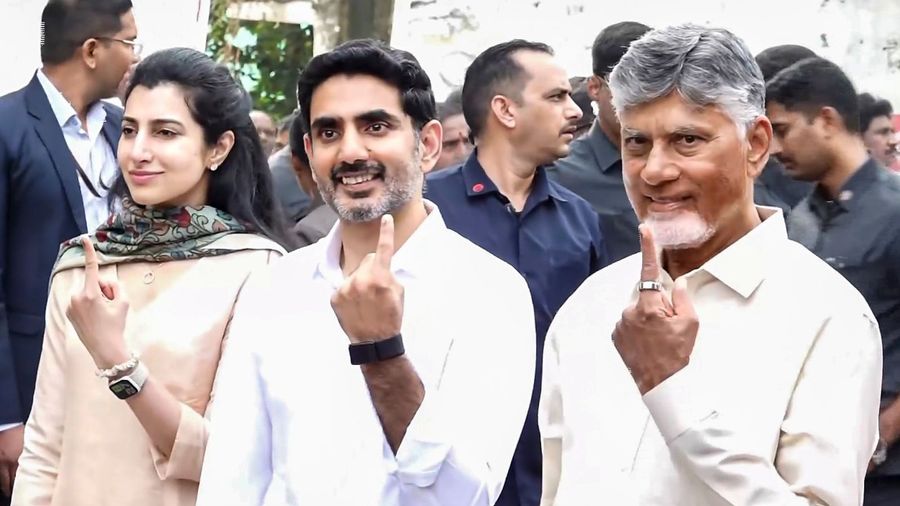
The Andhra Pradesh Panchayat Election 2026 has witnessed significant political activity across the state, with reports confirming that Chief Minister N Chandrababu Naidu and several members of his family cast their votes during the election process. This participation, while expected from a sitting chief minister, has drawn attention amidst the ongoing electoral exercise across various panchayat levels in Andhra Pradesh. Live updates are continuously being monitored by news outlets as the results begin to emerge from polling stations statewide.
The Panchayat elections in Andhra Pradesh are crucial for local governance, determining leadership at the village and intermediate levels. These elections directly impact grassroots development, resource allocation, and the implementation of state and central schemes at the most localized administrative tiers. The political landscape in Andhra Pradesh remains dynamic, with various regional and national parties contesting for local power, making the outcome of these panchayat polls a barometer of local sentiment.
Background to the current electoral cycle involves a period of political realignment following previous state assembly elections. The focus on panchayat governance underscores the state government's emphasis on decentralized administration and direct citizen participation in local decision-making. The involvement of high-profile political figures like CM Naidu, while part of the democratic process, also sets a high-stakes tone for the local contests.
As the counting progresses, the focus shifts from the act of voting to the aggregation of votes across different mandals and districts. The final results will determine the composition of the new Panchayat bodies, influencing local infrastructure projects, water management, and sanitation efforts for the coming term, thereby having a tangible impact on the lives of rural and semi-urban populations across Andhra Pradesh.
Also Read

केसांसाठी भेंडीच्या जेलचा वापर: घरी स्मूद लूक मिळवण्याचे उपाय
भेंडीच्या जेलने घरी केराटिनसारखे चमकदार आणि स्मूद केस मिळवता येतात. भेंडीपासून केसांसाठी मास्क बनवण्याची सोपी पद्धत जाणून घ्या.
The participation of the Andhra Pradesh Chief Minister, N Chandrababu Naidu, and his family in the Panchayat elections underscores the high political significance of this local governance exercise across the state. While the focus remains on the emerging results, the visibility of top political leadership in such grassroots polls signals the importance the state government places on local democratic engagement and the functioning of the Panchayat system. This election cycle provides a critical barometer not just for local administrative efficacy but also for the broader political sentiment within Andhra Pradesh ahead of future legislative contests.
The potential impact of these Panchayat election outcomes is multifaceted, extending beyond mere local body formation. Strong performance by any party at the Panchayat level can translate into enhanced local administrative influence, affecting resource allocation, rural development schemes, and the delivery of essential services at the village and mandal levels. Conversely, shifts in local power dynamics can signal evolving voter priorities regarding issues like infrastructure, agricultural support, and public health, providing valuable ground-level feedback to state policymakers.
Looking ahead, the immediate focus must remain on the official declaration of the final results across all constituencies. Stakeholders should closely monitor the final tally to understand which political narratives have resonated most strongly with rural and semi-urban voters. Furthermore, the subsequent phase will involve the formation of new Panchayat bodies and the implementation of their mandates. The trajectory of local governance in AP over the coming months will reveal how effectively the elected representatives translate local mandate into tangible development outcomes for the populace.