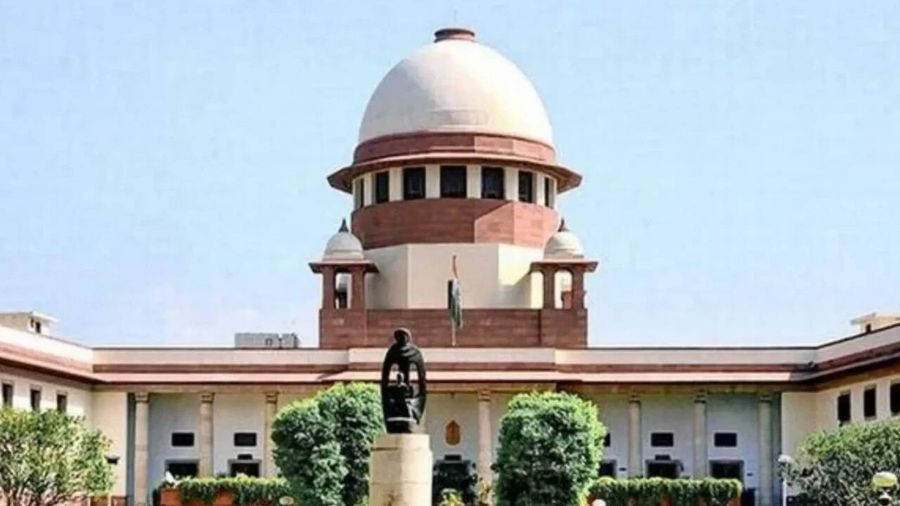
NY homeowner wins foreclosure battle as bank fails to prove note enforceability
A New York appeals court overturned a foreclosure ruling against homeowner Moses Sukljian, reversing a decision-bank favor. The court found US Bank National Association failed to provide sufficient legal standing to enforce the 2005 mortgage loan.

In a significant ruling that highlights the complexities of mortgage ownership and legal standing, a New York appeals court has overturned a foreclosure judgment against a long-term homeowner. Moses Sukljian, the individual who originally entered into a mortgage agreement in 2005 during the height of the residential real estate boom, found himself in the crossfire of a protracted legal battle with US Bank National Association. While a lower court had initially ruled in favor of the lender, allowing the foreclosure to proceed, the appellate court has now reversed that decision, determining that the bank failed to establish the necessary legal standing to enforce the promissory note associated with the property.
The core of the legal dispute centers on the "chain of title" and the documentation of debt transfer. In the modern financial landscape, mortgages are frequently traded, securitized, and bundled into complex investment instruments sold among various entities. For a bank to successfully foreclose on a property, it must prove it is the rightful holder of the note or has been legally assigned the right to collect. In Sukljian’s case, the court found that US Bank National Association could not provide sufficient evidence to link its current claim back definitively to the original 2005 loan agreement. This gap in documentation is a recurring pitfall in high-stakes foreclosure litigation where administrative records often become lost or improperly maintained during transfers of ownership.
This ruling carries broader implications for homeowners across the state, as it serves as a reminder that lenders must meet rigorous standards of proving ownership. By reversing the initial ruling, the appeals court has reinforced the principle that mere possession of a loan file is not enough to strip a citizen of their property rights. For Sukljian, the decision provides a critical reprieve from eviction, but for the banking industry, it underscores the vital importance of transparent and legally accurate record-keeping in the secondary market for mortgage-backed securities.
Also Read

कोयला इंडिया, BEL और IGL 29-30 अक्टूबर को पेश करेंगे तिमाही नतीजे
कोल इंडिया ने वित्त वर्ष 2026-27 के लिए दूसरे अंतरिम लाभांश पर विचार करने का निर्णय लिया है। कंपनी अपने निवेशकों को अतिरिक्त लाभ देने की संभावना पर पड़ताल कर रही है।
The significance of this ruling in the case of Moses Sukljian lies in its reinforcement of the stringent evidentiary standards required of financial institutions to proceed with foreclosures. In the complex landscape of mortgage markets where loans are frequently bundled, securitized, and resold, the chain of title often becomes obscured by administrative lapses.The court’s decision underscores that mere possession of a loan document is insufficient for a lender to claim the right of execution. By ruling that US Bank National Association failed to prove its standing to enforce the 2005 note, the appeals court has sent a clear message to the banking sector: the burden of proof rests entirely on the creditor. This protects homeowners from predatory actions based on incomplete documentation that may have been lost or improperly handled during transfers between financial entities.
The potential impact of this verdict extends beyond a single household, offering a legal precedent for how lenders in New York must document debt obligations. It serves as a critical check on banks, ensuring that their internal record-keeping and transfer protocols are transparent and legally defensible. For homeowners, the ruling provides a layer of security against procedural errors or fraudulent foreclosures where the entity seeking possession lacks the actual legal authority to recover the debt. However, it may also lead to increased scrutiny and longer litigation cycles as banks scramble to fortify their evidence of ownership and assignment before filing in court.
Moving forward, legal experts and industry observers should watch how this decision influences similar pending cases involving older, securitized loans. We are likely to see an increase in defense strategies utilizing this precedent to challenge bank foreclosures where there are gaps in the recorded chain of assignments. Furthermore, the focus will shift to whether this leads to a broader shift in how York courts interpret digital versus physical notes and whether legislative changes follow to demand more rigorous verification of the standing of various mortgage note holders.