Punjab Women Join Hands with Harsimrat to Launch Crusade Against State's Rising Drug Menace
"Sikh leader Sukhbir Singh Badal launched a scathing attack on the AAP government, accusing it of failing to curb the growing drug menace in Punjab. Describing the situation as 'worst' under its rule, Badal's remarks come amid mounting concerns over the state's rising narcotics crisis. The criticism marks a sharp
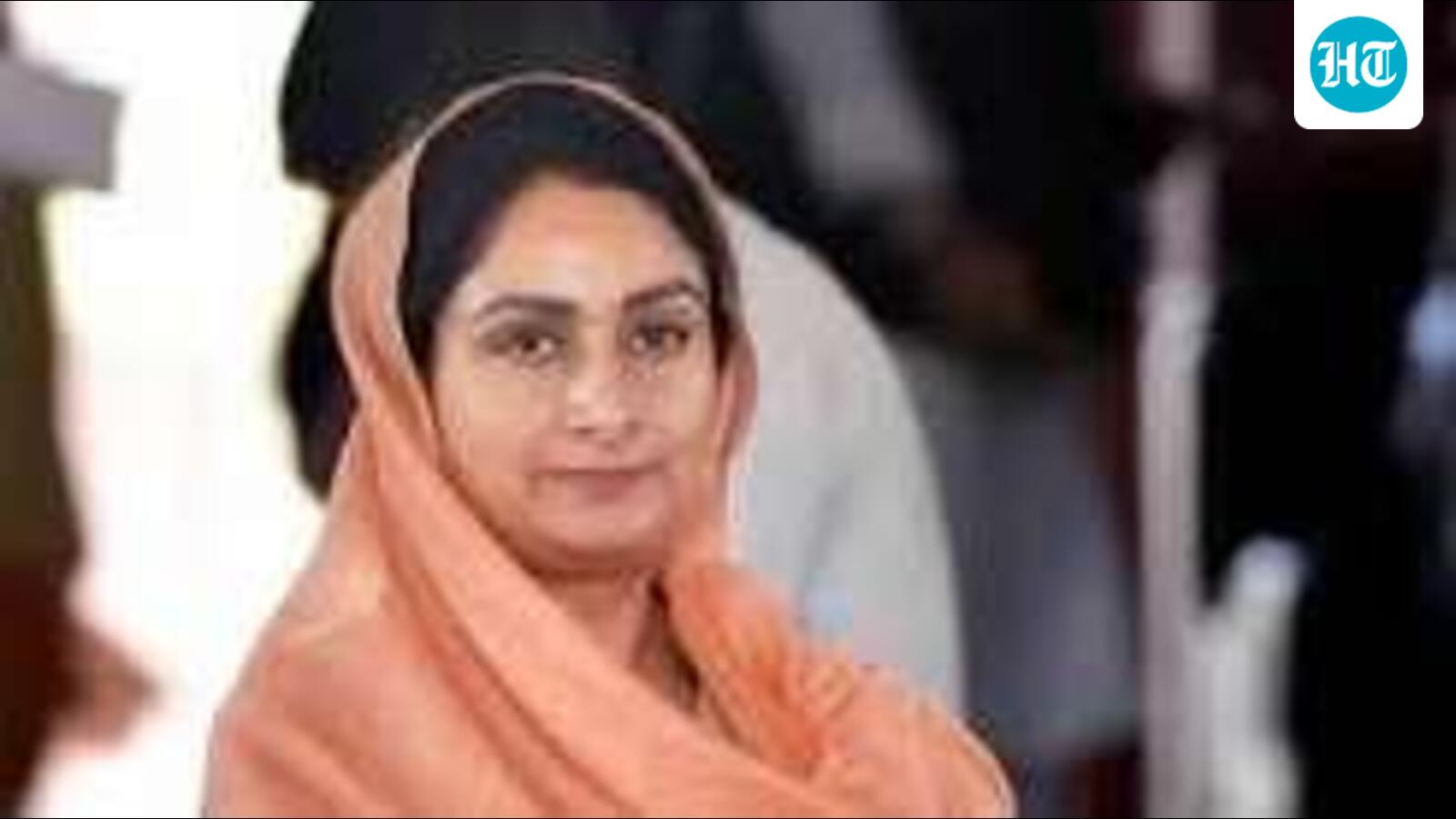
In the scorching summer of 2022, when the sun beat down relentlessly on the parched fields of Punjab, a sense of desperation hung in the air like a specter. It was a feeling that had been building for years, fueled by the insidious creep of a silent killer – the opium trade. As the harvest season gave way to the monsoon rains, the state's youth began to vanish at an alarming rate, their families left to pick up the pieces of shattered lives. It was then that Harsimrat Kaur Badal, the charismatic Sikh leader, decided to take a stand. She rallied her community, and together, they embarked on a perilous journey to confront the darkness that had consumed their state.
It was a crusade that had been brewing in the shadows for years, fueled by the whispers of worried parents, the tears of grieving families, and the cries of desperate youth. The statistics were staggering – over 60% of Punjab's youth were hooked on opioids, with the state accounting for a whopping 50% of India's total opium consumption. The numbers were a stark reminder of the catastrophic failure of the state's governance, which had failed to stem the tide of this deadly epidemic. As the Badal-led Shiromani Akali Dal (SAD) government struggled to cope with the crisis, the ruling AAP (Aam Aadmi Party) seemed more interested in playing politics than in taking concrete action.
Against this backdrop of despair and desperation, Harsimrat Kaur Badal, a firebrand politician with a reputation for fearlessness, decided to take matters into her own hands. Born into a prominent Sikh family, she had grown up with a strong sense of social responsibility, instilled in her by her parents. Her late husband, Sukhbir Singh Badal, the former Deputy Chief Minister of Punjab, had also been a champion of the state's youth, fighting tirelessly for their rights. It was this legacy that had inspired Harsimrat to launch her crusade, a battle that would take her to the very heart of the opium trade.
The stakes were high, the risks were greater, but Harsimrat was undaunted. She began by mobilizing the women of Punjab, a powerful force that had been largely silent in the face of the crisis. The women of Punjab, known for their strength, resilience, and determination, were the backbone of the family, and it was they who had borne the brunt of the opium epidemic. Harsimrat knew that by empowering them, she could create a force that would shake the very foundations of the opium trade.
As the movement gained momentum, Harsimrat's message began to resonate with the people of Punjab. She traveled extensively across the state, holding rallies, meetings, and workshops, spreading awareness about the dangers of opium addiction and the need for collective action. Her message was simple – together, we can defeat this menace, but we need to work together. It was a call to arms that struck a chord with the people of Punjab, who were tired of living in fear of the opium trade.
The reaction from the AAP government was predictable – a dismissive silence. The ruling party, more interested in playing politics than in addressing the crisis, refused to engage with Harsimrat or her movement. But Harsimrat was not deterred. She continued to mobilize the women of Punjab, creating a powerful network of activists who were determined to bring about change.
As the movement gathered steam, Harsimrat's message began to attract attention from across the country. The media, sensing a story, began to cover her crusade, highlighting the human cost of the opium trade and the bravery of the women of Punjab who were fighting back. The coverage was extensive, with newspapers, television channels, and social media platforms carrying stories of Harsimrat's movement.
The pressure began to build on the AAP government, which was forced to take notice of the growing public outcry. The government, sensing the public mood, began to make token gestures, announcing plans to set up rehabilitation centers and launch awareness campaigns. But Harsimrat was not convinced. She knew that words were cheap, and it was actions that mattered.
The battle ahead would be long and arduous, but Harsimrat was ready. She had the support of the women of Punjab, a powerful force that would not be silenced. Together, they would fight for a future free from the scourge of opium, a future where the youth of Punjab could live without fear of addiction.
Also Read
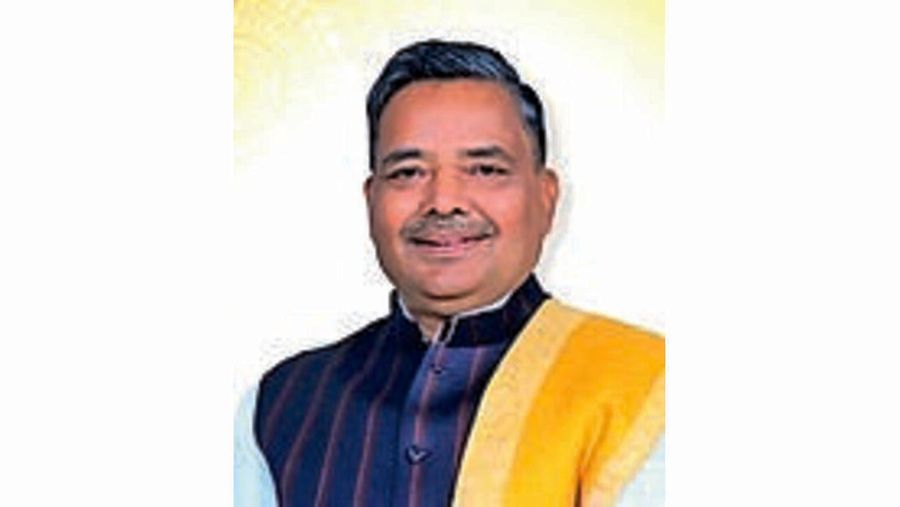
उत्तराखंड में नौ साल में पर्यटकों की संख्या बढ़कर 156 करोड़
उत्तर प्रदेश में पर्यटन की वृद्धि एक नई ऊंचाई पर है। नौ सालों में पर्यटकों की संख्या सातगुना बढ़कर 156 करोड़ हो गई है, जिसका श्रेय पर्यटन मंत्री ने दिया है। उत्तर प्रदेश के पर्यटन के विकास के लिए प्रतिबद्धता के परिणामस्वरूप यह वृद्धि देखी गई है।
The Punjab women's movement, led by Harsimrat, has sent shockwaves across the state, forcing the AAP government to confront the reality of the opium crisis. The movement, which has gained momentum over the past few months, has brought together women from all walks of life, united in their determination to bring about change.
The AAP government's response has been predictable – a mix of denial and defensiveness. The ruling party, which has been accused of failing to address the crisis, has dismissed Harsimrat's movement as a "politically motivated" stunt. But the women of Punjab are not buying it. They know that the opium trade is a real and present danger, one that has destroyed countless lives and families.
The statistics are staggering – over 60% of Punjab's youth are hooked on opioids, with the state accounting for 50% of India's total opium consumption. The numbers are a stark reminder of the catastrophic failure of the state's governance, which has failed to stem the tide of this deadly epidemic. The women of Punjab are demanding action, not just words.
The movement has also attracted attention from across the country, with many hailing Harsimrat as a "hero" for her bravery. The media, sensing a story, has been covering the movement extensively, highlighting the human cost of the opium trade and the determination of the women of Punjab.
But the battle ahead will be long and arduous. The opium trade is a powerful and entrenched force, with deep roots in the state's politics and economy. It will take more than just rhetoric to defeat it. It will take sustained action, commitment, and determination. The women of Punjab are ready for the challenge.
As the movement gains momentum, the stakes are high. The AAP government is facing growing pressure to act, with many calling for the resignation of the Chief Minister. The opposition parties, sensing an opportunity, are also weighing in, promising to take a tougher stance on the opium trade if they come to power.
But Harsimrat is not interested in playing politics. She is focused on the real issue – the opium trade. She knows that the solution lies in collective action, not just words. The women of Punjab are united in their determination to bring about change, and they will not be silenced.
The future is uncertain, but one thing is clear – the women of Punjab will not be ignored. They will continue to fight for a future free from the scourge of opium, a future where the youth of Punjab can live without fear of addiction. The battle ahead will be long and difficult, but the women of Punjab are ready. They are the force that will bring about change, and they will not be defeated.