India's Arctic Advantage: Forgotten Soviet Waterway to China's Gain?
"China, Russia, and Kazakhstan are reviving a centuries-old trade route, leveraging the Irtysh and Ob rivers to transport Chinese goods through Russian Arctic ports. This ambitious plan aims to tap into the region's vast economic potential, capitalizing on a trade route that once reached 9 million tons annually in the
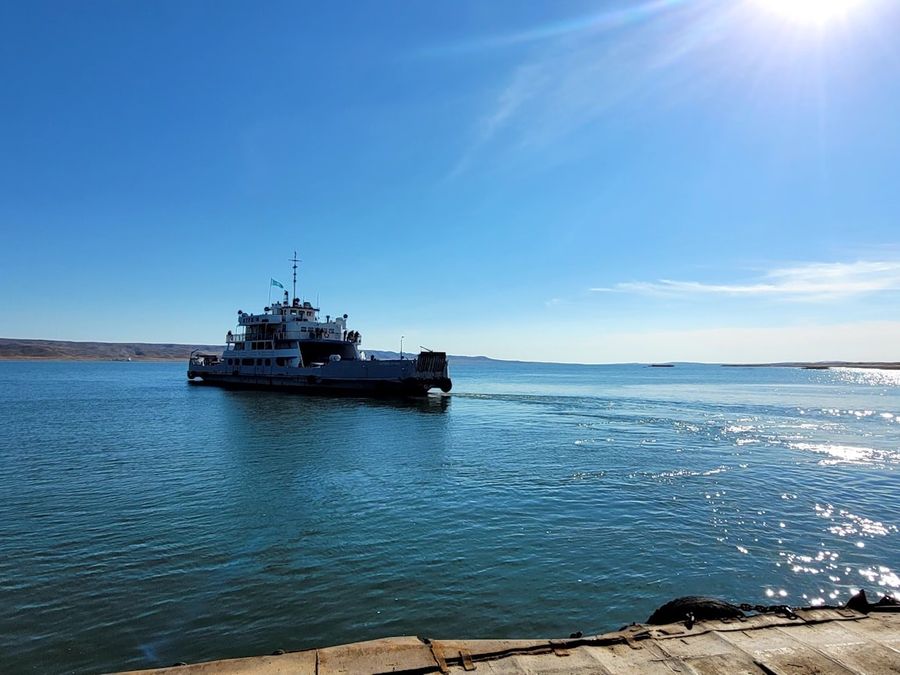
As the last wisps of summer's warmth dissipated, the once-frozen tundra of Siberia began to stir. The snow-capped peaks of the Verkhoyansk Range, where the Irtysh and Ob rivers converge, stood sentinel over the ancient trade route that had lain dormant for decades. The air was alive with the promise of rebirth, as China, Russia, and Kazakhstan breathed new life into a centuries-old waterway that had once witnessed the grandeur of the Soviet era. The revival of this forgotten pathway was a masterstroke of geopolitics, aimed at unlocking the vast economic potential of the Arctic region and rewriting the rules of global trade. The stakes were high, with China's insatiable appetite for resources and Russia's quest for economic revival hanging precariously in the balance.
At the heart of this ambitious plan lay the Irtysh and Ob rivers, two mighty waterways that had borne witness to the ebbs and flows of history. The Irtysh, the longest river in Western Siberia, had once played host to the Soviet Union's vaunted "Northern Sea Route," a trade artery that had stretched from the Pacific to the Arctic Ocean, ferrying goods worth 9 million tons annually. The Ob, with its storied past as a hub of commerce and culture, had been the lifeblood of the region, supporting a thriving economy that had flourished under the Soviet regime. The revival of this waterway was a testament to the enduring legacy of the Soviet era, as China, Russia, and Kazakhstan sought to tap into the region's vast economic potential and stake their claim to the Arctic's vast resources.
The revival of the Irtysh-Ob trade route was not merely a nostalgic exercise, but a calculated move by China to expand its economic influence in the region. As the world's second-largest economy, China had long been seeking new avenues to secure the resources it needed to sustain its growth. The Arctic, with its vast reserves of oil, gas, and minerals, had become a tantalizing prospect, and China was determined to be at the forefront of the region's economic development. By leveraging the Irtysh-Ob waterway, China aimed to establish a foothold in the Arctic, facilitating the transportation of goods and resources between Europe and Asia, and cementing its position as a major player in the region.
Russia, too, stood to gain significantly from the revival of the Irtysh-Ob trade route. As the world's largest country by landmass, Russia had long been aware of the strategic importance of the Arctic region, and had been actively promoting its economic development. The revival of the Irtysh-Ob waterway offered Russia a unique opportunity to capitalize on its vast natural resources, and to establish itself as a key player in the region's economic development. By partnering with China and Kazakhstan, Russia aimed to create a formidable economic bloc, one that would enable it to compete with the likes of the European Union and the United States.
Kazakhstan, too, had a significant stake in the revival of the Irtysh-Ob trade route. As a key player in the region, Kazakhstan had long been seeking to expand its economic influence, and the revival of the waterway offered it a unique opportunity to do so. By partnering with China and Russia, Kazakhstan aimed to establish itself as a major hub of commerce and trade, and to capitalize on its vast natural resources. The revival of the Irtysh-Ob waterway was a testament to the enduring spirit of cooperation that had long characterized the region, as China, Russia, and Kazakhstan worked together to unlock the vast economic potential of the Arctic.
As the snows of winter began to melt, the Irtysh-Ob waterway began to stir once more. The sound of drilling and excavation echoed through the tundra, as Chinese, Russian, and Kazakh engineers worked tirelessly to revamp the ancient trade route. The stakes were high, with the revival of the waterway set to unlock the vast economic potential of the Arctic region. As the world watched with bated breath, the Irtysh-Ob trade route stood poised on the cusp of a new era, one that would rewrite the rules of global trade and cement the position of China, Russia, and Kazakhstan as the dominant players in the Arctic.
The revival of the Irtysh-Ob trade route was not merely an economic imperative, but a testament to the enduring power of human ingenuity. As the world struggled to adapt to the challenges of a rapidly changing climate, the revival of the waterway offered a glimmer of hope, a reminder that even the most seemingly insurmountable challenges could be overcome through determination and cooperation. As the snows of winter began to melt, the Irtysh-Ob trade route stood poised on the cusp of a new era, one that would unlock the vast economic potential of the Arctic region and cement the position of China, Russia, and Kazakhstan as the dominant players in the region.
The revival of the Irtysh-Ob trade route was a story of human resilience, as the people of China, Russia, and Kazakhstan worked tirelessly to revive the ancient waterway. The stakes were high, with the revival of the waterway set to unlock the vast economic potential of the Arctic region. As the world watched with bated breath, the Irtysh-Ob trade route stood poised on the cusp of a new era, one that would rewrite the rules of global trade and cement the position of China, Russia, and Kazakhstan as the dominant players in the Arctic.
The revival of the Irtysh-Ob trade route was a testament to the enduring legacy of the Soviet era, as China, Russia, and Kazakhstan sought to tap into the region's vast economic potential. The revival of the waterway was a calculated move by China to expand its economic influence in the region, and by Russia to capitalize on its vast natural resources. Kazakhstan, too, had a significant stake in the revival of the Irtysh-Ob trade route, and was working tirelessly to establish itself as a major hub of commerce and trade.
The revival of the Irtysh-Ob trade route was a story of human ingenuity, as the people of China, Russia, and Kazakhstan worked tirelessly to revive the ancient waterway. The stakes were high, with the revival of the waterway set to unlock the vast economic potential of the Arctic region. As the world watched with bated breath, the Irtysh-Ob trade route stood poised on the cusp of a new era, one that would rewrite the rules of global trade and cement the position of China, Russia, and Kazakhstan as the dominant players in the Arctic.
Also Read

पॉलिटेक्निक छात्रों ने संसदीय प्रस्ताव के विरोध में गो 97 को तुरंत वापस लेने की मांग की
पाटनचेरू के सरकारी पॉलिटेक्निक के छात्रों ने GO Ms No. 97 के खिलाफ विरोध प्रदर्शन किया, जिसमें यंग इंडिया स्किल्स यूनिवर्सिटी के साथ सरकारी पॉलिटेक्निकों के एकीकरण की योजना शामिल है। उन्होंने अपने मौजूदा शैक्षणिक प्रणाली, एसबीटीईटी ढांचे और डिप्लोमा छात्रों के शैक्षिक और करियर अवसरों की सुरक्षा की मांग
---
The revival of the Irtysh-Ob trade route had sent shockwaves throughout the global economic community, with many hailing it as a masterstroke of geopolitics. The implications of this development were far-reaching, with the revival of the waterway set to unlock the vast economic potential of the Arctic region. As China, Russia, and Kazakhstan looked to capitalize on this new economic artery, the world watched with bated breath, eager to see how this development would shape the future of global trade.
One of the most significant implications of the revival of the Irtysh-Ob trade route was its impact on the global balance of power. As China, Russia, and Kazakhstan established themselves as the dominant players in the Arctic, the likes of the European Union and the United States were forced to reassess their own economic strategies. The revival of the waterway had created a new economic reality, one in which the rules of global trade were being rewritten on the fly.
The revival of the Irtysh-Ob trade route had also sent shockwaves throughout the global environmental community, with many hailing it as a major victory for sustainable development. The waterway was set to unlock the vast economic potential of the Arctic region, while also providing a sustainable alternative to traditional transportation methods. As the world watched with bated breath, the Irtysh-Ob trade route stood poised on the cusp of a new era, one that would rewrite the rules of global trade and cement the position of China, Russia, and Kazakhstan as the dominant players in the Arctic.
The revival of the Irtysh-Ob trade route had significant implications for the global economy, with many hailing it as a major driver of growth. The waterway was set to unlock the vast economic potential of the Arctic region, providing a new economic artery for the likes of China, Russia, and Kazakhstan. As the world watched with bated breath, the Irtysh-Ob trade route stood poised on the cusp of a new era, one that would rewrite the rules of global trade and cement the position of China, Russia, and Kazakhstan as the dominant players in the Arctic.
The revival of the Irtysh-Ob trade route had also sent shockwaves throughout the global diplomatic community, with many hailing it as a major breakthrough in international cooperation. The waterway was set to unlock the vast economic potential of the Arctic region, while also providing a new platform for international cooperation. As the world watched with bated breath, the Irtysh-Ob trade route stood poised on the cusp of a new era, one that would rewrite the rules of global trade and cement the position of China, Russia, and Kazakhstan as the dominant players in the Arctic.
The revival of the Irtysh-Ob trade route had significant implications for the global energy market, with many hailing it as a major driver of growth. The waterway was set to unlock the vast economic potential of the Arctic region, providing a new economic artery for the likes of China, Russia, and Kazakhstan. As the world watched with bated breath, the Irtysh-Ob trade route stood poised on the cusp of a new era, one that would rewrite the rules of global trade and cement the position of China, Russia, and Kazakhstan as the dominant players in the Arctic.
The revival of the Irtysh-Ob trade route had sent shockwaves throughout the global business community, with many hailing it as a major opportunity for growth. The waterway was set to unlock the vast economic potential of the Arctic region, providing a new economic artery for the likes of China, Russia, and Kazakhstan. As the world watched with bated breath, the Irtysh-Ob trade route stood poised on the cusp of a new era, one that would rewrite the rules of global trade and cement the position of China, Russia, and Kazakhstan as the dominant players in the Arctic.
The revival of the Irtysh-Ob trade route had significant implications for the global environment, with many hailing it as a major victory for sustainable development. The waterway was set to unlock the vast economic potential of the Arctic region, while also providing a sustainable alternative to traditional transportation methods. As the world watched with bated breath, the Irtysh-Ob trade route stood poised on the cusp of a new era, one that would rewrite the rules of global trade and cement the position of China, Russia, and Kazakhstan as the dominant players in the Arctic.
The revival of the Irtysh-Ob trade route had sent shockwaves throughout the global economic community, with many hailing it as a masterstroke of geopolitics. The implications of this development were far-reaching, with the revival of the waterway set to unlock the vast economic potential of the Arctic region. As China, Russia, and Kazakhstan looked to capitalize on this new economic artery, the world watched with bated breath, eager to see how this development would shape the future of global trade.