Merz calls for CDU-CSU unity against Russian and extremist threats
The Chancellor linked economic reform to social stability during the closing of the CSU conference in Munich. The speech emphasized that structural changes are essential for maintaining the nation's social cohesion.
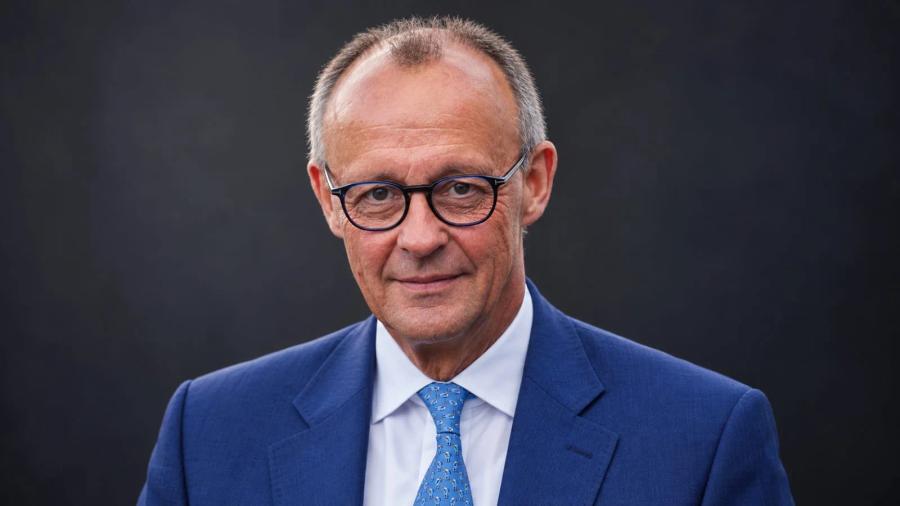
Friedrich Merz, the leader of the Christian Democratic Union, has issued a stirring call for absolute unity between the CDU and the CSU as Germany faces a volatile geopolitical landscape. Speaking at the closing ceremony of the CSU conference in Munich, Merz addressed a packed hall by emphasizing that the internal cohesion of the Union is the primary defense against mounting external and internal pressures. He argued that the necessity for structural economic reform is not merely a fiscal requirement but a fundamental prerequisite for maintaining social stability. By linking economic vitality directly to the preservation of the German social fabric, Merz signaled that the conservative bloc must present a unified front to remain relevant while navigating the complexities of a shifting European political environment.
The background of this urgency stems from a period of profound transition for Germany’s largest economy. For decades, the German model relied on cheap energy and stable global trade routes, both of which have been disrupted by the Russian invasion of Ukraine. Merz’s rhetoric highlights a growing concern regarding the threats posed by Moscow, which continue to destabilize European security and energy markets. Furthermore, he warned of the rise of extremist movements within Germany itself, which he suggests exploit economic anxieties to undermine the democratic order. The message was clear: if the CDU-CSU fails to modernize the economy and address structural weaknesses, the resulting social fragmentation could provide fertile ground for radical political shifts.
The impact of this speech is significant as it sets the tone for the Union’s strategy heading into future national elections. By framing economic reform as a matter of national security, Merz is positioning the party as the decisive force capable of protecting Germany from long-term stagnation. This approach aims to reassure voters and allies alike that the Union is prepared to make the difficult choices necessary to safeguard the status quo. As Germany grapples with deindustrialization fears, Merz’s emphasis on unity serves as a directive to his party members to set aside ideological differences in favor of a cohesive vision for the nation’s future.
Also Read
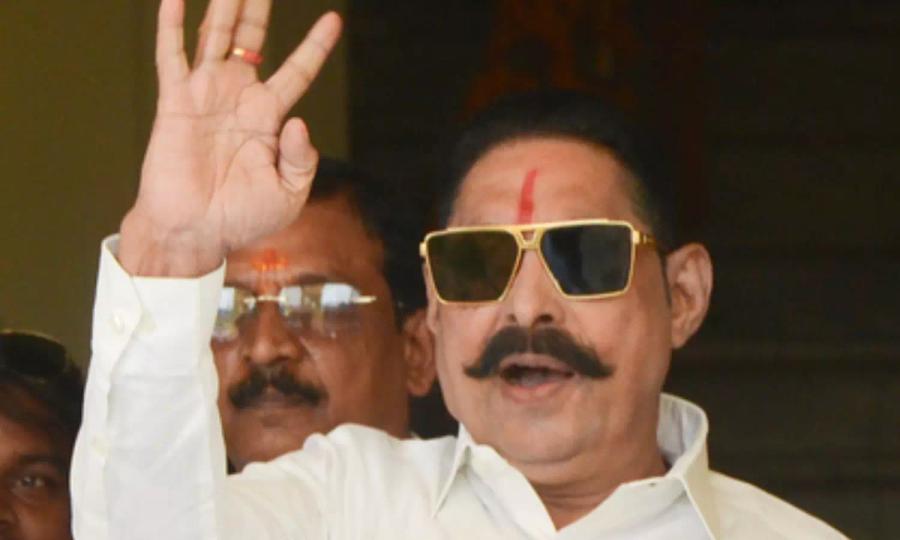
बिहार में बड़ा उलट: अनंत सिंह और पत्नी 6 साल के लिए पार्टी से बाहरसित
बिहार विधान परिषद चुनावों में विरोधी गतिविधियों के आरोप में विधायक अनंत सिंह और उनकी पत्नी नीलम देवी को जेडीयू से निकाल दिया गया है। यह कार्रवाई छह वर्षों तक प्रभावी रहेगी।
The significance of Friedrich Merz’s call for unity lies in the strategic positioning of the Union as it navigates a period of intense political fragmentation in Germany. By linking economic reform directly to social stability, Merz is acknowledging that the traditional German model is under unprecedented pressure from deindustrialization and demographic shifts. This rhetoric signals a move away from purely fiscal conservatism toward a more holistic approach that seeks to prevent the alienation of the working class to populist far-right movements. If the CDU-CSU can successfully integrate these social concerns, it could consolidate its position as the only viable alternative to the current governing coalition, potentially bridging the gap between its conservative wing and the more socially conscious-leaning voters.
The possible impact of this stance will be felt across the European Union’s geopolitical landscape. A unified CDU-CSU would likely project a stronger front in Brussels, particularly regarding Germany’s role in European security and its de-coupling from Russian energy. However, the warning about Russian and internal extremist threats suggests a pivot toward a more hawkish security policy. This could lead to an accelerated increase in defense spending and a more assertive stance on internal security, which may strain relations with trade partners in Eurasia. Domestically, the focus on structural change could force a national debate on the future of the German manufacturing sector, potentially leading to labor market reforms aimed at maintaining global competitiveness.
Moving forward, observers must watch how the Union translates these high-level warnings into specific policy platforms that do not fracture their base. A key metric will be whether Merz can maintain the alliance between the CSU’s regional interests in Bavaria and the national strategy of the CDU. Furthermore, the reaction of the current government to these warnings of social instability will determine if the political climate moves toward early elections. Monitoring the Union’s ability to address the rising influence of extremist parties will also be the ultimate test of whether Merz’s vision of a stable, reformed center can resonate with an increasingly polarized electorate.