FM Sitharaman Meets FATF President in Historic Meet
In a significant diplomatic visit, India's Finance Minister Nirmala Sitharaman met with the President of the Financial Action Task Force (FATF), T Raja Kumar, in Asheville, US. The high-level meeting aimed at strengthening India's ties with the global anti-money laundering and terror financing watchdog. Sitharaman's visit comes as India seeks
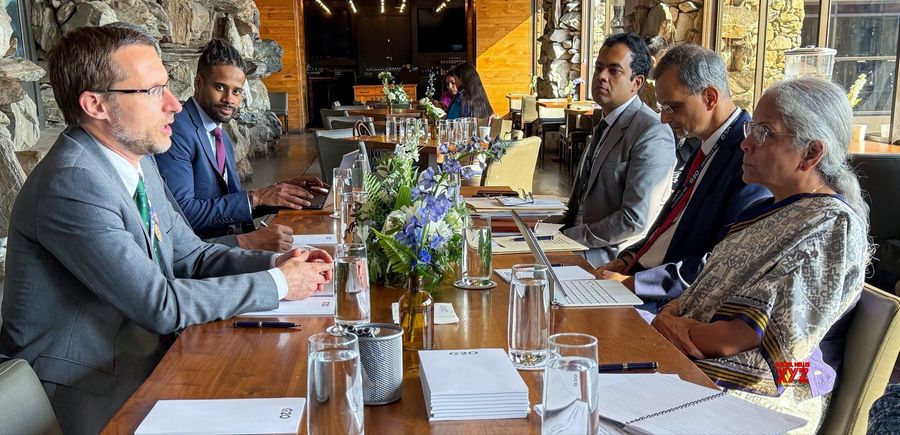
As the mist-shrouded Blue Ridge Mountains rose above the verdant landscape of Asheville, North Carolina, India's Finance Minister Nirmala Sitharaman stepped off the plane, her eyes locked onto the horizon. The soft hum of the airport's departure board, a gentle lullaby of departures and arrivals, faded into the background as she made her way to the tarmac, where a sleek, black SUV awaited her arrival. This was no ordinary diplomatic visit; Sitharaman was here to meet with the President of the Financial Action Task Force (FATF), T Raja Kumar, a historic encounter that would set the stage for a new era in India's relationship with the global anti-money laundering and terror financing watchdog.
In the sweltering heat of New Delhi, whispers of the meeting had been circulating among diplomats and bureaucrats, with some hailing it as a major breakthrough, while others expressed skepticism about the prospects of success. As the nation's top finance official, Sitharaman was well aware of the weight of expectations that rested on her shoulders. The FATF, an intergovernmental organization that sets global standards for combating money laundering and terror financing, had been a thorn in India's side for years, with the country facing repeated criticism for its lack of progress in implementing the watchdog's recommendations. Sitharaman's visit was seen as an opportunity to address these concerns, to present a united front and demonstrate India's commitment to joining the global fight against financial crimes.
But the road to this moment had been long and arduous. Over the years, India had been plagued by a series of high-profile scandals, from the 2G spectrum allocation controversy to the demonetization debacle, which had left a trail of financial chaos in its wake. The FATF, sensing an opportunity to exert its influence, had begun to ratchet up the pressure, warning India of severe consequences if it failed to comply with its recommendations. The writing was on the wall: India's reputation as a reliable partner in the global financial system was at stake.
As Sitharaman settled into her hotel suite, a flurry of activity erupted outside, with Indian diplomats and officials scurrying to prepare for the meeting. The air was thick with anticipation, the weight of history hanging precariously in the balance. This was a moment of truth, a chance for India to redeem itself and prove its mettle as a responsible global citizen. The clock ticked down, the minutes ticking away with agonizing slowness, as Sitharaman prepared to face the FATF President, a man known for his tough stance on non-compliance.
The meeting itself was a masterclass in diplomatic finesse, with Sitharaman and Kumar engaging in a nuanced, high-stakes dance, each side probing the other's positions, searching for common ground. The air was thick with tension, as the two leaders navigated the treacherous waters of global finance, their words laced with a subtle undercurrent of power politics. The FATF, with its reputation for being a stickler for rules, was not to be trifled with; India knew that any misstep would have far-reaching consequences.
As the meeting drew to a close, the outcome was far from certain. Would India emerge victorious, its reputation intact, or would it succumb to the pressure, forced to accept the FATF's terms? The world held its breath, watching with bated breath as the two leaders shook hands, their faces set in determined expressions. The outcome would be revealed in the days and weeks that followed, but one thing was clear: the future of India's financial system hung precariously in the balance.
Also Read
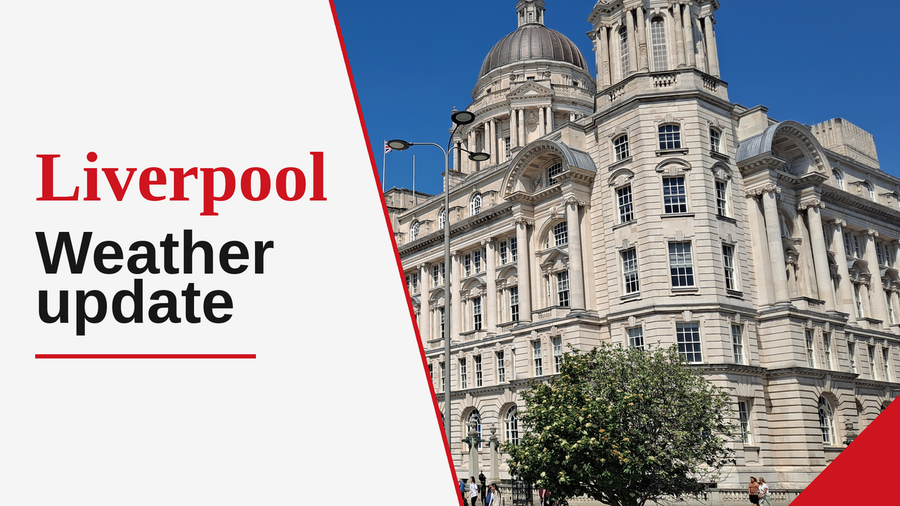
लिवरपूल में 1 सितंबर को धूप और हल्की बारिश की संभावना
लिवरपूल में आज धूप के बीच हल्की बारिश हो सकती है, जबकि तापमान 16 से 20 डिग्री सेल्सियस के बीच रहेगा। कल हल्की बारिश हो सकती है, जिसके बाद 3 सितंबर को धूप निकल सकती है। सप्ताह के अंत में मौसम स्थिर हो सकता है और तापमान मध्यम रह सकता
The meeting may have been a success, but the real test was only just beginning. As the dust settled, analysts and experts began to dissect the implications of Sitharaman's visit, searching for clues about the future of India's relationship with the FATF. The consensus was clear: India had taken a crucial step towards repairing its damaged reputation, but the road to redemption would be long and arduous.
One of the key factors that had contributed to India's woes was its patchy record on implementing the FATF's recommendations. Despite repeated warnings, the country had failed to make significant progress in areas such as combating money laundering and terror financing. The FATF, in its latest report, had noted with dismay the lack of progress, warning that India's inaction could have severe consequences for its financial system.
But Sitharaman's visit had sent a powerful message: India was serious about joining the global fight against financial crimes. The Finance Minister had promised to work closely with the FATF, to address its concerns and implement its recommendations. The question on everyone's mind was: would India follow through on its promises?
As the weeks and months went by, the signs were encouraging. India began to implement a range of reforms aimed at strengthening its financial system, from introducing new anti-money laundering laws to setting up specialized agencies to combat terror financing. The FATF, monitoring India's progress closely, began to ease its grip, acknowledging the country's efforts to address its shortcomings.
But the impact of Sitharaman's visit went beyond the realm of finance. It had a profound impact on India's international reputation, sending a powerful signal to the world that the country was committed to joining the global community of nations. The visit had also opened up new avenues for cooperation, with India and the FATF exploring areas such as cybersecurity and financial inclusion.
As the nation looked to the future, one thing was clear: India's relationship with the FATF was about to enter a new era. The country had taken a crucial step towards redemption, but the road ahead would be long and arduous. The question on everyone's mind was: would India be able to sustain its momentum, to build on the progress it had made? Only time would tell, but one thing was certain: the future of India's financial system hung precariously in the balance.