India's Russian Crude Imports Dip 12% in September Amid Soaring Prices
"India's refining sector is facing a significant slump as imports at major refineries have taken a hit. The Reliance-run Jamnagar refinery witnessed a 27% drop in imports, followed by a 21% decline at Indian Oil Corporation's Paradip and an 8% fall at Nayara Energy's Vadinar. This downturn threatens to disrupt
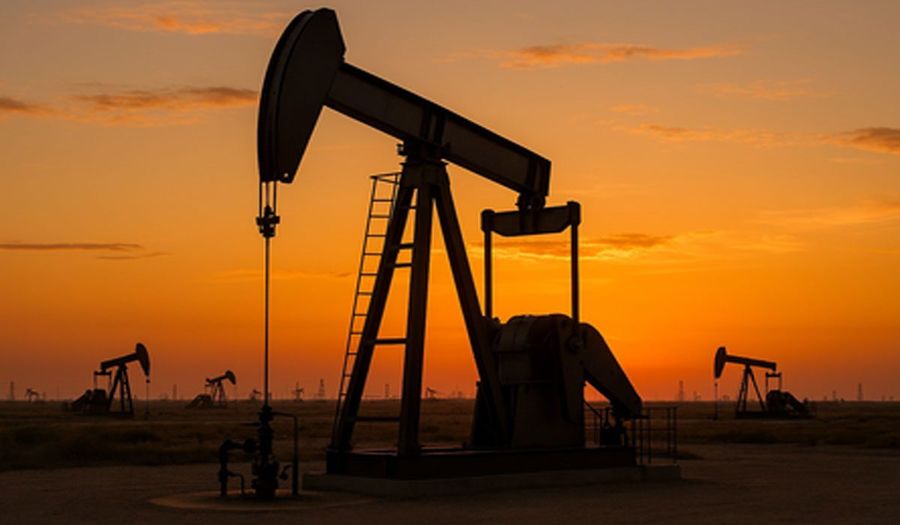
In the sweltering summer of 2022, when crude oil prices skyrocketed to dizzying heights, India's refining sector found itself at a crossroads. The nation, one of the world's largest oil consumers, had long relied on imports to satiate its insatiable thirst for petroleum products. But with the Russia-Ukraine conflict sending global oil prices soaring, India's refining industry faced an existential crisis. And yet, against all odds, the country's refiners had managed to adapt, navigating the choppy waters of a global energy crisis with remarkable resilience. But now, as the calendar flipped to September 2023, a disturbing trend was emerging. India's Russian crude imports, a lifeline for the nation's refining sector, had taken a dramatic dip, plummeting by a staggering 12% in the month. The impact was being felt acutely at some of India's major refineries, with the Reliance-run Jamnagar refinery witnessing a 27% drop in imports, followed by a 21% decline at Indian Oil Corporation's Paradip and an 8% fall at Nayara Energy's Vadinar. As the refining sector struggled to come to terms with this sudden downturn, a perfect storm was brewing, threatening to disrupt the delicate balance of India's energy ecosystem.
Behind the scenes, a complex web of factors was contributing to this downturn. The conflict in Ukraine, which had initially driven up oil prices, was slowly losing steam. But this had also led to a global glut of crude oil, pushing prices down and making Russian crude less competitive in the international market. Meanwhile, the Indian rupee's precipitous decline against the US dollar had made imports even more expensive, further eroding the profitability of Russian crude. As a result, refiners were being forced to re-evaluate their import strategies, with some opting for cheaper, albeit less reliable, alternatives. The impact was being felt acutely at the Jamnagar refinery, where Reliance Industries, India's largest private sector company, had long been a stalwart supporter of Russian crude imports. The refinery, which had once been the nation's largest, had been struggling to maintain its market share in recent years, and the decline in Russian imports had only added to its woes.
But the story didn't end there. The downturn in Russian imports was also having a ripple effect on the Indian oil market, where prices were already under pressure from a global surplus. As the nation's refiners struggled to adjust to the new reality, the specter of shortages and price volatility loomed large, casting a shadow over the nation's energy security. The implications were far-reaching, with potential knock-on effects on the nation's economic growth, inflation, and even its foreign exchange reserves. As the refining sector stumbled, the Indian government was faced with a daunting task - to navigate the treacherous waters of the global energy market, balance competing interests, and ensure that the nation's energy security remained intact.
The clock was ticking, and the stakes were high. As the nation's refiners struggled to adapt to the new reality, the world was watching with bated breath. Would India's refining sector be able to weather the storm, or would the downturn in Russian imports prove to be a fatal blow? Only time would tell, but one thing was certain - the fate of India's energy security hung precariously in the balance.
Also Read

चिकित्सक छात्र के SUV से पीछा किए जाने पर परिवार के साइकिल को मारी गई 40 वर्षीय महिला, पति गंभीर
"एक विश्वविद्यालय के चिकित्सा छात्र की गाड़ी के दुर्घटनाग्रस्त होने की घटना में उनकी पत्नी की मौत हो गई। उनके पति गंभीर रूप से घायल हुए हैं, जबकि उनकी पांच साल की बेटी को हल्की चोटें आई हैं। पुलिस ने चिकित्सा छात्र को गिरफ्तार कर लिया है और मामले की
As the news of the downturn in Russian imports sent shockwaves through the nation's refining sector, a flurry of reactions and opinions began to emerge. Experts and analysts, long-time observers of the Indian energy scene, weighed in with their views on the implications of this development. For some, the decline in Russian imports was a welcome development, a chance for India to reduce its dependence on a single supplier and diversify its energy mix. But for others, the impact was far more nuanced, with potential implications for the nation's energy security, economic growth, and even its foreign policy.
One of the key stakeholders in this drama was the Indian government, which had long been a proponent of diversified energy imports. The government's energy policy, which had been in the works for years, was finally beginning to bear fruit, with India's refining sector slowly but surely moving away from its reliance on Russian crude. But the decline in imports had also raised questions about the nation's energy security, with some experts warning of potential shortages and price volatility.
The market, too, was reacting to the news, with oil prices slumping on the news of the decline in imports. But the impact was being felt across the energy spectrum, with potential knock-on effects on the nation's inflation, economic growth, and even its foreign exchange reserves. As the nation's refiners struggled to adjust to the new reality, the world was watching with bated breath, wondering what the future held for India's energy security.
In the midst of this uncertainty, one thing was certain - the fate of India's refining sector hung precariously in the balance. The nation's refiners, long-time supporters of Russian crude imports, were being forced to re-evaluate their strategies, with some opting for cheaper, albeit less reliable, alternatives. The implications were far-reaching, with potential effects on the nation's energy security, economic growth, and even its foreign policy.
As the nation's energy security hung in the balance, the world was waiting with bated breath to see how India's refining sector would emerge from this crisis. Would the downturn in Russian imports prove to be a fatal blow, or would the nation's refiners be able to adapt and emerge stronger? Only time would tell, but one thing was certain - the fate of India's energy security was at stake.