Kejriwal Residence Features 11 Lakh Chandelier and 2 Lakh Recliner
Delhi Minister Parvesh Verma alleged that former CM Arvind Kejriwal spent Rs 56 crore on the government bungalow, referred to as 'Sheesh Mahal' by the BJP. This claim was made during an interview with NDTV.
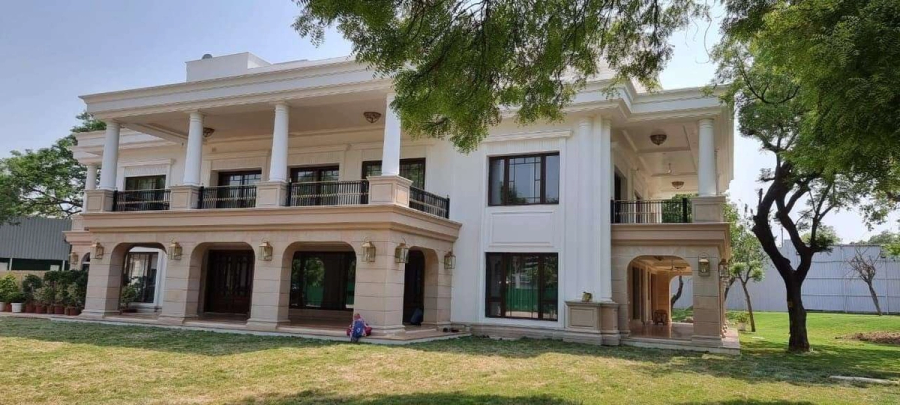
Delhi Minister Parvesh Verma recently brought to light allegations concerning the expenditure on the government bungalow, which the Bharatiya Janata Party has publicly referred to as 'Sheesh Mahal.' Verma stated in an interview with NDTV that former Chief Minister Arvind Kejriwal was responsible for spending a total of Rs 56 crore on the construction and embellishment of this official residence. This disclosure has reignited political debate regarding the financial outlay associated with high-profile government assets in the capital.
The context of this claim is rooted in ongoing political scrutiny of the Delhi government’s administrative spending. While the BJP has used the moniker 'Sheesh Mahal' to question the financial prudence of the previous administration, the specific figure of Rs 56 crore cited by Verma pertains to the bungalow's development. Such large-scale public expenditure invariably attracts questions from political opponents regarding transparency and necessity, especially when contrasted with public welfare schemes.
The impact of Verma’s statement is immediate, fueling the political narrative surrounding the bungalow. The allegations place the financial responsibility squarely on the former CM's tenure. This development intensifies the political contest in Delhi, moving the focus from policy debates to the financial accountability of past administrations. Further official documentation or audit reports would be necessary to substantiate the precise expenditure claimed by Minister Verma.
Also Read

मंदार किवळे केस: कोर्टासमोर हल्ल्यानंतर महिला वकिलांनी दिला पाठिंबा
कोर्टात हल्ल्यानंतरही मंदार किवळेने जीव वाचवण्याचा प्रयत्न केला. त्याच्या केसमधील महिला वकिलांनी त्याला भावनिक आधार देत धीर दिला.
The reported expenditure of Rs 56 crore on the government bungalow carries significant implications for public trust in governance and fiscal accountability within the Delhi administration. Such large-scale spending on official residences, when juxtaposed against public welfare needs, invites scrutiny regarding resource allocation priorities. The discussion moves beyond mere luxury items like an Rs 11-lakh chandelier or a Rs 2-lakh recliner to question the overall financial prudence governing public assets.
The potential impact lies in the heightened political discourse surrounding transparency. Opposition parties have utilized this claim to question the financial probity of the former administration, while the ruling party has framed the structure as a symbol of administrative legacy, though the specific financial claims remain subjects of political contention rather than established judicial fact. The focus remains on whether the expenditure aligns with established government procurement norms and budgetary approvals for official residences.
Moving forward, the critical developments to monitor involve official documentation. Any detailed audit reports or financial disclosures pertaining to the bungalow’s construction and refurbishment will be crucial in substantiating or refuting the Rs 56 crore figure. Legal or parliamentary inquiries, if initiated based on this allegation, will provide the necessary factual clarity. The next phase requires verifiable financial records rather than political assertions to determine the actual scope and propriety of the investment in the 'Sheesh Mahal'.