Mitchell's spell and pitch conditions lead to India-NZ draw
Mitchell's timely reprieve and a flat pitch prevented a decisive outcome in the India versus New Zealand match. Consequently, the contest ended in a draw.
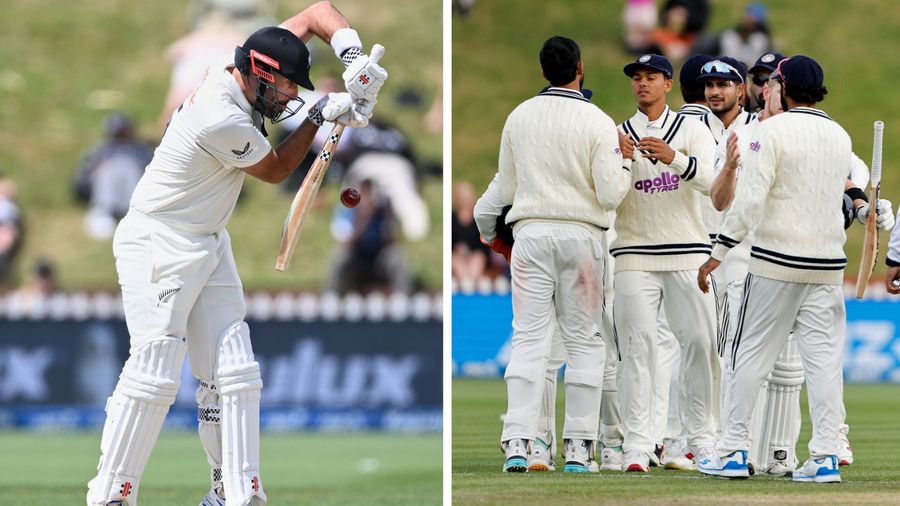
The India versus New Zealand contest concluded in a draw, a result heavily influenced by a crucial reprieve granted to Mitchell and the decidedly flat nature of the pitch at the venue. The match saw both teams engage in a closely fought battle, but the conditions and a single moment of fortune prevented either side from securing a definitive victory.
The background to this fixture involved both teams aiming to solidify their standing in the ongoing series. New Zealand, known for its disciplined approach, presented a challenging batting lineup, while India showcased its depth across the order. The pitch, described by ground staff and commentators alike as dead, offered minimal assistance to the bowlers, leading to prolonged periods of batting dominance rather than sharp turn or seam movement.
Mitchell’s timely reprieve proved pivotal in shaping the final outcome. This single instance altered the momentum of the game, allowing the New Zealand side to consolidate their position when the pressure was mounting. Without this break, the trajectory of the innings might have shifted dramatically, potentially leading to a result in favour of India.
Ultimately, the confluence of a batting-friendly surface and this key moment ensured that the contest remained balanced until the final whistle. The draw means that neither team gains the decisive advantage they were hoping for, setting the stage for future encounters where pitch conditions or tactical shifts could dictate a different narrative.
Also Read
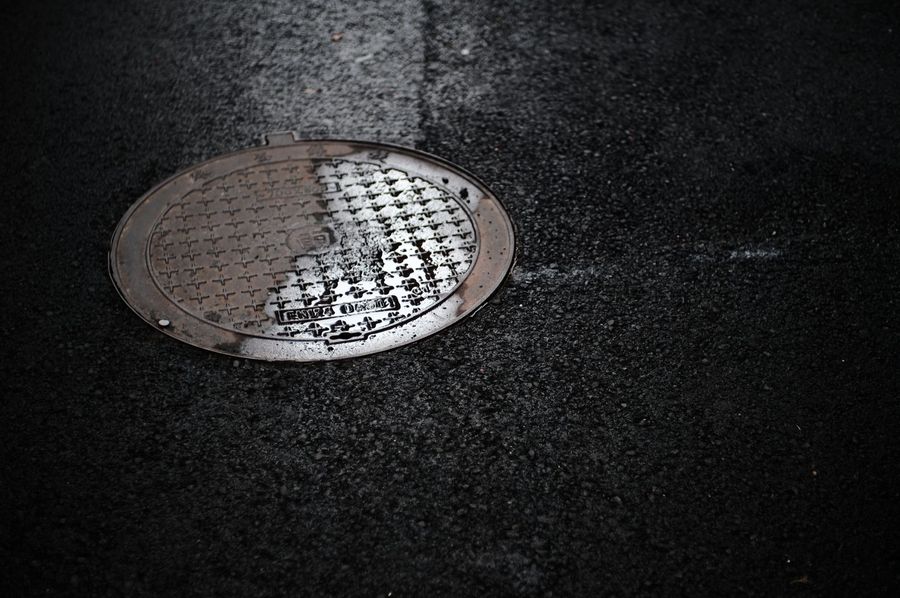
मुंबईतील ४०० उघड्या मॅनहोल झाकण्यासाठी प्रशासनाचा निर्णय
मुंबईतील नागरिकांच्या सुरक्षिततेसाठी ४०० मॅनहोलची झाकणे बदलणार असून, या कामासाठी १ कोटी १० लाख रुपये खर्च अपेक्षित आहे. चोरीच्या ३,३६० घटनांमुळे उघडे पडलेल्या मॅनहोलमुळे होणाऱ्या धोक्याला हा उपाय दिलासा देईल.
The draw resulting from the India versus New Zealand contest underscores the critical role of pitch conditions in determining match outcomes, particularly in limited-overs formats. A flat, unresponsive pitch neutralized the potential for high-scoring action or decisive batting collapses, effectively leveling the playing field despite the contrasting skill sets of the two sides. Mitchell's timely intervention, which prevented a more definitive result, highlights moments of crucial individual contribution when overall match momentum is stalled by environmental factors rather than tactical execution alone.
The possible impact of this draw extends beyond the immediate standings. For both teams, it offers a chance to regroup without the pressure of a definitive result, allowing for tactical adjustments ahead of future fixtures. For India, the inability to convert promising performances into a victory suggests areas needing refinement in high-pressure scenarios. For New Zealand, the draw maintains their competitive standing without the risk associated with a loss, providing stability in their campaign trajectory.
What to watch next involves how both sides adapt to varied playing surfaces. Future matches against different opposition or on pitches offering more assistance to bowlers will be key indicators of their true form. Furthermore, the consistency of individual performers, such as Mitchell, in crucial moments, will be closely monitored as they face varied bowling attacks. The next set of fixtures will test whether the current stalemate was due to pitch neutrality or underlying tactical limitations within either squad.