Tata Trusts to challenge N Chandrasekaran's reappointment in court
Tata Trusts has filed a petition in the Bombay High Court challenging N Chandrasekaran's reappointment as Tata Sons chairman. This legal action marks a significant boardroom dispute within the Tata Group.
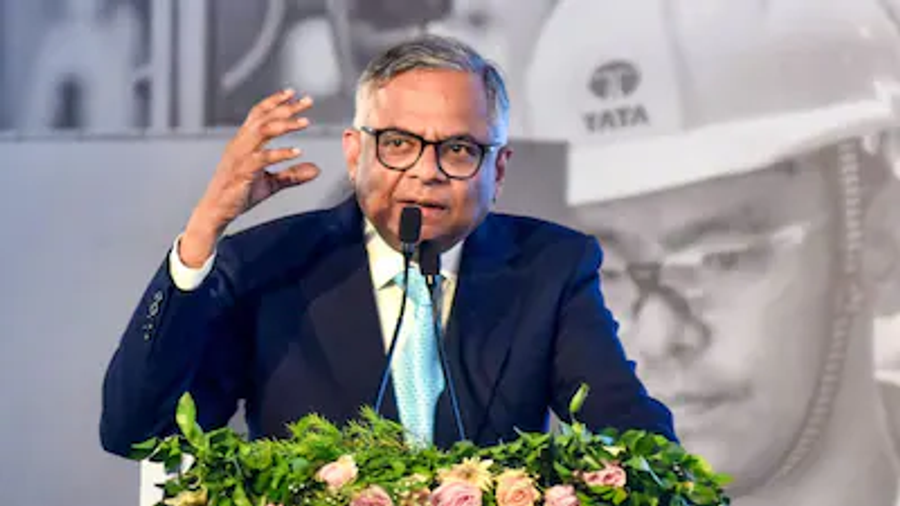
The Tata Trusts have formally approached the Bombay High Court, filing a petition that directly challenges the recent reappointment of N Chandrasekaran as the chairman of Tata Sons. This legal maneuver signals a substantial and high-stakes boardroom dispute unfolding within the venerable Tata Group, a conglomerate with deep roots in India's industrial history. The action by the Trusts raises questions regarding the governance structure and the authority underpinning the chairmanship of the holding company.
The background to this contention lies in the complex ownership and governance framework of the Tata Group, where the Tata Trusts hold a majority stake in Tata Sons, the ultimate holding entity. The Trusts, which manage the philanthropic interests of the group, have historically maintained a significant influence over key leadership appointments. The challenge brought to the court suggests a disagreement over the process or the validity of the reappointment, moving the internal corporate disagreement into the judicial arena.
The implications of this court challenge extend far beyond the immediate leadership of Tata Sons. The Tata Group is not merely a collection of companies; it is an economic pillar interwoven with India's industrial landscape, spanning sectors from automotive and steel to hospitality and technology. Any significant governance instability or prolonged legal battle within the holding company could impact investor confidence and the strategic direction of its diverse subsidiaries.
This petition places the intricate balance of power between the controlling philanthropic trusts and the executive leadership under judicial scrutiny. The outcome of the Bombay High Court proceedings will not only resolve the immediate dispute over N Chandrasekaran’s tenure but will also set a significant precedent for corporate governance practices within large, trust-governed Indian conglomerates moving forward.
Also Read

पुणे कोर्टाबाहेरील हल्ल्यात मंदार किवळेंचा जबाब; शुभम दादा खुनाचा बदला घेतला
पुणे कोर्टाबाहेर हल्ल्याप्रकरणी मंदार किवळेंचा जबाब पोलिसांनी नोंदवला आहे. हल्लेखोरांनी शुभम दादाच्या खुनाचा बदला घेतल्याचे सांगत कोयत्याने वार केले, असे जबाबात नमूद आहे.
This legal challenge by Tata Trusts carries significant weight, not merely as an internal corporate disagreement but as a marker of governance dynamics within one of India's most respected conglomerates. The involvement of Tata Trusts, which holds substantial stakes in Tata Sons, underscores that the dispute touches upon the foundational trust-based structure of the group, rather than purely commercial interests. The outcome of this Bombay High Court petition will set a precedent regarding the appointment and tenure of key leadership within Tata Sons, impacting how governance structures are interpreted across large, family-influenced Indian corporations.
The possible impact extends beyond the immediate chairmanship. If the court sides with Tata Trusts, it could necessitate a review of the existing appointment protocols for the Tata Sons chairman, potentially leading to structural amendments within the group's governance framework. Conversely, if the reappointment is upheld, it would affirm the existing board decisions and the established lines of authority. Stakeholders across the Tata ecosystem, including subsidiary companies and associated entities, will be closely watching how this ruling stabilizes or alters the operational trajectory of the entire group.
Moving forward, the immediate focus remains on the judicial proceedings in the Bombay High Court. Observers will track the court's timeline for hearing the petition and the arguments presented by both Tata Trusts and the relevant parties supporting the reappointment. Furthermore, the subsequent steps taken by the Tata Group leadership, irrespective of the court's initial decision, will be crucial. Any formal communication or board resolution following the legal intervention will provide clearer insight into the path the Tata Group intends to take regarding its apex leadership.